
Search
Latest Stories




Newsletter Sign-Up
Newsletter

They say that every cloud has a silver lining, and when it comes to diabetes, the positive side is that many of the lifestyle habits needed to control the blood sugar disorder are common-sense healthy behaviors that you probably already know a lot about. To help keep blood sugar and insulin levels under control, two major components of diabetes management are diet and exercise.
Ensuring that your partner or loved one eats a proper diet and gets plenty of exercise may not be as easy as tracking your own healthy habits. But there are some things you can do to encourage these behaviors when you are caring for someone with diabetes.
One very easy way to help the person avoid the sugary snacks and refined carbohydrates—which wreak havoc on blood glucose levels—is to simply not keep them in the house. Yes, that means that you may have to save purchasing your favorite desserts for special occasions, but it also means fewer temptations for your loved one with diabetes.
Conversely, you can pack your refrigerator and cupboards with nutrient- and protein-rich foods to support cardiovascular wellness and muscle function. Strong muscles metabolize glucose efficiently, which is especially important for someone with diabetes. Keep hard-boiled eggs, cooked chicken, bean salad, hummus, cheese and tuna or chicken salad in the fridge for quick and filling meals. A variety of nuts provide quick, healthy snacks. These foods lessen the temptation to get fast food or munch on unhealthy snacks.
Seafood is also highly recommended for people with diabetes because of its high protein and omega-3 fatty acid content, which has been shown to benefit the heart and the brain.
Regular exercise is important to help people with diabetes maintain overall wellness. Stronger muscles mean better blood sugar control, and aerobic activity leads to a well-functioning cardiovascular system. Consult with your partner or loved one's health care provider about the appropriate amount of exercise.
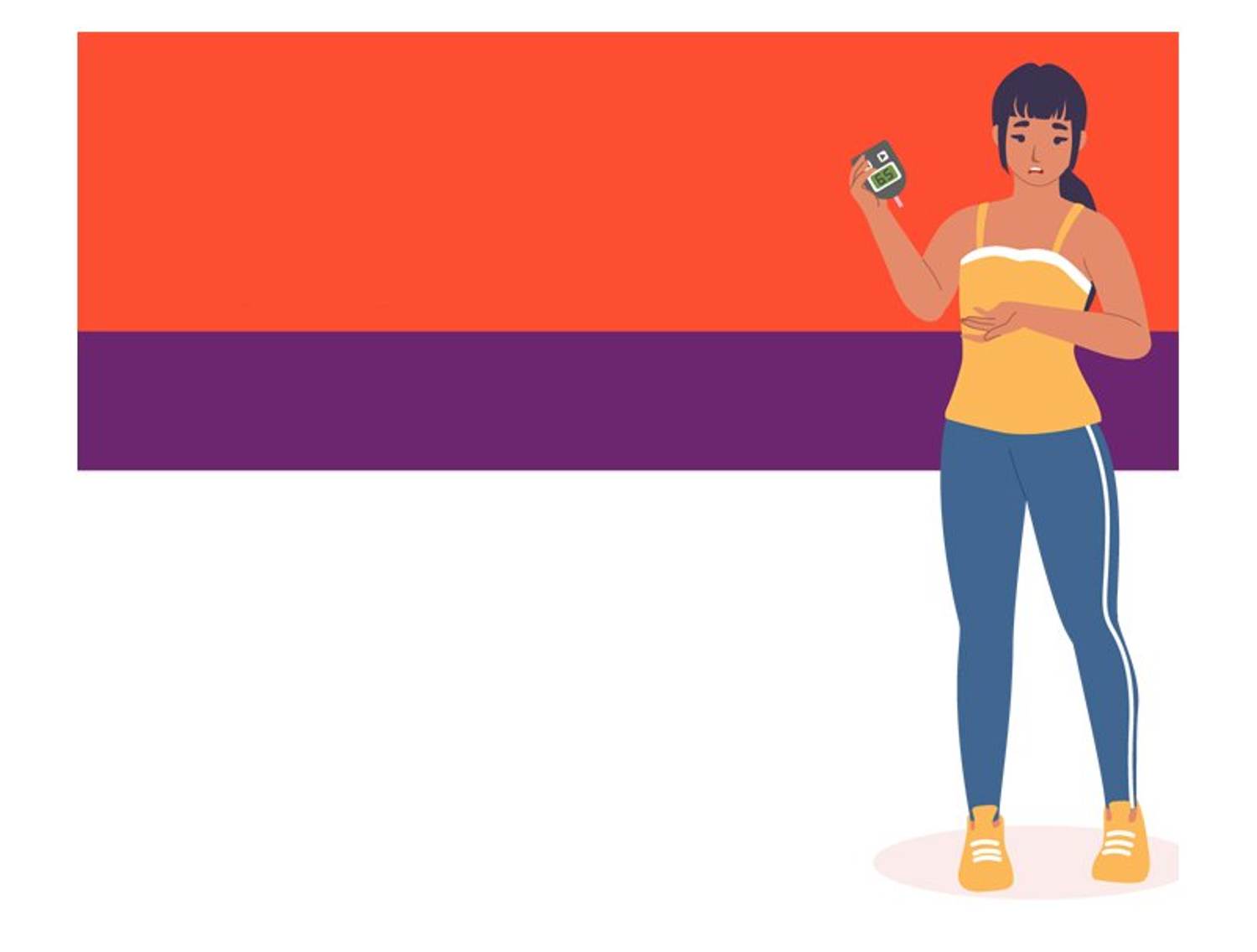
Be aware that balancing carbohydrate intake can be a little tricky for someone with diabetes, especially if they are on blood sugar-lowering medication or insulin. Hypoglycemia—or low blood sugar—can set in if someone who has diabetes exercises strenuously and has not had enough carbohydrates. Healthy carbs to consume before and after a workout include fruit, milk and starchy grains or vegetables. Consult your loved one's health care professional about how often to check blood sugar levels when exercising.
It may be a good idea to keep glucose tablets or some other fast-acting carbohydrate in case blood sugar gets too low during exercise sessions.






Stories We Love
1
2
3

Autoimmune Disease & Women
Apr 08, 2025
4

The Skinny on Microdosing GLP-1 Drugs
Mar 06, 2025
5
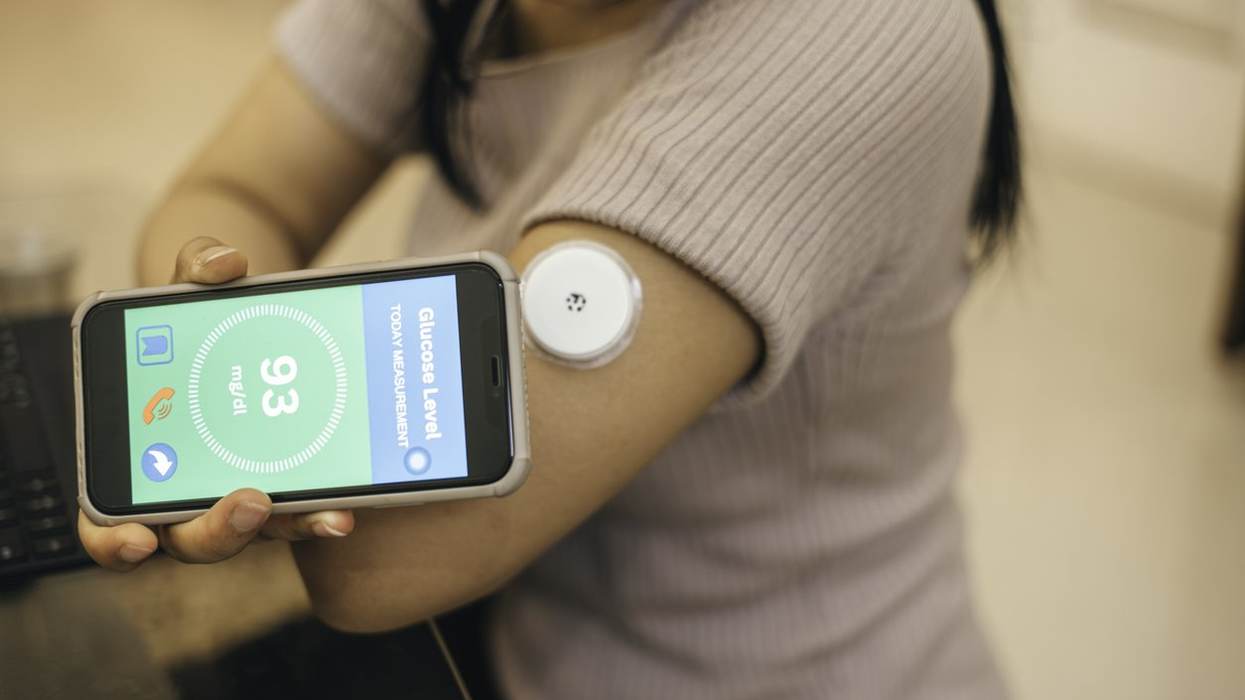
Continuous Glucose Monitors Go OTC
Dec 11, 2024
6

WomenTalk: The Link Between Diabetes and Your Heart
Nov 20, 2024
Support Our Mission
Keep Trusted Women’s Health Information Free
Your donation ensures every woman continues to have access to credible health content.
More Stories






Everything you need to know about women’s health — in one place.