

Search
Latest Stories

Newsletter Sign-Up
Newsletter

Visit our Brain Health Hub.
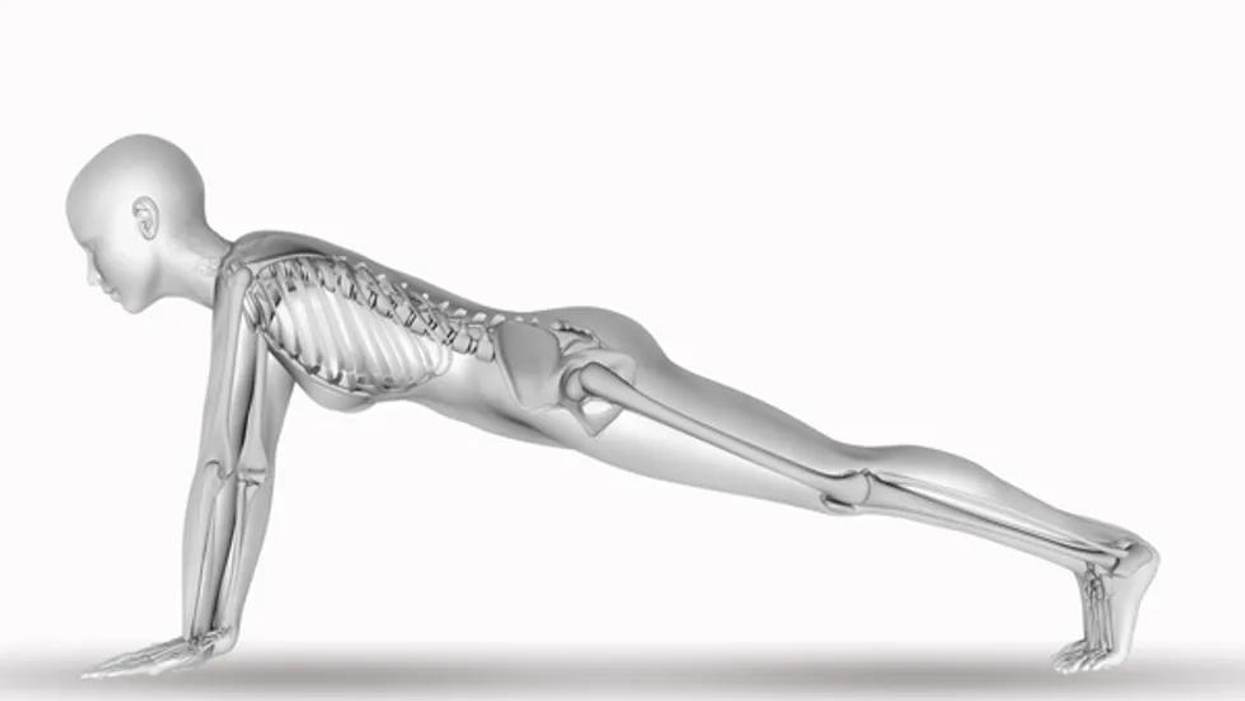
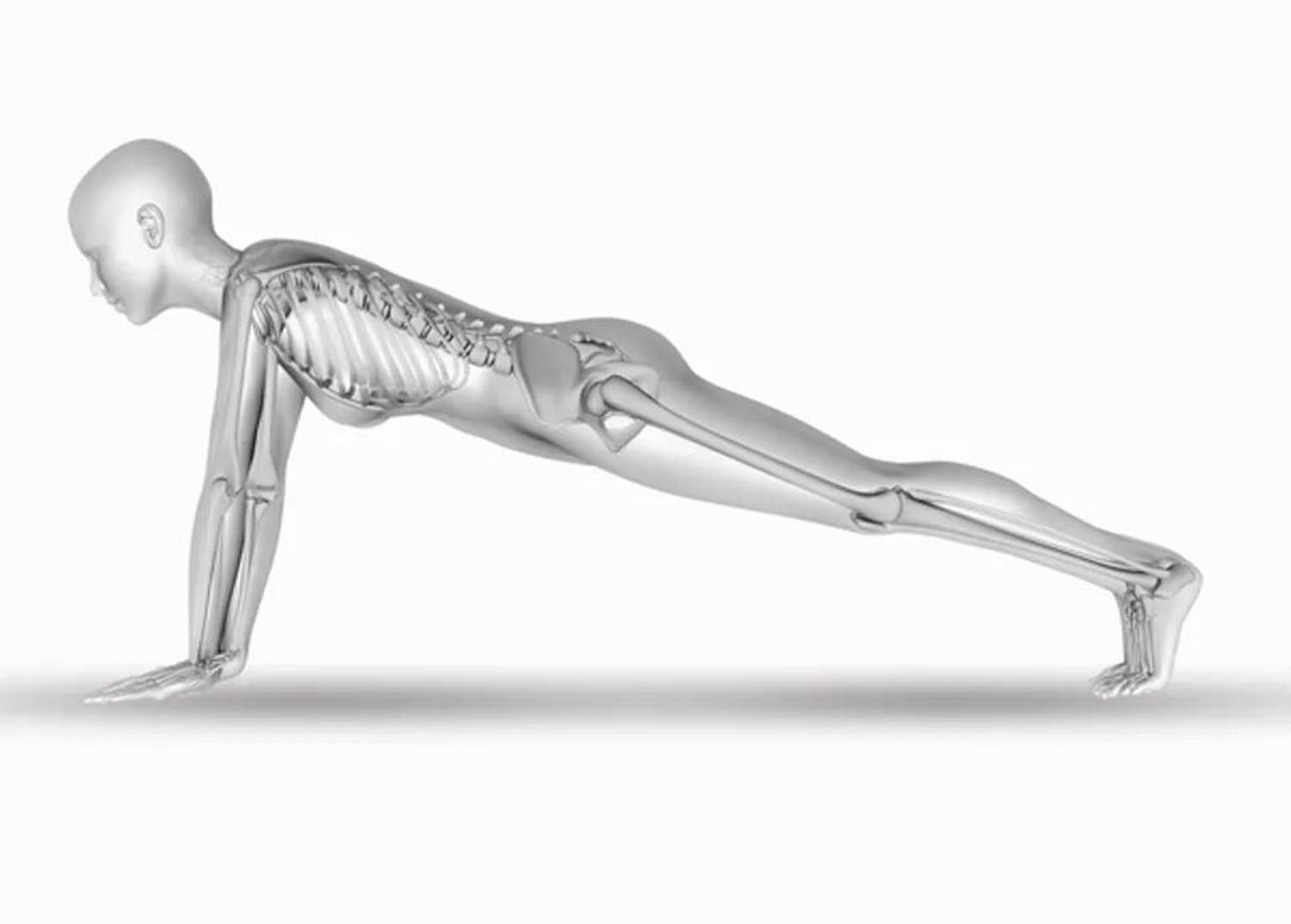
Your exercise routine might focus on boosting heart health, maintaining a healthy weight, or strengthening muscles and bones. But what about the fitness needs of your body's all-important command center — your brain?Although this is a topic people don’t often think about until they’re older, it's important to keep your brain healthy and strong no matter your age.Physical activity is a good first step, since exercise — even just walking — increases blood circulation, brings more oxygen to your brain and increases brain cell growth. All these brain-boosting benefits of exercise continue as we age. Research shows that even a modest increase in physical activity during midlife can slow aspects of cognitive decline, particularly processing speed. And it’s never too late to start. One study showed that regular exercise later in life (after 64) may help lower the risk for dementia, including Alzheimer's disease, by 45%.
The power of brain-boosting exercise
What’s good for the body is good for the brain, but your brain needs mental exercise too. Cognitive training in memory, reasoning or speed of processing information can improve those skills and reduce the risk for Alzheimer’s disease. A 2026 landmark study found adults 65 and older who completed five to six weeks of cognitive speed training were less likely to be diagnosed with dementia, including Alzheimer's disease, 20 years later compared to participants who didn’t have the training. It's unclear whether mental exercise can prevent dementia or Alzheimer's disease, since genetics and other health factors play a role, but there is evidence to suggest that keeping your brain active may help.
Read: 10 Fun Activities to Keep Your Brain Sharp >>
Instead of vegging out in front of the TV or scrolling social media, try these fun activities to give your brain a workout:
- Learn something new by taking an adult education class, attending lectures at your local library or community group or picking up a hobby you've never tried.
- Build logic and reasoning with engaging Sudoku puzzles, which use numbers similarly to how crossword puzzles use letters.
- Read every day, from a wide variety of sources.
- Challenge what your brain is used to doing by switching hands when you do things like brush your teeth or use a computer mouse. Keep your eyes closed while dressing.
- Play word and card games, which strengthen thinking and memory skills.







Stories We Love
1

Keep Your Brain Healthy at Every Age
May 12, 2021
2
10 Fun Activities to Keep Your Brain Sharp
Jun 07, 2023
3
True or False: Alzheimer’s Disease
Apr 28, 2026
4
Your Brain on a Hot Flash
Apr 21, 2026
5

You Don’t Need to Suffer Through Hot Flashes
Apr 21, 2026
6

Support Our Mission
Keep Trusted Women’s Health Information Free
Your donation ensures every woman continues to have access to credible health content.
More Stories








Everything you need to know about women’s health — in one place.