
Search
Latest Stories




Newsletter Sign-Up
Newsletter

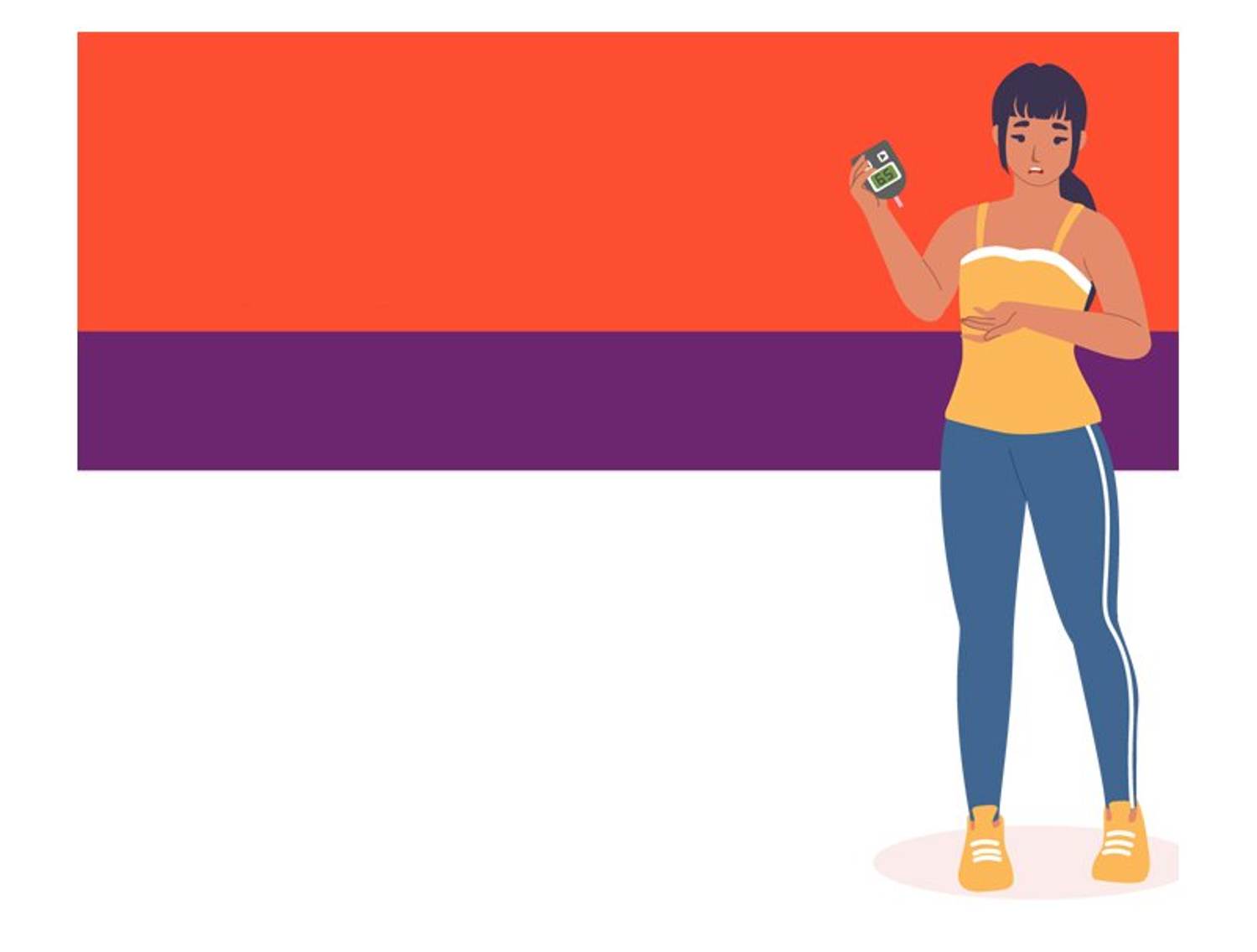
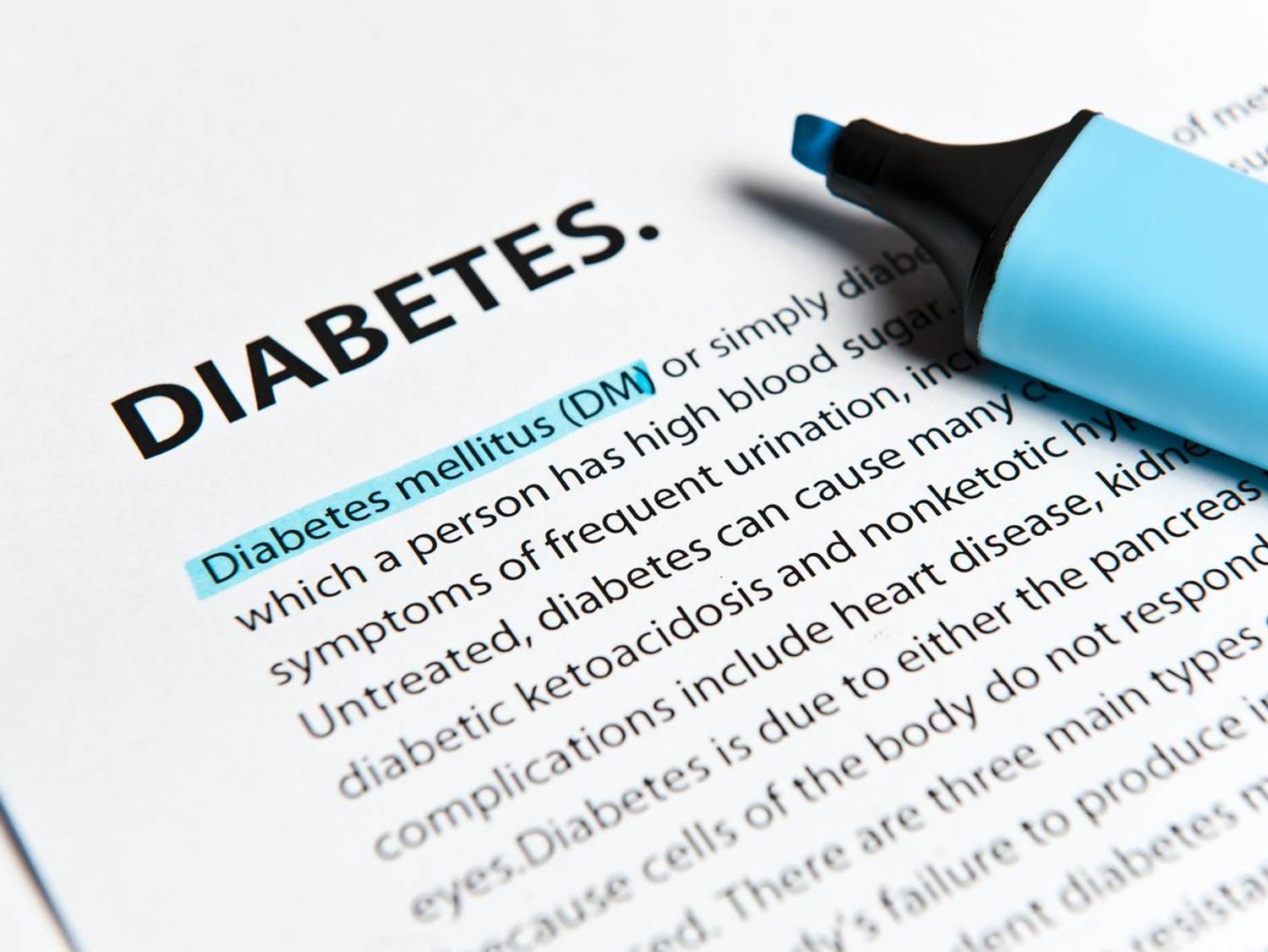
More than 10 percent of U.S. women over the age of 20 have diabetes, and many of these cases are undiagnosed, according to the American Diabetes Association. Having diabetes not only affects the way you live your day-to-day life but can increase your risks for a number of other health conditions, especially if it goes untreated.
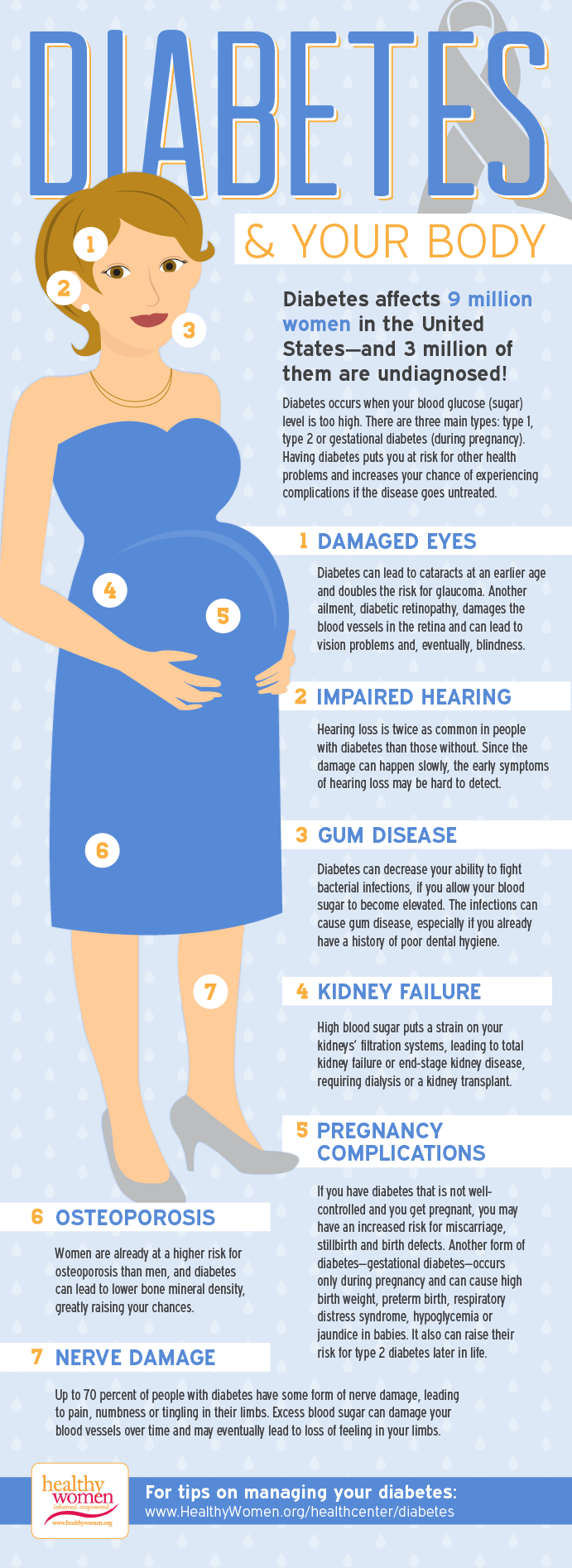
There are three main types of diabetes—type 1, type 2 and gestational—and each can affect your body in different ways and may require different treatments. Here's some basic information about each one.
Type 1
Type 1 diabetes, sometimes called insulin-dependent diabetes and previously known as juvenile diabetes, is a condition in which the pancreas doesn't produce enough—or any—insulin. Insulin is a hormone that your body needs to let sugar (glucose) into your cells to produce energy. Type 1 diabetes usually develops during childhood or adolescence, but it can occur in adults. If you notice that you feel very thirsty, urinate frequently, feel extremely hungry, are losing weight, feel fatigued or experience blurred vision, talk to your health care provider. These can all be symptoms of diabetes. If you have type 1 diabetes, you will need insulin therapy.
Type 2
Type 2 diabetes is the most common form of diabetes. In this type, your body doesn't make enough insulin or doesn't use it properly. Initially, your pancreas may make extra insulin, but over time it can't make enough to keep up. Without insulin to bring glucose to your cells for energy, too much glucose can build up in the blood, which can starve your cells of energy and result in a number of problems over time. Symptoms are similar to type 1 diabetes, though sometimes milder. Weight loss is not a symptom of type 2, but tingling or numbness in the hands or feet may be. If you have type 2 diabetes, it is important to work closely with your health care team to monitor your blood glucose and manage your diabetes. With proper diet, exercise and sometimes medication lifestyle, you may delay or avoid insulin therapy.
Gestational
Gestational diabetes only occurs during pregnancy. If you have never had diabetes before but have high blood glucose levels during pregnancy, you are said to have gestational diabetes. Medical experts believe the hormones from the placenta may make the mother's insulin less effective. If it's left untreated, it could result in problems for the baby, like a higher risk for breathing problems and obesity and type 2 diabetes later in life.
If you're diagnosed with diabetes or experience any symptoms, talk to your health care provider as soon as possible to get tested or begin treatment before more serious complications can occur.







Popular
1

2

The Skinny on Microdosing GLP-1 Drugs
Mar 06, 2025
3

Sugar High
Dec 28, 2021
4
Diabetes
Sep 16, 2009
5

6

The Top 5 Foods That Reduce Inflammation
Apr 05, 2021
Support Our Mission
Keep Trusted Women’s Health Information Free
Your donation ensures every woman continues to have access to credible health content.More Stories




Everything you need to know about women’s health — in one place.