
Search
Latest Stories


Newsletter Sign-Up
Newsletter
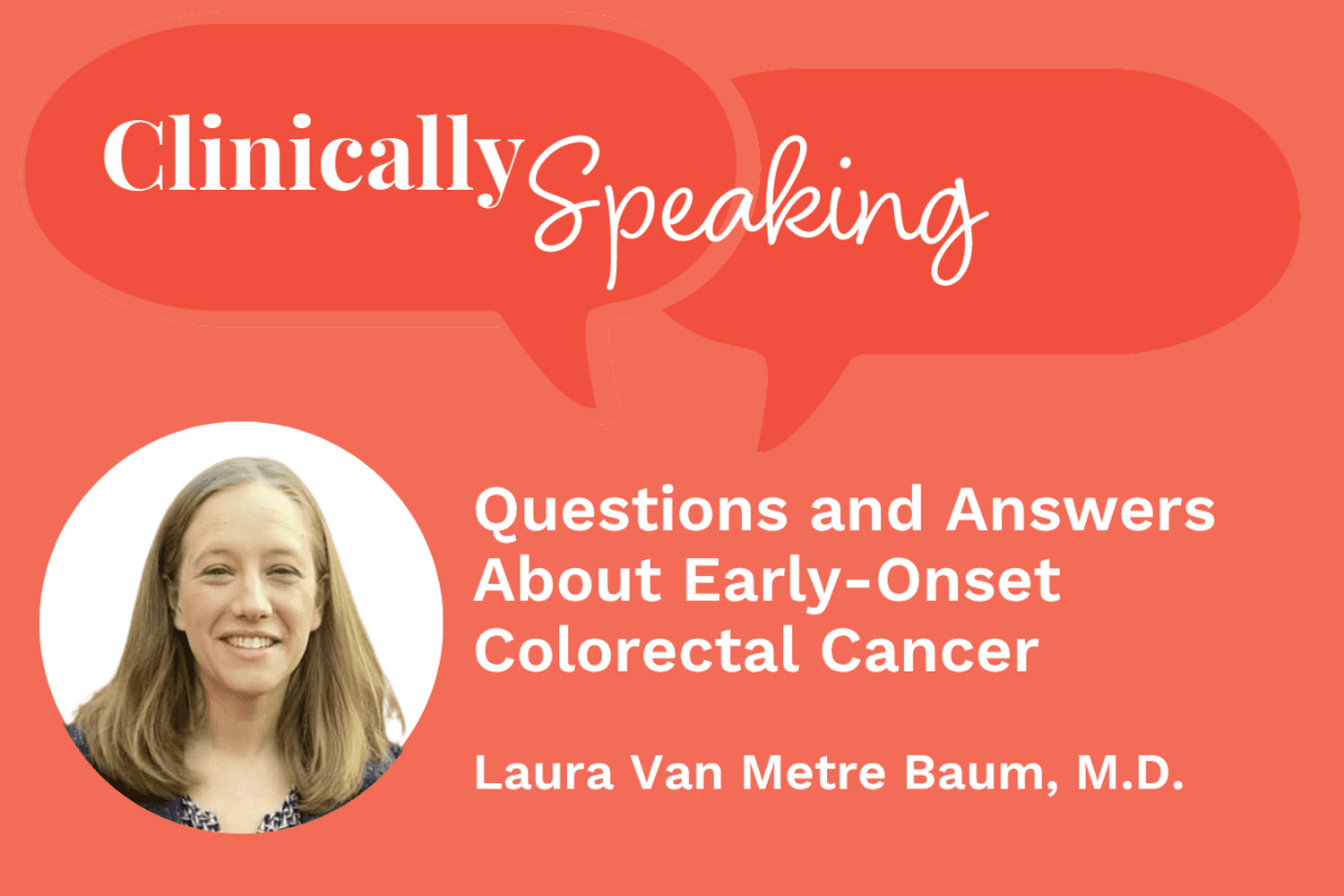
March is National Colorectal Cancer Awareness Month.
Colorectal cancer was once considered rare in young people, but 1 out of 5 diagnoses are now given to people under the age of 55. Known as “early-onset colorectal cancer” or “young-onset colorectal cancer,” these diagnoses refer to colorectal cancer found in people under the age of 50.
Rates are rising so quickly that first-time colonoscopies are now recommended at age 45, five years earlier than before.
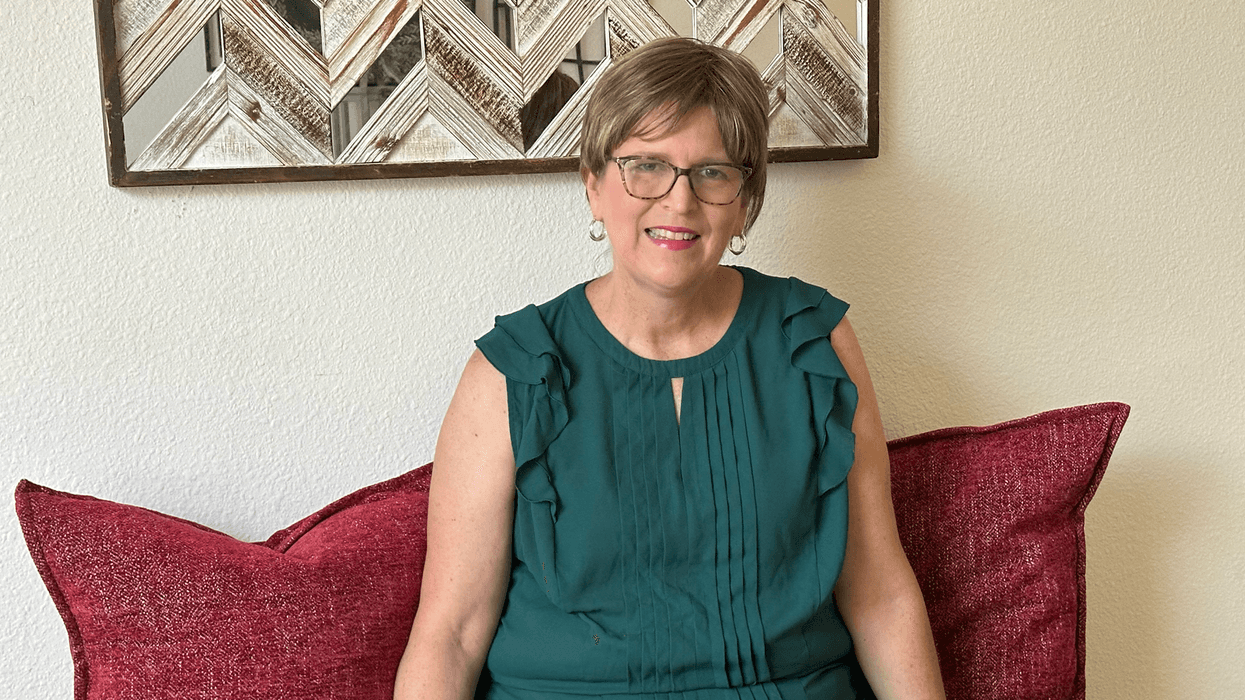
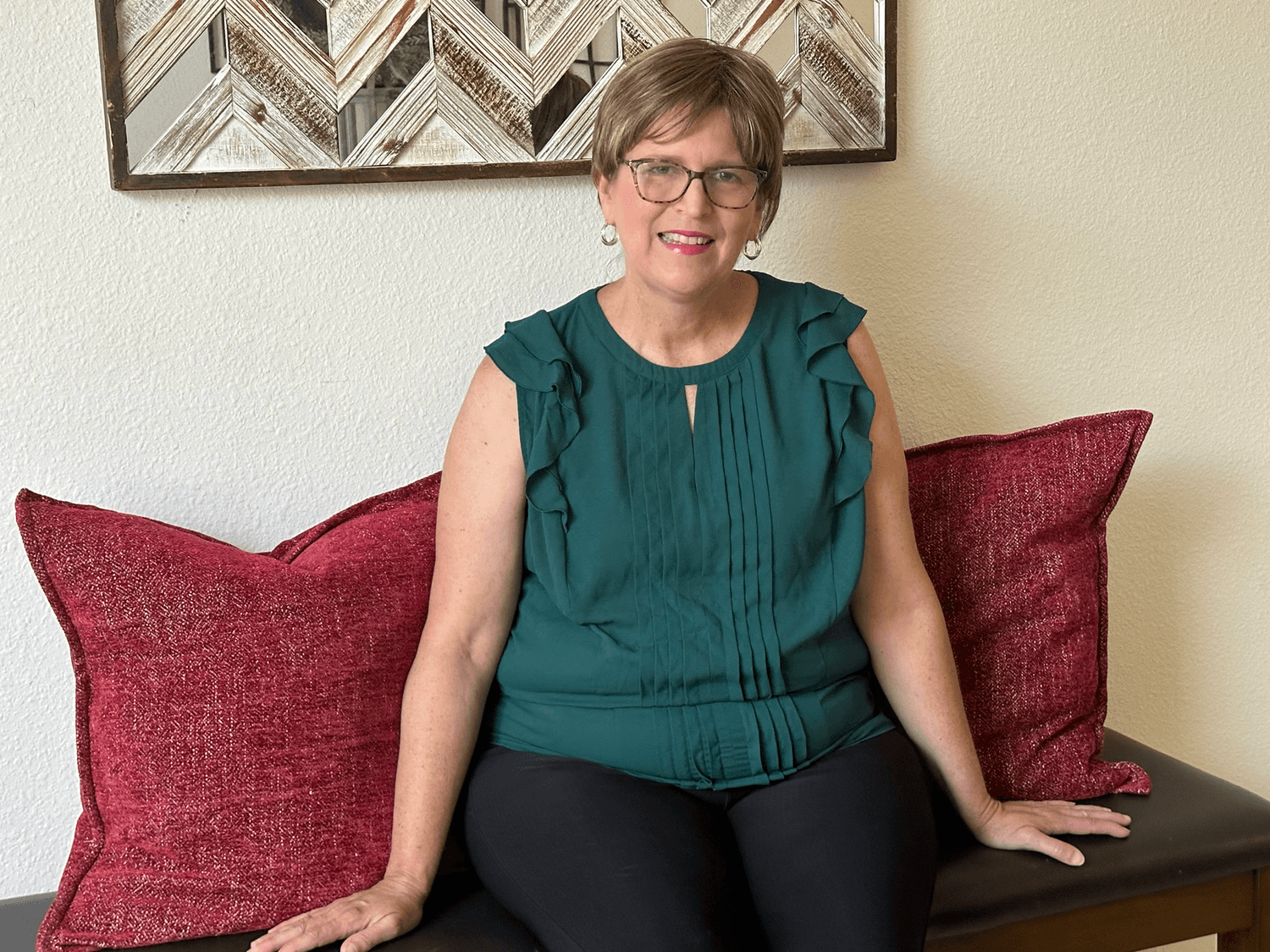
We spoke with Laura Van Metre Baum, M.D., a medical oncologist at the Dana-Farber Cancer Institute, to learn more about this concerning trend.
Do we know why the diagnosis of colorectal cancer in young people is on the rise?
Since the 1950s, we have seen rates of young onset colorectal cancer increasing globally. We’ve identified some risk factors, but they don’t fully explain the rise. There are probably multiple factors involved that include lifestyle and dietary habits, as well as environmental or other factors that can impact your health. Since we know that lifestyle and dietary patterns play a role in increasing your risk, it’s important to remember these are the risks we can control. Diets high in processed and ultraprocessed foods and low in fiber, obesity, leading a sedentary lifestyle, smoking and drinking alcohol contribute to all kinds of health problems, including colorectal cancer.
Are there differences in symptoms and survival between early-onset and older-onset colorectal cancer?
There aren’t necessarily different symptoms of the cancer itself, but younger people are less likely to get colon cancer screening, so they are more likely to be symptomatic by the time they are diagnosed. Symptoms like abdominal pain, weight loss, iron-deficient anemia or changes in bowel habits can be a sign of colorectal cancer. Also, younger people are more likely to develop cancer in the rectum or the left side of the colon. Thus, they’re also more likely to present with bright red blood mixed in with their stools, which is more common with rectal and left-sided tumors.
As for survival rates, this is surprisingly controversial. Early-onset colorectal cancer patients are more likely to have more advanced stage cancer, so they have a worse mortality because of this. Around 7 out of 10 younger people are diagnosed at an advanced stage, compared with 6 out of 10 people who are diagnosed after age 50. Stage-for-stage, though, some recent studies suggest survival rates for younger people are better compared to those who are diagnosed late because they’re getting more intensive therapies. But other studies show no difference or even worse survival rates. We do see that the very young patients, like those under age 30 or 35, generally do worse.
Do you see certain mutations more commonly in early-onset colorectal cancer?
While 10% of colorectal cancers diagnosed after age 50 are caused by inherited genetic mutations (also known as “germline mutations”), we’ve found that genes play a bigger role in early-onset colorectal cancer. Around 15-30% of early-onset colorectal cancers are linked to inherited genetic mutations that cause family cancer syndromes. Lynch syndrome is the most common one of these, but there are other genetic syndromes that also contribute to this risk. We’re also finding more new mutations in tumors of people who have early-onset colorectal cancer. These mutations, known as “somatic mutations,” are mutations in the tumor itself, rather than in the patient’s genetics. Generally, patients with early-onset cancers have different types of mutations than older patients, which may affect their outcomes.
Watch: Understanding Lynch Syndrome: What Women Need to Know >>
What type of treatments are most often used in early-onset colorectal cancer?
Treatment will usually involve a combination of surgery, chemotherapy and radiation. Another treatment option is immunotherapy, which fights cancer by targeting gene mutations, if that applies to the diagnosis.
I said earlier that people who are diagnosed younger tend to get more aggressive therapy, but that’s not always the case. Some of it also depends on the cancer, where it is located and how aggressive the cancer is. Also, it depends on how well the patient can handle the treatment.
Is there a difference in treatment between a person who is 45 and someone who is 68 if both are otherwise healthy?
No. But if the patient has other health conditions or can’t handle certain therapies, we adjust treatment to meet the patient’s needs. In general, younger patients are more likely to tolerate and to get a range of treatments.
Is there anything younger people can do to protect themselves from colorectal cancer?
Leading a healthy lifestyle will help, but it’s important to remember we are not really in control of whether we get cancer. We have seen a lot of younger patients who are triathletes, who are doing everything right. I do recommend eating a high-fiber healthy diet, exercising, quitting smoking and drinking less alcohol. I think awareness helps too.
It’s important to know colorectal cancer isn’t just a cancer that impacts those over 50. Younger people should talk to their healthcare providers if they have potential symptoms or changes in their bowel habits.
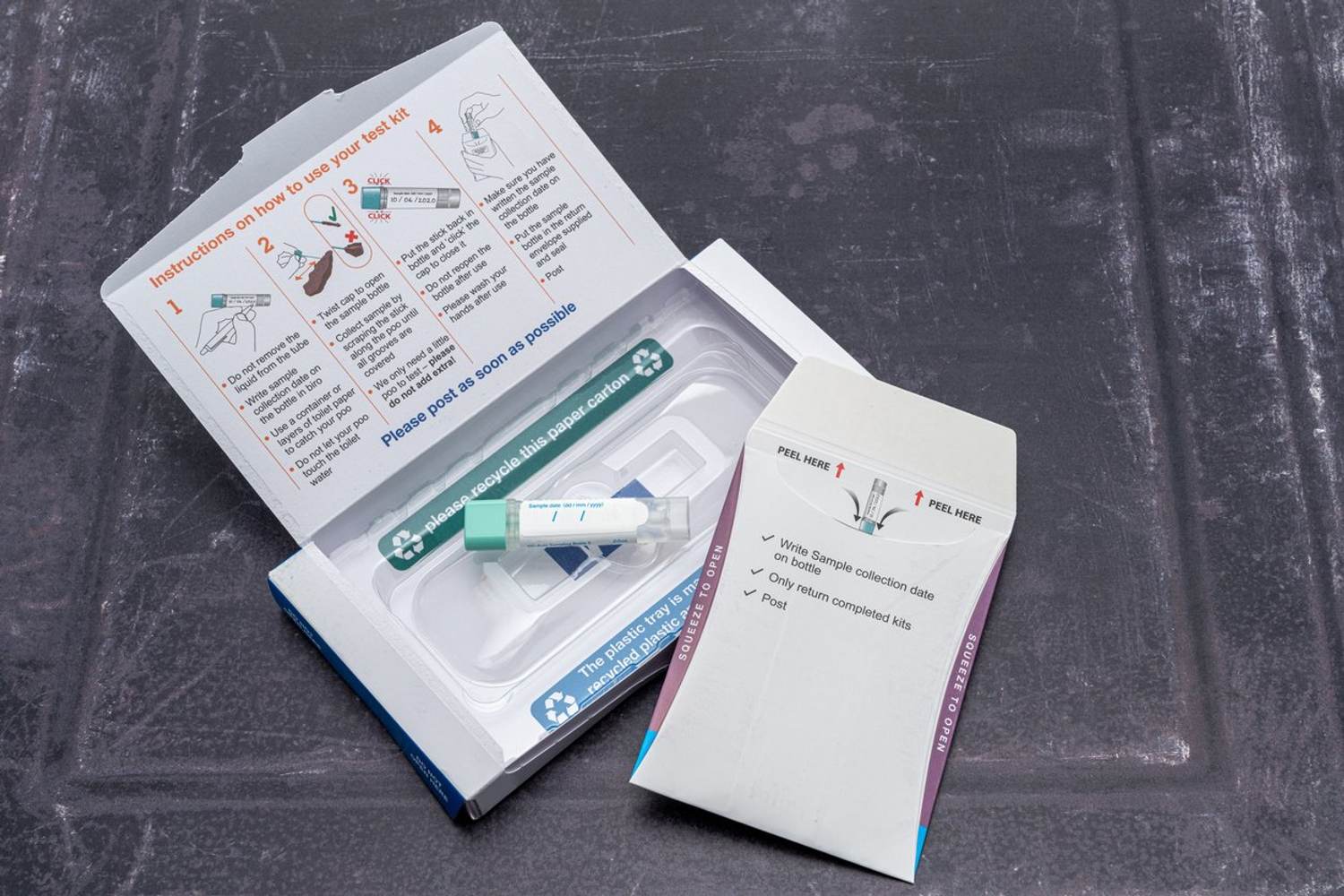
Super important point: in colorectal cancer, screening is actually a prevention tool. During a colonoscopy a doctor not only screens for cancer but can also identify and remove polyps before they become cancerous.
Are there additional considerations for treatment side effects and outcomes for younger adults with colorectal cancer?
Colorectal cancer is different for younger people mainly because they’re in different phases of their lives before age 50. There may be fertility issues to consider with treatment if the patient wants to get pregnant, particularly if they will need radiation. There may be more stressful parenting issues to deal with while getting cancer treatment if they have young children.
Relationship issues can be different for younger people. If they need a permanent ostomy bag, for example, they may feel very emotional dealing with that while they’re dating or early in a relationship or marriage. Cancer is disruptive to school and careers and can have a big financial impact. Dealing with colorectal cancer at a young age can be a real setback: emotionally, physically and financially. We try to help people through this, of course, and support them.
Also, treatment is getting better. Colorectal cancer isn’t easy, but the sooner it’s diagnosed, the more options you’ll have, and the more likely you can be cured.
This educational resource was created with support from Merck and Takeda.





Popular
1
Bye, Bye, Itch! Managing Chronic Hives at Home
Sep 23, 2026
2
How EoE Affects Your Daily Life
Sep 24, 2026
3
Biologics for Treating Asthma
Sep 22, 2026
4
10 Reasons You Might Have Blood in Your Urine
Feb 24, 2025
5
Biofármacos para el tratamiento del asma
Sep 22, 2026
6

The Skinny on Microdosing GLP-1 Drugs
Mar 06, 2025
Support Our Mission
Keep Trusted Women’s Health Information Free
Your donation ensures every woman continues to have access to credible health content.
More Stories



Everything you need to know about women’s health — in one place.