

Search
Latest Stories



Newsletter Sign-Up
Newsletter
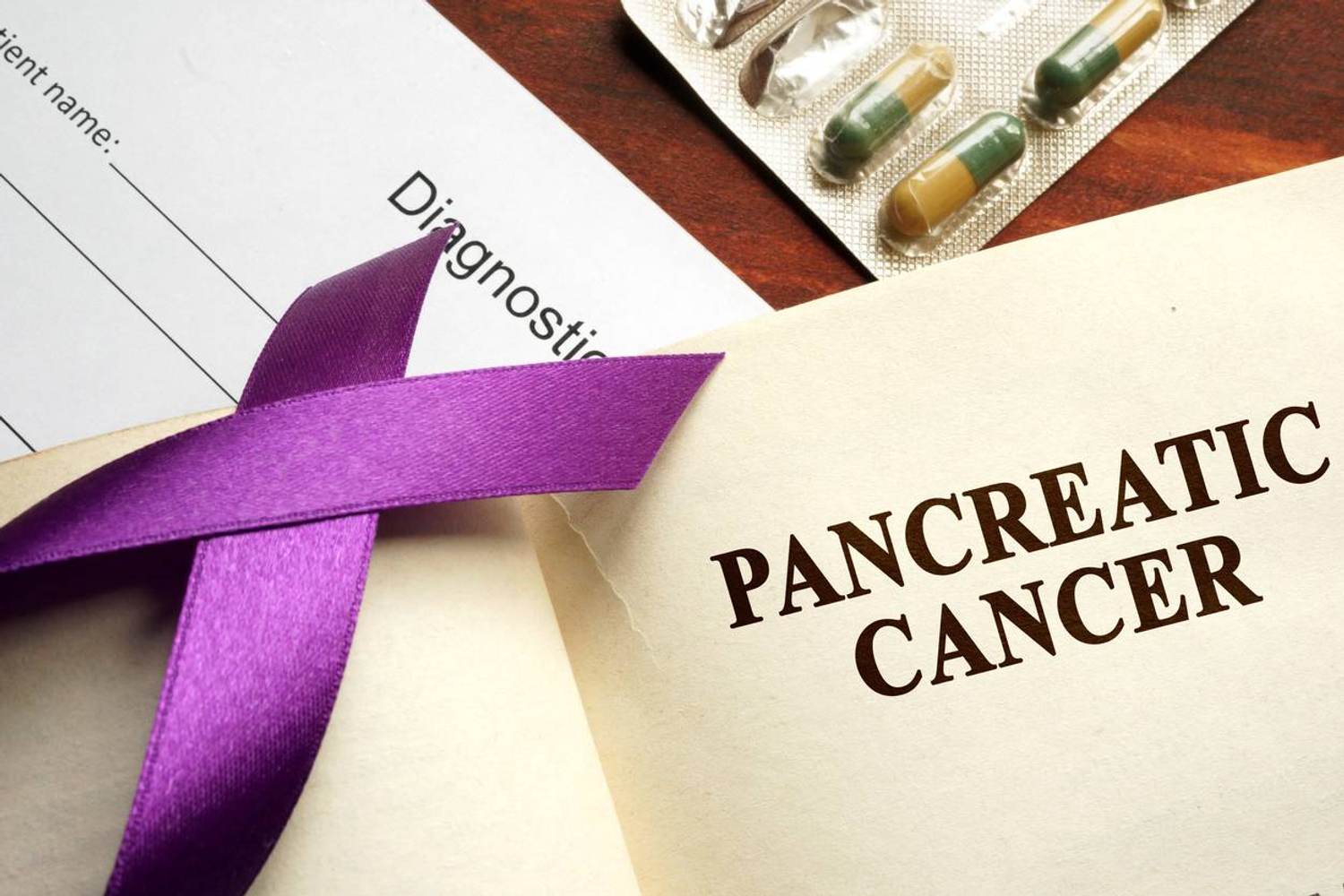
Pancreatic cancer is the 10th most common cancer in the U.S. Yet it’s the third leading cause of cancer-related death because it’s often at an advanced stage by the time it’s diagnosed.
Knowing the risk factors and symptoms of pancreatic cancer can help get the earliest diagnosis possible. Here’s what you need to know about the different types of pancreatic cancer, symptoms and ways to lower your risk for the disease.
What is pancreatic cancer?
Pancreatic cancer is when a tumor develops somewhere in the pancreas, a gland between the belly and spine. The pancreas makes enzymes to help your body digest food and makes hormones to balance blood sugar levels. When abnormal cells in the pancreas grow out of control, they can form a tumor.
Are there different types of pancreatic cancer?
Yes. Pancreatic cancers are either exocrine or neuroendocrine based on where the cancer cells started.
Most pancreatic cancers are exocrine — cancer in the exocrine cells that make up the glands and ducts that help digest food.
About 9.5 out of 10 exocrine cancers start in the ducts of the pancreas and are called pancreatic adenocarcinomas.
Pancreatic neuroendocrine tumors (pNETs), also called islet cell tumors, form in the pancreatic cells that make hormones to control blood sugar levels. They typically grow slower than exocrine cancers. There are a number of subtypes of this type of tumor.
Who gets pancreatic cancer?
Anyone can get pancreatic cancer. Most people who develop the disease are over age 45 with the average age at diagnosis being 70. Black people are more likely than their white counterparts to develop pancreatic cancer. And men are more likely than women to develop the disease.
But these trends are shifting. Rates of pancreatic cancer among women and people under age 55 are climbing faster than other groups. The rate of Black people developing pancreatic cancer also continues to climb at a faster rate than white people.
Researchers are unsure what’s causing the rates to climb in some groups over others.
What are the most common symptoms of pancreatic cancer?
People with pancreatic cancer typically don’t have symptoms in the early stages of the disease, so it can be hard to diagnose.
Symptoms of later stage pancreatic cancer can include:
- Pain that starts in the belly and spreads to the sides or back
- Loss of appetite
- Losing weight without trying
- Jaundice (yellowing of the skin and eyes) that sometimes causes itching
- Pale-colored or floating poop
- Dark urine
- New diagnosis of diabetes or diabetes that's getting harder to control
- Pain and swelling in an arm or leg, which might be caused by a blood clot
- Feeling tired or weak
How is pancreatic cancer diagnosed?
Because early stages of pancreatic cancer don’t typically have symptoms, diagnosis can be challenging. The pancreas is deep within your body, so it's difficult to feel a tumor during a regular physical exam.
There is not one single test for pancreatic cancer. Your healthcare provider (HCP) will likely start by taking your medical history, asking about any symptoms you’re experiencing and doing a physical exam.
Imaging tests to see inside your body are usually done next. These tests might include:
- Computed tomography (CT) scan
- Magnetic resonance imaging (MRI)
- Ultrasound
- Cholangiopancreatography
- Positron emission tomography (PET) scan
Blood tests and biopsies (surgery to remove and look at a piece of the tumor) may also need to be done to confirm a diagnosis, identify what stage the cancer is and recommend treatment options.
Can you lower your risk of developing pancreatic cancer?
Some risk factors for developing cancer may be out of your control like family history, certain genetic mutations, being Black or Ashkenazi Jewish, or being over the age of 60.
Certain health conditions also raise your risk, like:
- Chronic pancreatitis
- Obesity
- Gum disease
You may be able to lower risk by making lifestyle changes that are good for your overall health as well:
- Don’t smoke. The risk of getting pancreatic cancer is twice as high for people who smoke compared to people who have never smoked.
- Try to manage your weight. Excess fat in the abdomen increases the risk of pancreatic cancer.
- Eat a nutritious, balanced diet low in red and processed meats.
- Avoid drinking alcohol or limit alcohol use to one drink per day.
- Try to reduce your exposure to certain chemicals and heavy metals such as asbestos. If you can’t reduce your exposure, wear protective gear like masks and gloves when handling those chemicals.
- Talk to your HCP about how to manage any precancerous growths or cysts that are found in your pancreas.
This educational resource was created with support from Merck.






Popular
1
Biologics for Treating Asthma
Sep 22, 2026
2
Bye, Bye, Itch! Managing Chronic Hives at Home
Sep 23, 2026
3

4
Biofármacos para el tratamiento del asma
Sep 22, 2026
5
How EoE Affects Your Daily Life
Sep 24, 2026
6

The Skinny on Microdosing GLP-1 Drugs
Mar 06, 2025
Support Our Mission
Keep Trusted Women’s Health Information Free
Your donation ensures every woman continues to have access to credible health content.More Stories







Everything you need to know about women’s health — in one place.