

Search
Latest Stories





Newsletter Sign-Up
Newsletter
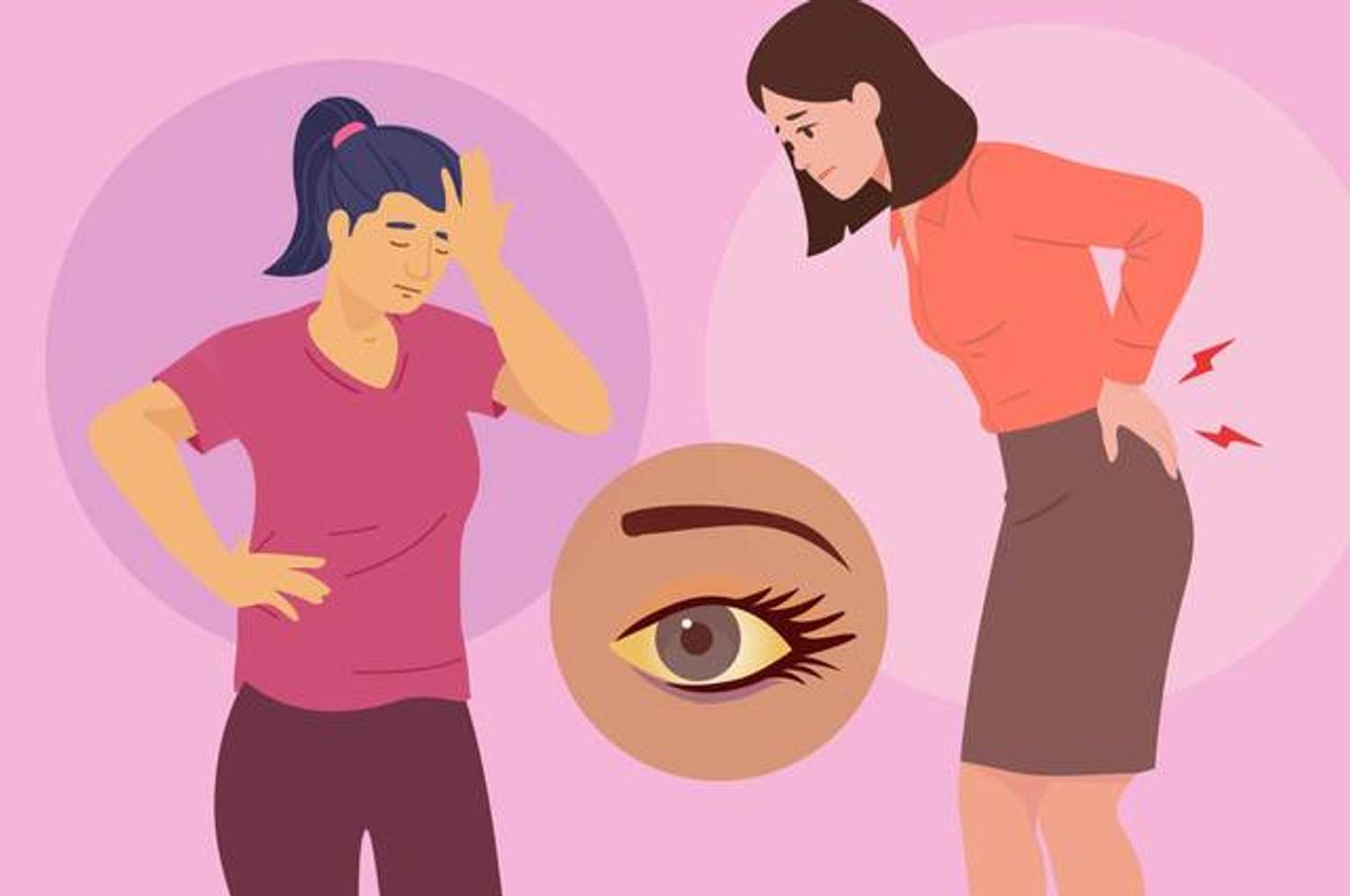
Slide 2:
When pancreatic cancer is caught early, there are more treatment options available.
Early diagnosis can be difficult because the symptoms may not be specific to pancreatic cancer.
Pay attention to these nonspecific symptoms:
Slide 3:
Pain in the Back or Belly
Tumors can press on nearby organs or nerves causing pain in the back or belly.
Slide 4:
Jaundice
Signs of jaundice include:
- Yellowing of the eyes or skin
- Dark-colored pee
- Light-colored or greasy poop
- Itchy skin
Slide 5:
Digestive Issues
Tumors can partly block the stomach causing:
- Nausea
- Vomiting
- Pain after eating
- Diarrhea
- Constipation
- Indigestion
- Bloating
Slide 6:
Unexplained Weight Loss
Losing weight without trying or having little interest in eating
Slide 7:
Sudden-Onset Diabetes
Pancreatic cancer can destroy insulin-making cells and cause diabetes.
Signs of diabetes include:
- Feeling thirstier or hungrier than normal
- Having to pee often
- Changes in blood sugar levels
Slide 8:
Blood Clots
Clumps of blood that get stuck in a large vein, usually the leg. Symptoms in the affected area include:
- Pain
- Swelling
- Redness
- Warmth
Slide 9:
Pancreatic cancer is not the most common cause of these symptoms. But if you’re experiencing any of them, talk to your healthcare provider about your concerns.
This educational resource was created with support from Merck.






Popular
1
Bye, Bye, Itch! Managing Chronic Hives at Home
Sep 23, 2026
2

Biologics for Treating Asthma
Sep 22, 2026
3
How EoE Affects Your Daily Life
Sep 24, 2026
4
Biofármacos para el tratamiento del asma
Sep 22, 2026
5

6
10 Reasons You Might Have Blood in Your Urine
Feb 24, 2025
Support Our Mission
Keep Trusted Women’s Health Information Free
Your donation ensures every woman continues to have access to credible health content.More Stories








Everything you need to know about women’s health — in one place.