
Search powered by AI
Healthy Women Image

HealthyWomen Editors

The editorial team and staff of HealthyWomen.

Kim Ledgerwood

Editorial Director, HealthyWomen

As HealthyWomen’s editorial director, Kim oversees the production of all content and ensures that it is aligned with our mission, meets our high editorial standards and captures our brand voice.

Kim is an award-winning editor and copywriter with more than 25 years of experience. She started her career as a copywriter and broadcast producer at the Southeast’s largest full-service advertising agency, The Tombras Group. Since then, she has edited and written for a wide variety of clients, ranging from Fortune 500 companies to indie authors across multiple industries and topics.

She holds a bachelor’s degree in communications from the University of North Carolina, Chapel Hill, as well as a master’s degree in communications/advertising from The University of Tennessee, Knoxville.

Kim lives in Maryland with her husband, three children and a menagerie of pets.

Jacquelyne Froeber

Senior Editor, HealthyWomen

Jacquelyne Froeber is an award-winning journalist and editor. She holds a BA in journalism from Michigan State University. She is the former editor-in-chief of Celebrated Living magazine and has editing and writing experience for print and online publications, including Health magazine, Coastal Living magazine and AARP.org.

As a breast cancer survivor, Jacquelyne encourages everyone to perform self-exams and get their yearly mammograms.

Full Bio
Could You Have a Sensitive Gut
iStock.com/svetikd

Could You Have a Sensitive Gut?

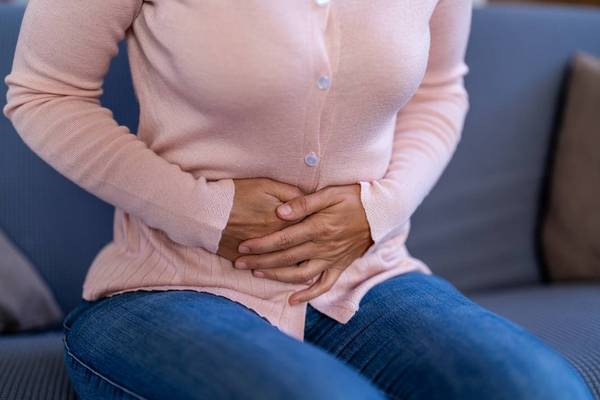
If you've ever wondered why emotional distress causes stomach cramps or a mad dash to the bathroom, know that there's a direct line of communication that runs from your brain to your digestive tract.

Gastroesophageal Reflux Disease (GERD)

HealthDay News

WEDNESDAY, May 29, 2019 (HealthDay News) -- If you've ever wondered why emotional distress causes stomach cramps or a mad dash to the bathroom, know that there's a direct line of communication that runs from your brain to your digestive tract.

READ: Signs You Have a Leaky Gut

It's called the enteric nervous system, and it can have a powerful effect.

For instance, when you feel nervous or threatened, digestion can slow or stop so that your body can focus on functions with higher priority -- and that might result in cramps or diarrhea. This is a hallmark of the condition called irritable bowel syndrome, or IBS.

The brain-gut connection works in both directions. For example, having a digestive condition can make you anxious or cause emotional distress. Plus, that anxiety can then worsen your digestive symptoms.

Researchers recently found a connection between depression and the absence of certain good gut bacteria -- they can't yet say which comes first, but it's clear that there's some type of relationship.

If your gut reacts negatively to emotions and it's affecting your life, talk to your doctor. Find out if you have a digestive issue that's causing physical as well as emotional stress, such as IBS, and take steps to treat it. These may involve changes to your diet and other lifestyle habits.

Know that the answer doesn't always have to include drug therapy. To master anxiety regardless of its source, you can tap into relaxation techniques or psychological therapies, from progressive muscle relaxation, relaxation therapy, visualization and soothing music to cognitive behavioral therapy, hypnotherapy or even gut-directed relaxation training, a technique that pairs relaxation with thinking positive thoughts centered on your gut.

Copyright © 2019 HealthDay. All rights reserved.
You might be interested in
Trending Topics