Effectiveness: 97 to 99.7 percent (1-6 pregnancies per 100 women each year).
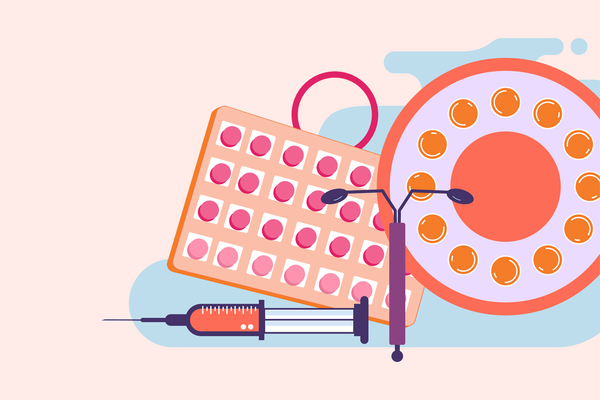
What is it? The shot is an injection of progestin, a synthetic version of the body's hormone progesterone. The shot lasts for 3 months (12 weeks) and requires four trips a year to your health care provider.
How does it work? It uses hormones to prevent the ovaries from releasing an egg. It also prevents fertilization by affecting the lining of uterus and thickening the cervical mucus.
STD protection: No; you will still need to use condoms if you are concerned about STDs.
Benefits: It's simple and convenient and allows women to feel more spontaneous about having sex. You don't have to take a daily pill or interrupt foreplay to take care of birth control. It is a very private method of birth control. Because the shot does not contain estrogen, it may be taken if you are breastfeeding or cannot take estrogen for other reasons, such as if you smoke or have high blood pressure. Your periods will likely stop, though you may have irregular bleeding. It may decrease your risk of pelvic inflammatory disease and endometrial cancer.
Disadvantages: You may have irregular bleeding, especially in the first 6 to 12 months, and you may continue to have some spotting and light bleeding between periods. Although most women's periods become fewer and lighter, you may have longer, heavier periods. It may cause loss of bone density and raise your risk of osteoporosis. Other less common side effects include: increased appetite and weight gain; reduced sex drive, hair loss or increased hair on the face or body; mood swings; depression; nausea; headaches; and breast soreness. After your last shot, it may take a long time to get pregnant—sometimes a year or more. As with other forms of hormonal birth control, there is a slightly increased risk of heart attack, stroke and blood clots. Serious complications are rare, but always talk with your health care provider about risks and benefits.
Availability: Requires four visits to health care provider annually.
Cost: About $35 to $75 per 3-month injection, plus any exam fees.*
Notes: The birth control shot is not recommended for more than 2 years because of possible increased bone density loss. It is not recommended if you: are very young; are pregnant; take medicine for Cushing's syndrome; have breast cancer; have a blood clot in a vein or artery and are not taking medicine for it; or have bones that break easily. All women should consider not smoking when using hormonal birth control.
* The Affordable Care Act requires insurance companies to cover with no co-pay any FDA-approved contraceptive method prescribed by your doctor, including barrier methods, hormonal methods, implanted methods, emergency contraception, female sterilization and patient education and counseling. These estimated costs apply to women who do not have insurance coverage or who work for a "religious employer," who may be exempt from providing contraceptive coverage. For details about what your insurance covers, contact your benefits coordinator or health insurance provider.