
Search
Latest Stories


Newsletter Sign-Up
Newsletter
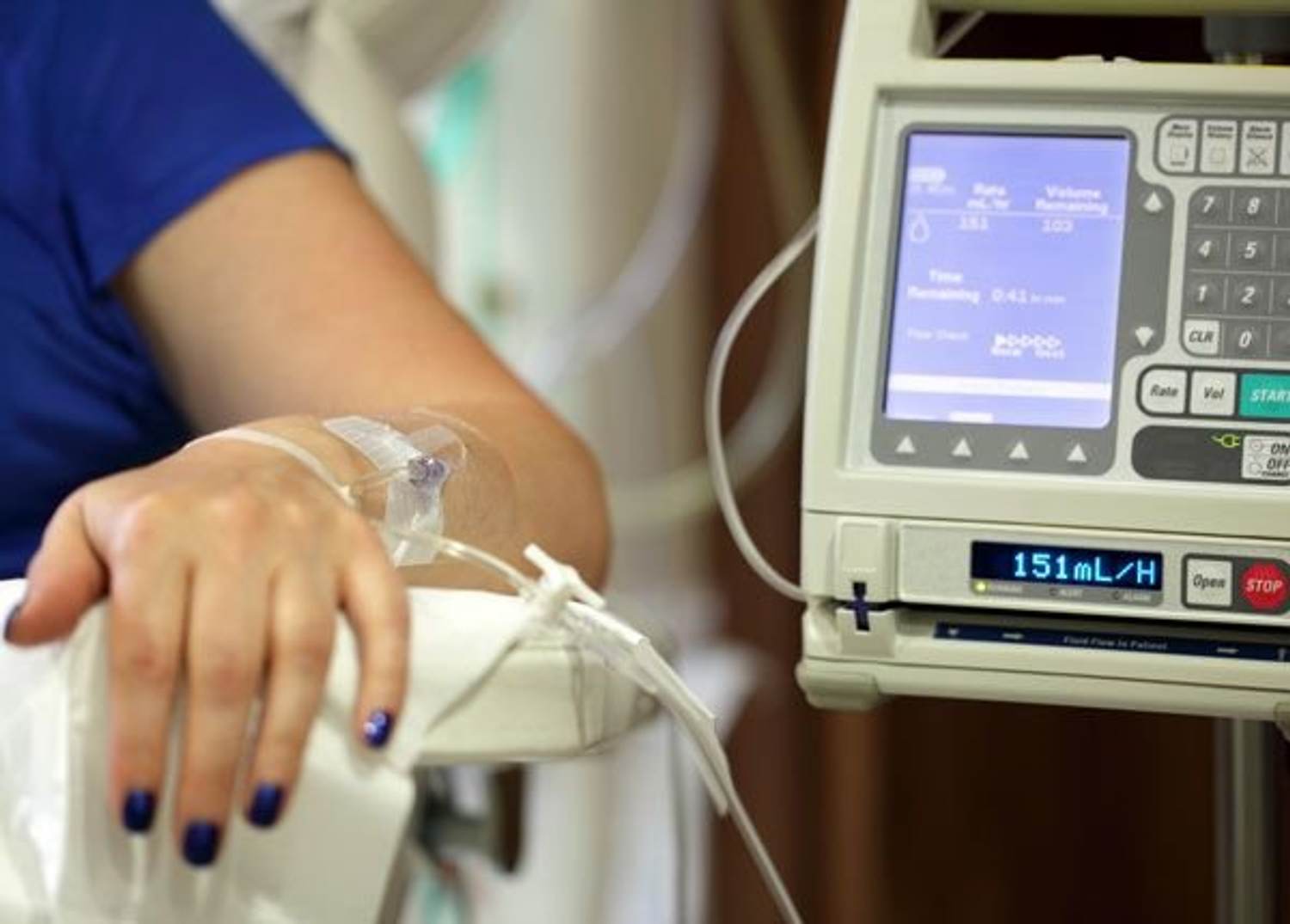
There are many ways that cancer can affect your life, and being prepared for them may help make the journey a little easier. For instance, you're probably aware that chemotherapy can cause your hair to fall out and may have readied yourself for that by doing some wig or hat shopping.
However, did you know that chemo can cause weight gain or loss? It's an unpredictable thing, but knowing why these fluctuations occur may help you prepare for a rise or fall in your body weight.
Weight loss associated with chemotherapy
Certain side effects of chemotherapy, such as low appetite, diarrhea, vomiting, nausea and dehydration, may cause a drop in body fat. As a result, it's important to monitor your weight, and notify your health care provider if you lose more than five pounds. (Seek emergency care if you experience sudden rapid heartbeat or breathing, confusion, blue lips or excessive fatigue.)
To maintain your body weight, you may need to change your diet to preserve the muscle mass you need to heal. This can include eating more protein and healthy fats—think olive oil, nuts and fish. Other palatable and easy-to-keep-down foods may include bean soups, milkshakes, smoothies, whole milk, yogurt and ice cream. Additionally, consuming smaller, more frequent meals may be easier on your stomach than three traditional meals per day.
Finally, talk to your health care provider about medications that may be causing your appetite loss, and find out if they're necessary. There also may be prescriptions that can help spark hunger.
Chemo-associated weight gain
If you fall into the camp of people who put on pounds in response to cancer treatment, there could be a number of reasons. For example, it's not uncommon for people to get less physical activity due to chemo-related fatigue or to eat more because of side effects from certain medications. Additionally, some cancer drugs can increase water retention and fatty tissue. The latter is largely associated with steroids, and this type of weight gain usually shows most in the face or between the shoulder blades.
If you or your health care provider think your weight gain is due to a poor diet or lack of activity, you may want to consider changing your lifestyle habits. Eating more fruits and vegetables can satisfy your appetite while keeping you hydrated and well-nourished.
While feelings of weakness or nausea can certainly hinder physical activity, some exercises may actually alleviate these symptoms. Swimming is a great low-impact, calming activity, as is walking. Many cancer patients find yoga to be soothing to both the body and the mind. Yoga can help tone muscles while reducing stress, which is great for your overall well-being.
Weight gain from fluid retention requires different action. If your doctor determines that your chemo meds are causing bloat and puffiness, try not to stand or walk too much at one time. Additionally, avoid wearing tight clothes, crossing your legs and consuming excessive sodium. To cut down on sodium, stay away from savory snacks, canned foods, cured meat, added salt and soy sauce.
If your weight gain goes higher than five pounds within a week, contact your health care provider. If you experience shortness of breath, contact your physician immediately.








Popular
1
Biologics for Treating Asthma
Sep 22, 2026
2
Bye, Bye, Itch! Managing Chronic Hives at Home
Sep 23, 2026
3
4
Biofármacos para el tratamiento del asma
Sep 22, 2026
5
How EoE Affects Your Daily Life
Sep 24, 2026
6

The Skinny on Microdosing GLP-1 Drugs
Mar 06, 2025
Support Our Mission
Keep Trusted Women’s Health Information Free
Your donation ensures every woman continues to have access to credible health content.More Stories







Everything you need to know about women’s health — in one place.