Menstrual Disorders
What is it?
Overview
What Is It?
Menstrual disorders are a disruptive physical and/or emotional symptoms just before and during menstruation, including heavy bleeding, missed periods and unmanageable mood swings.Some women get through their monthly periods easily with few or no concerns. Their periods come like clockwork, starting and stopping at nearly the same time every month, causing little more than a minor inconvenience.
However, other women experience a host of physical and/or emotional symptoms just before and during menstruation. From heavy bleeding and missed periods to unmanageable mood swings, these symptoms may disrupt a woman's life in major ways.
Most menstrual cycle problems have straightforward explanations and a range of treatment options exist to relieve your symptoms. If your periods feel overwhelming, discuss your symptoms with your health care professional. Once your symptoms are accurately diagnosed, he or she can help you choose the best treatment to make your menstrual cycle tolerable.
How the Menstrual Cycle Works
Your menstrual period is part of your menstrual cycle—a series of changes that occur to parts of your body (your ovaries, uterus, vagina and breasts) every 28 days, on average. Some normal menstrual cycles are a bit longer; some are shorter. The first day of your menstrual period is day one of your menstrual cycle. The average menstrual period lasts about five to seven days. A "normal" menstrual period for you may be different from what's "normal" for someone else.
Types of Menstrual Disorders
If one or more of the symptoms you experience before or during your period causes a problem, you may have a menstrual cycle "disorder." These include:
- Abnormal uterine bleeding (AUB): Excessive or heavy menstrual bleeding
- Amenorrhea: No menstrual bleeding
- Menstrual Cramps: Painful cramps caused by uterine contractions
- Fibroids: Noncancerous uterine tumors [there is no content related to this in the article]
- Dysmenorrhea:Painful menstrual periods [there is no content related to this in the article]
- Premenstrual Syndrome (PMS): Physical and emotional discomfort prior to menstruation
- Premenstrual dysphonic disorder (PMDD): Severe physical and emotional discomfort prior to menstruation
A brief discussion of menstrual disorders follows below. [the following content could also go on a separate page, Types of Menstrual Disorders]
Abnormal Uterine Bleeding
One in five women bleed so heavily during their periods that they have to put their normal lives on hold just to deal with the heavy blood flow.
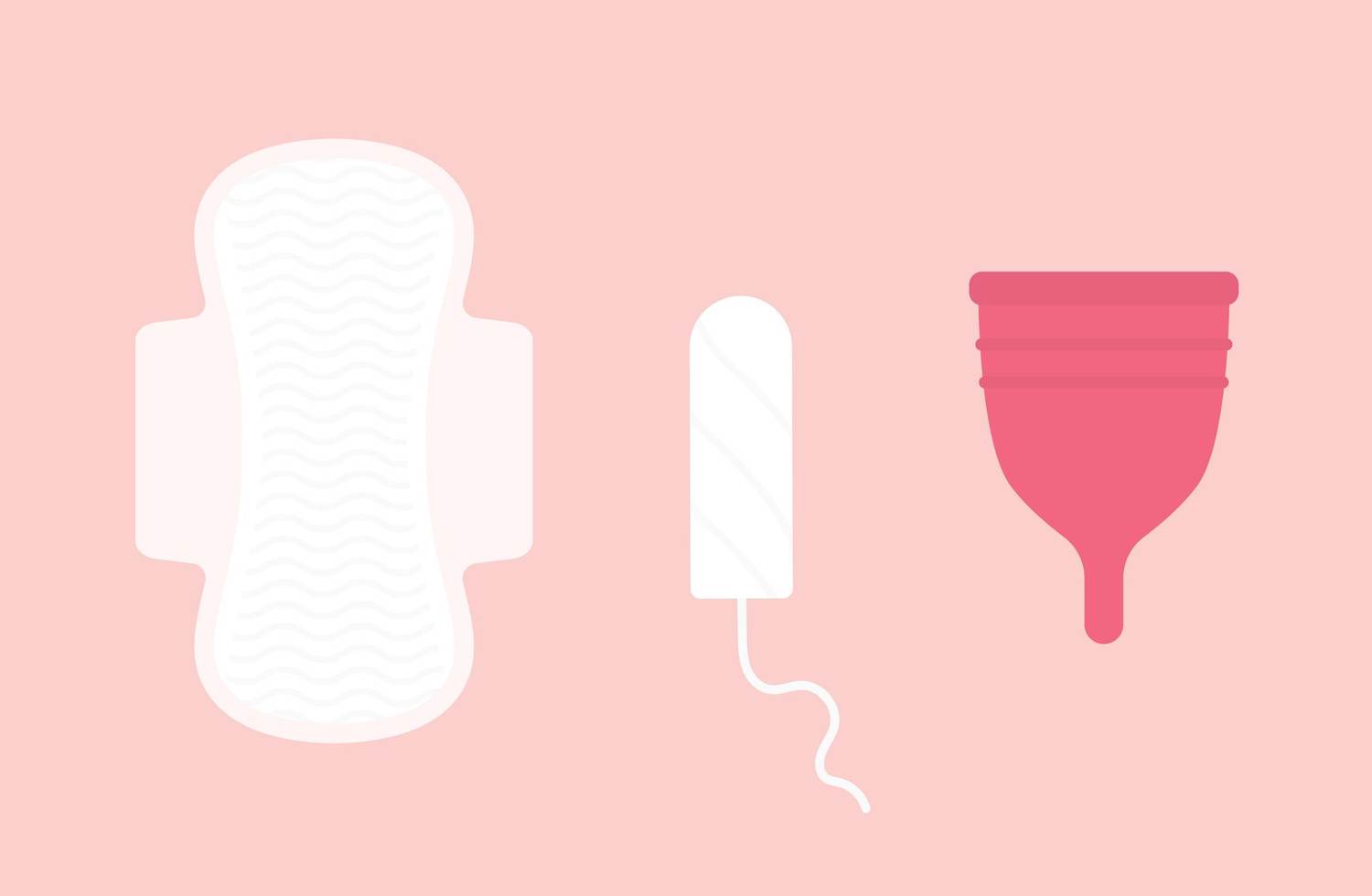
Bleeding is considered heavy or abnormal if it interferes with normal activities. Blood loss during a normal menstrual period is about five tablespoons, but if you have AUB, you may bleed as much as 10 to 25 times that amount each month. You may have to change a tampon or pad every hour, for example, instead of three or four times a day.
Heavy menstrual periods can be common at various stages of your life—during your teen years when you first begin to menstruate and in your late 40s or early 50s, as you get closer to menopause.
If you are past menopause and experience any vaginal bleeding, discuss your symptoms with your health care professional right away. Any vaginal bleeding after menopause isn't normal and should be evaluated immediately by a health care professional.
Abnormal uterine bleeding can be caused by:
- Hormonal imbalances
- Structural abnormalities in the uterus
- Medical conditions
Many women with excessive menstrual bleeding can blame their condition on hormones. Your body may produce too much or not enough estrogen or progesterone—known as reproductive hormones—necessary to keep your menstrual cycle regular.
For example, many women with abnormal uterine bleeding don't ovulate regularly. Ovulation, when one of the ovaries releases an egg, occurs around day 14 in a normal menstrual cycle. Changes in hormone levels help trigger ovulation.
Certain medical conditions can cause abnormal uterine bleeding. These include:
- Thyroid problems
- Blood clotting disorders such as Von Willebrand's disease, a mild-to-moderate bleeding disorder
- Idiopathic thrombocytopenic purpura (ITP), a bleeding disorder characterized by too few platelets in the blood
- Liver or kidney disease
- Leukemia
- Medications, such as anticoagulant drugs such as Plavix (clopidogrel) or heparin and some synthetic hormones.
Other gynecologic conditions that may be responsible for heavy bleeding include:
- Complications from the copper-T IUD
- Miscarriage
- Ectopic pregnancy, which occurs when a fertilized egg begins to grow outside your uterus, typically in your fallopian tubes
Other causes of excessive bleeding include:
- Fibroids (However, fibroids don't always cause excessive bleeding. In fact, about half of all women who have fibroids don't have any symptoms at all.)
- Infection
- Pre-cancerous conditions
Amenorrhea
You may also have experienced the opposite problem of heavy menstrual bleeding—no menstrual periods at all. This condition, called amenorrhea, or the absence of menstruation, is normal before puberty, after menopause and during pregnancy. If you don't have a monthly period and don't fit into one of these categories, then you need to discuss your condition with your health care professional.
There are two kinds of amenorrhea: primary and secondary.
- Primary amenorrhea is diagnosed if you turn 16 and haven't menstruated. It's usually caused by some problem in your endocrine system, which regulates your hormones. Sometimes this results from low body weight associated with eating disorders, excessive exercise or medications. This medical condition can be caused by a number of other things, such as a problem with your ovaries or an area of your brain called the hypothalamus or genetic abnormalities. Delayed maturing of your pituitary gland is the most common reason, but you should be checked for any other possible reasons.
- Secondary amenorrhea is diagnosed if you had regular periods, but they suddenly stop for three months or longer. It can be caused by problems that affect estrogen levels, including stress, weight loss, exercise or illness.
Additionally, problems affecting the pituitary gland (such as elevated levels of the hormone prolactin) or thyroid (including hyperthyroidism or hypothyroidism) may cause secondary amenorrhea. This condition can also occur if you've had an ovarian cyst or had your ovaries surgically removed.
Menstrual Cramps
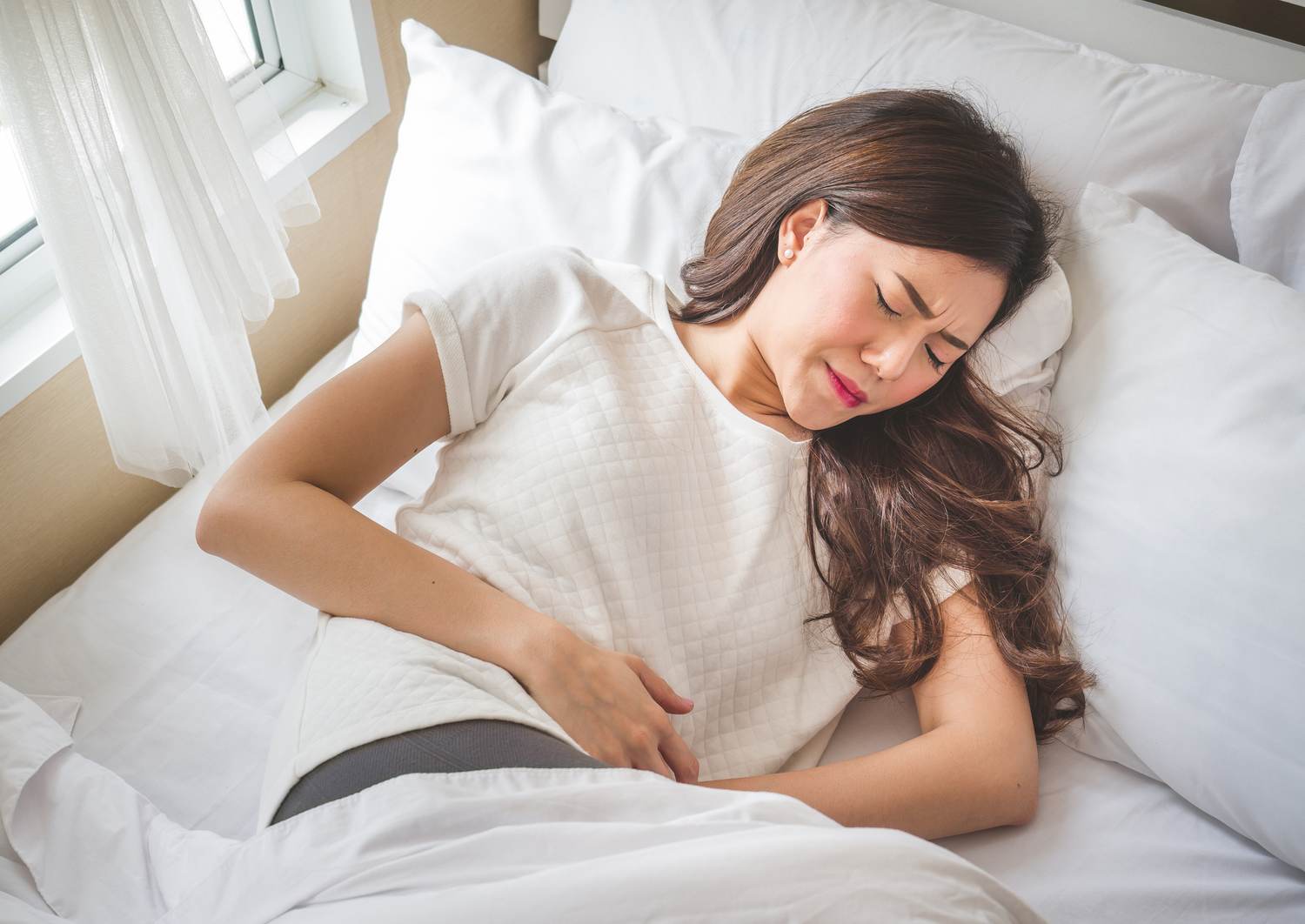
Most women have experienced menstrual cramps before or during their period at some point in their lives. For some, it's part of the regular monthly routine. But if your cramps are especially painful and persistent, you should consult your health care professional.
Pain from menstrual cramps is caused by uterine contractions, triggered by prostaglandins, hormone-like substances that are produced by the uterine lining cells and circulate in your bloodstream. If you have severe menstrual pain, you might also find you have some diarrhea or an occasional feeling of faintness where you suddenly become pale and sweaty. That's because prostaglandins speed up contractions in your intestines, resulting in diarrhea, and lower your blood pressure by relaxing blood vessels, leading to lightheadedness.
Premenstrual syndrome (PMS)
PMS is a term commonly used to describe a wide variety of physical and psychological symptoms associated with the menstrual cycle. About 30 to 40 percent of women experience symptoms severe enough to disrupt their lifestyles. PMS symptoms are more severe and disruptive than the typical mild premenstrual symptoms that as many as 75 percent of all women experience.
There are more than 150 documented symptoms of PMS, the most common of which is depression. Symptoms typically develop about five to seven days before your period and disappear once your period begins or soon after.
Physical symptoms associated with PMS include:
- Bloating
- Swollen, painful breasts
- Fatigue
- Constipation
- Headaches
- Clumsiness
Emotional symptoms associated with PMS include:
- Anger
- Anxiety or confusion
- Mood swings and tension
- Crying and depression
- Inability to concentrate
PMS appears to be caused by rising and falling levels of the hormones estrogen and progesterone, which may influence brain chemicals, including serotonin, a substance that has a strong affect on mood. It's not clear why some women develop PMS or PMDD and others do not, but researchers suspect that some women are more sensitive than others to changes in hormone levels.
PMS differs from other menstrual cycle symptoms because symptoms:
- Tend to increase in severity as the cycle progresses
- Are relieved when menstrual flow begins or shortly after
- Are present for at least three consecutive menstrual cycles
Symptoms of PMS may worsen with age and increase in severity following each pregnancy. If you experience PMS, you may have an increased sensitivity to alcohol at specific times during your cycle. Women with this condition often have a sister or mother who also suffers from PMS, suggesting a genetic component exists for the disorder.
Premenstrual Dysphoric Disorder (PMDD)
Premenstrual dysphoric disorder is far more severe than the typical PMS. Women who experience PMDD (about 3 to 8 percent of all women) say it significantly interferes with their lives. Experts equate the difference between PMS and PMDD to the difference between a mild tension headache and a migraine.
The most common symptoms of PMDD are heightened irritability, anxiety and mood swings. Women who have a history of major depression, postpartum depression or mood disorders are at higher risk for PMDD than other women. Although some symptoms of PMDD and major depression overlap, they are different:
- PMDD-related symptoms (both emotional and physical) are cyclical. When a woman starts her period, the symptoms subside within a few days.
- Depression-related symptoms, however, are not associated with the menstrual cycle. Without treatment, depressive mood disorders can persist for weeks, months or years.
Diagnosis
Diagnosis
To help diagnose menstrual disorders, you should schedule an appointment with your health care professional. To prepare, keep a record of the frequency and duration of your periods. Also jot down any additional symptoms, such as cramping, and be prepared to discuss health history. Here is how your health care professional will help you specifically diagnose abnormal uterine bleeding, dysmenorrhea, PMS and PMDD:
Abnormal uterine bleeding
To diagnose abnormal uterine bleeding (AUB) – also called menorrhagia or heavy menstrual bleeding, your health care professional will conduct a full medical examination to see if your condition is related to an underlying medical problem. This could be structural, such as fibroids or endometriosis, or hormonal. The examination involves a series of tests. These may include:
Endometrial biopsy. A gentle scraping method is used to remove some tissue from the lining of your uterus. The tissue is analyzed under a microscope to identify any possible problem, including cancer.
Ultrasound. High-frequency sound waves are reflected off pelvic structures to provide an image. Your uterus may be filled with a saline solution to perform this procedure, sonohysterography. No anesthesia is necessary.
Hysteroscopy. In this diagnostic procedure, your health care professional looks into your uterine cavity through a miniature telescope-like instrument called a hysteroscope. Either general or local anesthesia is used, and the procedure can be performed in the hospital or in a doctor's office.
Dilation and curettage (D&C). During a D&C, your cervix is dilated and instruments are used to scrape away your uterine lining. A D&C may also be used as a treatment for excessive bleeding and for bleeding that doesn't respond to other treatments. It is performed on an outpatient basis under local anesthesia.
You can also expect blood tests to check your blood count and a urine test to see if you're pregnant, as well as other laboratory tests.
The more information you can give your health care professional, the better. Take notes on the dates and length of your periods. You can do this by marking your calendar or appointment book. You might also be asked to keep a daily track record of your temperature to determine when you are ovulating. Ovulation kits are available without a prescription and are easy to use.
During your initial evaluation with your health care professional, you should also discuss the following:
- current medications
- details about menstrual flow and cycle length
- any gynecologic surgery or gynecologic disorders
- sexual activity and history of sexually transmitted diseases
- contraceptive use and history
- family history of fibroids or other conditions associated with AUB
- history of a breast discharge
- blood clotting disorders
PMS and PMDD
There are no specific diagnostic tests for PMS and PMDD. You'll probably be asked to keep track of your symptoms and write them down. A premenstrual symptom checklist is one of the most common methods currently used to evaluate symptoms. With this tool, you can track the type and severity of symptoms to help identify a pattern.
Generally PMS and PMDD symptoms:
- tend to increase in severity as the menstrual cycle progresses.
- tend to be relieved when menstrual flow begins or soon afterward.
- are present for at least three consecutive menstrual cycles.
Treatment
Treatment
Treatments for menstrual disorders range from over-the-counter medications to surgery, with a variety of options in between. Your treatment options will depend on your diagnosis, its severity, which treatment you prefer, your health history and your health care professional’s recommendation.
Abnormal Uterine Bleeding
Medication and surgery are used to treat AUB. Typically, less invasive therapies should be considered first. Treatment choices depend on your age, your desire to preserve fertility and the cause of the bleeding (dysfunctional or structural). Some treatments may reduce your menstrual bleeding to a light to normal flow.
Medication
Medication therapy is often successful and a good first option. The benefits last only as long as the medication is taken, so if you choose this route, you should know that medical treatment is a long-term commitment.
Low-dose birth control pills, progestins and nonsteroidal anti-inflammatory drugs (NSAIDs) may help control heavy or irregular bleeding caused by hormonal imbalances.If your periods have stopped, oral contraceptives (OCs) and contraceptive patches are highly effective in restoring regular bleeding. Both can also help reduce menstrual flow, improve and control menstrual patterns and relieve pelvic pain during menstruation.
They are considered for PMS treatment if your symptoms are mostly physical, but may not be effective if your primary symptom is mood changes. However, a newer brand of oral contraceptive containing a form of progesterone called drospirenone and marketed under the brand name YAZ may reduce some mood-related symptoms such as anxiety, irritability, tearfulness and tension.
Birth control pills may not be an appropriate treatment choice if you smoke, have a history of pulmonary embolism (blood clots in your lungs) or have bothersome side effects from this medication. The risk of these side effects is even higher if you use the birth control patch, because it contains higher levels of estrogen.
Progestins, either oral or injectable, are also used to manage heavy bleeding, particularly that resulting from a lack of ovulation. Although they don't work as well as estrogen, they are effective for long-term management.
The FDA has approved the levonorgestrel intrauterine system (Mirena) to treat heavy menstrual bleeding in women who use intrauterine contraception as their method of birth control prevention. It is recommended for women who have had a child. This is a new indication for Mirena, which was approved by the FDA in 2000 as a contraceptive. In the clinical trial, monthly blood loss was reduced by more than 50 percent in nearly nine out of 10 women involved in the study. The Mirena system may be kept in place for up to five years. Over this time, it slowly releases a low dose of the progestin hormone levonorgestrel into the uterus. Mirena is also referred to as an intrauterine device, or IUD.
Nonsteroidal anti-inflammatory drugs (NSAIDs) are available over the counter and can help reduce menstrual bleeding. These medications include ibuprofen (Advil, Motrin), naproxen (Aleve) and mefenamic acid (Ponstel). Common side effects include stomach upset, headaches, dizziness and drowsiness.
Surgery
Except for hysterectomy, surgical options for heavy bleeding preserve the uterus, destroying just the uterine lining. However, most of these procedures result in the loss of fertility, ending your ability to have children.
There are other important considerations for each of these treatment options. Risks common to all surgical options include infection, hemorrhage and other complications.
Endometrial ablation. These procedures are recommended only for women who have completed their families, because they destroy the uterine lining and, therefore, fertility. However, following treatment, you must use contraception. Although endometrial ablation destroys the uterine lining, there is a small chance that pregnancy could occur, which could be dangerous to both mother and fetus. Overall, endometrial ablation procedures have a success rate of between 80 and 90 percent, and about 14 to 55 percent of women stop having menstrual periods after undergoing endometrial ablation.
The main types of ablation are:
Hysteroscopic endometrial ablation or endometrial resection (EMR). During hysteroscopic endometrial ablation, the uterine lining is viewed through a small telescope and cauterized with an electrosurgical tip called a "rollerball". EMR is another hysteroscopic technique, in which the uterine lining and a quarter-inch of its underlying muscle are removed. The procedures are considered outpatient surgeries and normally take about 20 to 30 minutes, depending on the skill of the surgeon. They are performed under epidural or general anesthesia and should take one to two days to recover, in most cases.
Hysteroscopic procedures (rollerball and EMR) are acquired skills that not every physician possesses. Ask yours about past experience in this procedure before agreeing to it. Both procedures also require filling your uterus with fluid so its contours can be visualized on a monitor and so it remains open during the procedure. While viewing your uterus, the physician moves the rollerball (which resembles the type of tool you might use to smooth wallpaper) or wire-loop electrode, which delivers an electrical current, from top to bottom of the uterus until the entire surface of the uterus has been cauterized or removed.
Risks associated with this procedure include uterine perforation and fluid overload. Because the fluid pumped into your uterus is kept under pressure during the procedure, there is a very slight risk that fluid may escape into the uterine blood vessels, upsetting the concentration of electrolytes, such as sodium, in your blood stream. This imbalance may be life threatening. However, the risk of fluid overload is very rare in the hands of an experienced physician and with the new fluid monitoring equipment available.
Hot water ablation. This method of ablation uses a hot saline solution to destroy specific tissue inside the uterus. A computer monitors the uterus to make sure no fluid leaks through uterine walls or tubes. It is performed under local anesthesia. The surgeon inserts a hysteroscope and tubing through the vagina into the uterus. The heater canister, which is located outside the body, heats saline fluid (salt water) to a temperature of 176 to 194 degrees F. With the aid of the pump and valves, the heated fluid is circulated through the uterus for 10 minutes, followed by a cool-down phase, where fluid at a temperature of 34 degrees F is circulated for one minute. The exposure to the heated fluid destroys the endometrium.
Uterine cryoblation therapy. This therapy system uses freezing to destroy the lining of the uterus. It involves a slender probe attached to a cooling unit. After receiving local anesthesia, the probe is inserted through the cervix into the uterus. The tip of the probe is brought to a very low temperature (-130 degrees F) to freeze and eliminate the uterine lining.
Bipolar radiofrequency ablation. This system works by ablating, or destroying, the lining of the uterus using electrical energy. The procedure is performed with a handheld catheter that delivers radio frequency energy to the uterine lining for about 90 seconds, significantly less time than for other endometrial ablation treatments.
Uterine balloon therapy. During this procedure, a soft, flexible balloon attached to a thin probe is inserted into your vagina through the cervix and placed in your uterus. The balloon is inflated with sterile hot fluid and expands to fit the contours of your uterus. Then the fluid is heated to 189 degrees F for eight minutes. This treatment lasts for about 30 minutes and thermally destroys your uterine lining. Afterward, the fluid is withdrawn, the balloon deflates and the device is removed from your uterus through your cervix and vagina. This is an out-patient procedure, usually performed under general anesthesia.
With this procedure, no visualization is necessary, the instrument is smaller and no special surgical skill is required. The major drawbacks of uterine balloon therapy are that it cannot be used if you have uterine polyps, fibroids or abnormally shaped uteri (those that are larger than normal, have an abnormal shape or contain fibroids or polyps), and it appears to be less effective than hysteroscopic techniques in experienced hands.
About 13 percent of women treated with thermal balloon stop having periods.
Microwave ablation. Performed under local anesthesia, this procedure uses microwave technology to destroy the uterine lining. A long, slender tube is inserted into the uterus to deliver the microwaves. The treatment lasts one to four minutes.
Hysterectomy. This is one of the most common surgical procedures performed to end heavy bleeding. It is the only treatment that completely guarantees bleeding will stop. But it is also a radical surgery that removes your uterus.
Several factors make elective hysterectomy a serious consideration: It is major surgery and includes all the risks associated with any surgical procedure. A lengthy recovery period, often four to six weeks, may be necessary for some women. Fatigue associated with the procedure can last much longer.
Several types of hysterectomy are available. More information is available at www.HealthyWomen.org.
Menstrual cramps
If you are experiencing severe menstrual cramps (called dysmenorrhea) regularly, your health care professional might suggest you try over-the-counter and prescription medications and exercise, among other strategies.
Medications such as nonsteroidal anti-inflammatories (NSAIDs), like ibuprofen and naproxen, can be purchased without a prescription. Treatment works best if started hours before the onset of cramping. If you wait until you have pain, it doesn't work as well. This will also help reduce heavy bleeding.
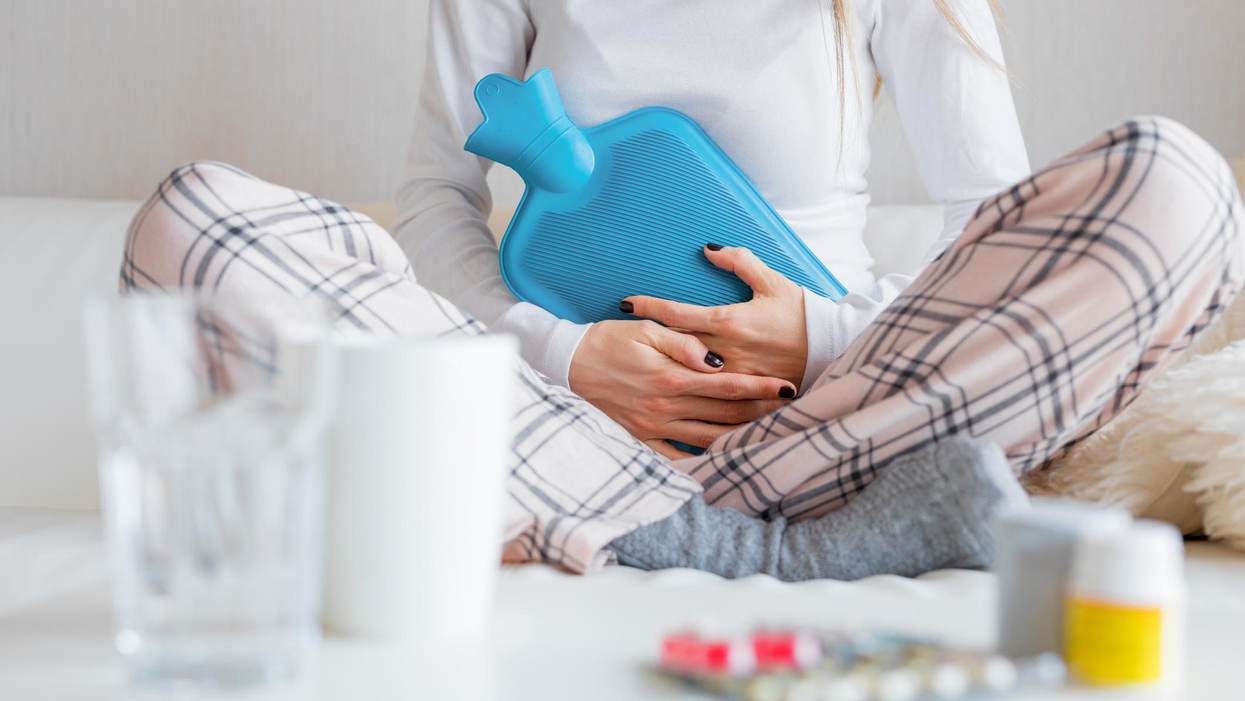
Other ways to relieve symptoms include putting heat on your abdominal area and mild exercise.
PMS and PMDD
To help manage PMS symptoms, try exercise and dietary changes suggested here and ask your health care professional for other options. If you suffer from PMDD, however, don't try to treat on your own; make sure you talk to your health care professional.
Dietary options for PMS include:
- cutting back on alcohol, caffeine, nicotine, salt and refined sugar, which can make PMS and PMDD symptoms worse.
- increasing the calcium in your diet from sources such as low-fat dairy products, soy products, dark greens such as turnip greens and calcium fortified orange juice. Increased calcium may help relieve some menstrual cycle symptoms.
- increasing the amount of complex carbohydrates in your diet; these include fruits, vegetables, grains and beans.
- increasing the amount of water you drink to help flush out fluids from your body and make you feel more comfortable.
Exercise is another good way to relieve menstrual cycle symptoms. You will get the greatest benefits from exercise if you do it for at least 30 minutes, five days a week. But even taking a 20- to 30-minute walk three times a week can:
- increase brain chemicals that give you more energy and improve mood.
- decrease stress and anxiety.
- improve deep sleep at night.
Other medical therapies your health care professional might suggest include:
- Antidepressants such as paroxetine (Paxil), sertraline (Zoloft), citalopram (Celexa) and fluoxetine (Prozac). These are prescribed because they are effective in regulating the brain compound serotonin, which is related to PMS
- Anti-anxiety medication such as alprazolam (Xanax)
- GnRH agonists (Lupron), sometimes in combination with estrogen or estrogen-progestin hormone therapy, for short-term treatment (less than six months). This treatment has numerous side effects, however, including hot flashes and vaginal dryness.
- Diuretic medications, such as spironolactone (Aldactone) to help with water weight gain and bloating.
- Oral contraceptives (specifically a new brand of oral contraceptive called YAZ) that contain a progesterone called drospirenone may help reduce some mood-related PMS symptoms, such as irritability, anxiety, tearfulness and tension.
There's evidence that some nutritional supplements such as vitamin E, magnesium and vitamin B-6 may help ease symptoms of PMS. Discuss these and other strategies with your health care professional before taking any dietary supplement.
Prevention
Prevention
You cannot prevent abnormal uterine bleeding, but you can manage it once it develops.
Women who experience chronic ovulation problems-failure to ovulate-can regulate their bleeding by continuing to take oral contraceptives.
For other menstrual cycle-related problems, such as cramping or premenstrual syndrome, you can take steps to prevent or minimize your discomfort and pain as described in the Treatment section of this entry.
Additionally, changing your diet, exercising and adopting a regular sleep pattern can all help with PMS and PMDD symptoms. Specifically, try:
Changing your diet by reducing refined sugars, salt, nicotine, caffeine and alcohol, which can aggravate PMS symptoms
Exercising at least 20 to 30 minutes three times a week, ideally for at least 30 minutes, five days a week
Sleeping consistent hours and establishing a bedtime routine to help cue your body and mind for sleeping
Keeping a premenstrual symptom checklist to be prepared for highs and lows
For PMDD, antidepressants or anti-anxiety medications, particularly a type called selective serotonin reuptake inhibitors (SSRIs), can help prevent disruptive symptoms. It may not be necessary to take an SSRI every day; taking the medication only during your luteal phase (starting 14 days before your next period) may be sufficient.
Facts to Know
Facts to Know
Abnormal uterine bleeding (AUB) includes menorrhagia (menses too heavy), metrorrhagia (bleeding in between menses) and hypermenorrhea (menses too long). Abnormal uterine bleeding may describe amenorrhea or absence of menstrual periods.
Abnormal uterine bleeding can occur at any age, but it is more likely to occur at certain times in a woman's life. For instance, before menopause, your periods may suddenly become lighter or heavier because you are ovulating less often. If you have just begun to menstruate, you may also experience AUB.
Sometimes abnormal bleeding is caused by hormonal problems. A significant number of women with excessive menstrual bleeding fall into this category. Hormonal imbalances occur when your body produces too much or not enough of certain hormones.
Aside from hormonal problems, there are many other causes of abnormal uterine bleeding. They include:
• certain birth control methods, such as the copper-T intrauterine device (IUD) and birth control pills
• infection of the uterus or cervix
• uterine fibroids
• blood clotting problems
• some types of cancer, including uterine, cervical and vaginal
• chronic medical problems, such as hypo- and hyperthyroidism, liver disease, kidney disease and diabetesHysterectomy is the only treatment that completely guarantees heavy menstrual bleeding will end permanently. However, this is a radical surgery where your uterus is removed and you will no longer be able to have children.
Some premenopausal women don't have any periods at all. Called amenorrhea, or the absence of menstruation, this condition is normal before puberty, after menopause and during your pregnancy. There are two kinds of amenorrhea: primary and secondary. Primary amenorrhea is diagnosed if you reach the age of 16 and haven't yet begun to menstruate. Secondary amenorrhea is diagnosed if you've had regular periods, but they suddenly stop for more than three to six months.
Pain from menstrual cramps is caused by contractions of your uterus triggered by prostaglandins, hormone-like substances found in many types of tissue.
Both medication and surgery are used to treat AUB. Typically, less invasive therapies should be considered first. Treatment depends on your age, desire to preserve fertility and the cause of the bleeding.
Premenstrual syndrome (PMS) is a term commonly used to describe a range of severe physical and psychological symptoms that some women experience about five to seven days prior to the start of their periods and end just after. To qualify as PMS symptoms, they must be associated with the menstrual cycle, become more severe as the menstrual cycle progresses and be present for at least three consecutive menstrual cycles.
Premenstrual dysphoric disorder (PMDD) is different from the more common PMS; it's far more severe. Women who experience PMDD (about 3 to 8 percent of all women) say that it significantly interferes with their lives. The most common symptoms of PMDD are heightened irritability, anxiety and mood swings. Women who have a history of major depression, postpartum depression or mood disorders are at higher risk for PMDD than other women.
Questions to Ask
Questions to Ask
Review the following Questions to Ask about menstrual disorders so you're prepared to discuss this important health issue with your health care professional.
Do any of the recommended diagnostic procedures hurt?
Once you've diagnosed my condition, can we try treatment with medications before trying any surgical procedures? If you are recommending I go straight to a surgical treatment, why haven't we considered a less invasive route first?
What are the advantages, disadvantages and risks connected with the treatment option you are suggesting to control or end my abnormal uterine bleeding (AUB)?
If I have a problem that's causing my AUB, such as uterine fibroids, polyps or scar tissue, can it be successfully treated without a hysterectomy?
If you are recommending a hysteroscopic endometrial ablation, how many of these procedures have you performed? If you haven't done many, can you refer me to someone who has, if you think this is the best course of treatment?
How many periods do I have to miss before amenorrhea, or absence of menstrual periods, is diagnosed?
What can I do to relieve my menstrual cramps and PMS symptoms?
Key Q&A
Key Q&A
How is abnormal uterine bleeding (AUB) defined? Is my condition serious enough to be considered?
Abnormal uterine bleeding, or menorrhagia, refers to menstrual periods that are abnormally heavy, prolonged or both. The term may also refer to bleeding between periods.
I used to have regular periods, and they've suddenly disappeared over the past few months. Is this something to be concerned about?
This condition, called secondary amenorrhea, can be caused by problems that affect estrogen levels, including stress, weight loss, exercise or illness. Also you may experience secondary amenorrhea because of problems affecting the pituitary, thyroid or adrenal gland. This condition can also occur if you've had ovarian disease or have had your ovaries surgically removed. You should consult with a health care professional to determine what is causing you to skip periods.
Is there a certain age group of women who are more likely to have problems with AUB?
Abnormal uterine bleeding can occur at any age, but it is more likely to occur at certain times in a woman's life. For instance, before menopause, your periods may suddenly become lighter or heavier because you are ovulating less often. If you have just begun to menstruate, you may also experience AUB.
Can AUB be a problem for me if I've already gone through menopause?
If you are post-menopausal and you aren't taking any hormones, any uterine bleeding is considered abnormal and should be evaluated by a health care professional as soon as possible.
Aside from excessive or lengthy bleeding, what other problems can be described as AUB?
Other types of AUB could include:
absence of periods (no bleeding)
bleeding between regular periods
spotting
What are my treatment options for AUB?
Generally, both medications and surgery are options. Typically, less invasive therapies should be considered first. Treatment choices depend on your age, your desire to preserve fertility and the cause of the bleeding (dysfunctional or structural).
Is PMS (premenstrual syndrome) a problem I have to learn to live with every month or is there anything I can do to relieve my symptoms?
PMS is not a disease but a collection of symptoms. Still, there are many things you can try to alleviate your pain, discomfort and emotional distress. They include dietary changes, medication options and exercise. Ask your health care professional for more information.
Lifestyle Tips
Lifestyle Tips
No periods? Find out why.
If your period is irregular most of the time, or if you've never had a period, see a health care professional for an evaluation. Amenorrhea-the absence of menstruation-during the childbearing years can be caused by a variety of medicalconditions, medications or lifestyle issues. For example, anorexia nervosa, hyperthyroidism and excessive exercise affect the menstrual cycle. A complete medical history and blood tests will be the first steps your health care professional takes to identify the cause of your amenorrhea and develop a treatment plan.
Don't put up with painful periods.
If your menstrual periods cause mild to moderate discomfort, relief may be as close as your medicine cabinet. Acetaminophen (Tylenol) often relieves mild menstrual pain. Ibuprofen, naproxen and mefenamic acid (brands such as Motrin IB, Advil, Bayer Select Pain Relief Formula, Midol IB), can relieve moderate to more severe pain. Or your health care professional may recommend higher doses of aspirin. These medications work best when symptoms first begin. If menstrual pain lasts several days, your doctor may prescribe another type of pain reliever. Discuss your symptoms and treatment options with your health care professional.
Relax yourself to ease painful menstruation.
Next time you get painful menstrual cramps, lie down with a heating pad on your abdomen. Then use your fingertips to lightly massage your belly in a circular motion. Drinking warm, noncaffeinated beverages can help, as can taking a warm shower or performing waist-bending exercises or walking.
Oral contraceptives or contraceptive patches often alleviate menstrual pain.
If you have menstrual pain, your doctor may offer to put you on an oral contraceptive as a means of treating your discomfort. Unless you wish to stay on the pill for contraception, you can discontinue taking it after six to 12 months. Many women report continued relief from menstrual pain even after they stop taking oral contraceptives.
Call your health care professional about excessive menstrual bleeding.
If you have one or two periods with heavy or prolonged bleeding, there's probably no reason to worry. If, however, heavy bleeding (menorrhagia) recurs during three or more consecutive menstrual periods, or if you have bleeding after menopause, or the abnormal bleeding is accompanied by fever or other symptoms, consult your health care professional. Also call your health care professional if the heavy bleeding is accompanied by pain that is not relieved by ibuprofen or acetaminophen. Avoid taking aspirin because it could worsen the bleeding problem.
“FDA Approves Additional Use for IUD Mirena to Treat Heavy Menstrual Bleeding in IUD Users.” www.fda.gov. October 1, 2009.
"Patient information: abnormal uterine bleeding." Uptodate.com. Last updated January 2009. Subscription necessary to view text. Accessed April 2009.
"Patient information: PMS and PMDD." Uptodate.com. Last updated January 2009. Subscription necessary to view text. Accessed April 2009.
"Patient information: Menstrual cycle disorders (absent and irregular periods)." Uptodate.com. Last updated January 2009. Subscription necessary to view text. Accessed April 2009.
"Endometrial ablation." Uptodate.com. Last updated January 2009. Subscription necessary to view text. Accessed April 2009.
"PMS." The Mayo Clinic. July 2009. http://www.mayoclinic.com. Accessed April 2009.
"FDA Updates Hormone Therapy Information for Post Menopausal Women." FDA News/Press Release, February 10, 2004. http://www.fda.gov. Accessed August 2005.
"Estrogen and Estrogen with Progestin Therapies for Postmenopausal Women. FDA/Center for Drug Evaluation and Research." http://www.fda.gov. Last updated: August 3, 2005. Accessed August 2005.
Progestins for Noncontraceptive Use (Systemic). MedLine Plus. http://www.nlm.nih.gov Last updated: April 14, 2005. Accessed August 2005.
Uterine Fibroid Embolization, a Minimally Invasive Treatment for Uterine Fibroids; Highly Effective, Widely Available Interventional Radiology Treatment is Underutilized. Society for Interventional Radiology fact sheet.
Study Shows Minimally Invasive Uterine Fibroid Embolization Treatment Offers Much Quicker Recovery, Shorter Hospital Stays, and is Safer with Lower Adverse Event Rates than Myomectomy Surgery. Society for Interventional Radiology fact sheet. March 26, 2004.
Lee, B-S, Margolin, SB, Nowak, RA. "Perdfenidone: A Novel Pharmacological Agent that Inhibits Leiomyoma Cell Proliferation and Collagen Production." Journal of Clinical Endocrinology and Metabolism. 1998; 83(1); 219-223.
"Microwave Endometrial Ablation (MEA) System." Center for Devices and Radiological Health (CDRH) Consumer Information New Device Approval. FDA News/Press Release, January 21, 2004. http://www.fda.gov. Accessed August 2005.
FDA Approves Lower Dose of Prempro, A Combination Estrogen and Progestin Drug for Postmenopausal Women. FDA News/Press Release, March 13, 2003. http://www.fda.gov. Accessed August 2005.
"FDA Approves New Labels for Estrogen and Estrogen with Progestin Therapies for Postmenopausal Women Following Review of Women's Health Initiative Data." FDA News/Press Release. January 8, 2003. http://www.fda.gov. Accessed August 2005.
" PMS: Symptoms & Solutions." National Women's Health Resource Center, Washington, DC: April 2002.
Parsey, K. Pong, A. "An Open-Label, Multicenter Study to Evaluate Yasmin, a Low-Dose Combination Oral Contraceptive Containing Drospirenone, a New Progesterone." Contraception. Elsevier Science, Inc. 2000; 61; 105-111.
"Medical Treatment for Fibroids" Center for Uterine Fibroids, Brigham and Women's Hospital Departments of Obstetrics/Gynecology and Pathology. Updated May 2003. http://www.fibroids.net. Accessed August 2005.
The American College of Obstetricians and Gynecologists, ACOG Practice Bulletin, Clinical Management Guidelines for Obstetricians-Gynecologists, Number 15, April 2000.
"Diagnosis and Treatment of Premenstrual Syndrome (PMS)" Medical College of Wisconsin (MCW) HealthLink. Updated Aug. 10, 2000. http://healthlink.mcw.edu. Accessed August 2005.
"PMS Treatment: Serotonergic Drugs" University of Kentucky Dept. of Obstetrics and Gynecology. Modified March 21, 2000. http://www.mc.uky.edu. Accessed August 2005.
"Cryosurgical Device to Treat Menorrhagia" American Family Physician: Clinical Briefs. Sept. 15, 2001. http://www.aafp.org. Accessed August 2005.
"Hydro ThermAblator®." Center for Devices and Radiological Health: Medical Device Approvals. Updated June 4, 2001. http://www.fda.gov. Accessed August 2005.
"HerOption Uterine Cryoblation Therapy System." Center for Devices and Radiological Health: Medical Device Approvals. Updated July 11, 2001. http://www.fda.gov. Accessed August 2005.
"NovaSure Impedance Controlled Endometrial Ablation System." NovaSure/Cytyc Corporation. http://www.novacept.com. Accessed August 2005.
"Abnormal Uterine Bleeding: Treatment Options." American Society for Reproductive Endocrinologists. National Women's Health Report. Vol. 20 No. 3. June 1998. pp. 1-5.
Bayer, S. DeCherney, A. "Clinical Manifestations and Treatment of Dysfunctional Uterine Bleeding." Journal of American Medical Association. Vol. 269 No. 14. pp. 1823-1828.
Archer, D. "Diagnosis and Management of Abnormal Uterine Bleeding." Menopause Management. May/June 1997. pp. 22-24.
"Abnormal Uterine Bleeding: ACOG Patient Education."American College of Obstetrics and Gynecology. (Patient Education Pamphlet) June 1996.
"Gynecare Thermachoice Uterine Balloon Therapy System." Gynecare/Ethicon Incorporated/Johnson & Johnson. http://www.gynecare.com. Accessed August 2005.
"FDA Approves New Device to Treat Uterine Fibroids." FDA News Release. October 22, 2004. http://www.fda.gov. Accessed August 2005.
Shaw RW. Assessment of medical treatments for menorrhagia. Br J Obstet Gynaecol. 1994 Jul;101 Suppl 11:15-8.
New Important Labeling Information. Ortho Evra website. January 2005. Available at: http://www.orthoevra.com. Accessed November 2005.
Last date updated: 2009-10-19
Social Media Links