
Search
Latest Stories




Newsletter Sign-Up
Newsletter
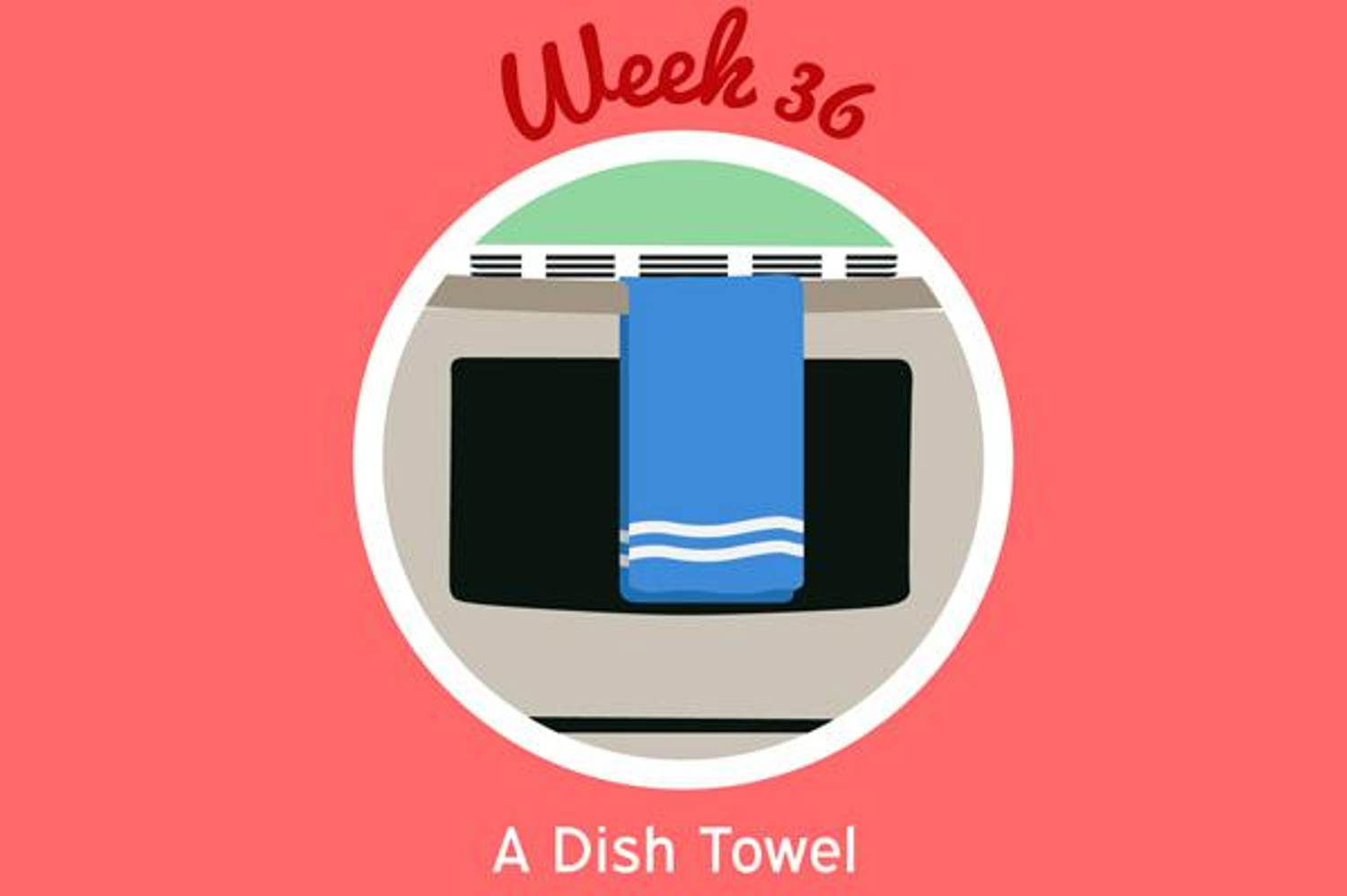
You're almost at full term, and your baby weighs about 6 pounds and measures roughly 18.5 inches long. Comfort may be a distant memory for you as your baby settles into birthing position.
Tip of the week:
There isn't a lot you can do in the way of prevention for pelvic pain during pregnancy, but there are ways to alleviate it. First, you can try a pelvic support belt to help take some of the pressure off of your groin. Also, you can try taking a warm bath or getting a prenatal massage to soothe muscles. Finally, some women find it helpful to exercise in spite of discomfort, because this can strengthen the pelvic muscles and potentially promote healing of the area after birth.
Inside, she's getting ready for her grand entrance by shedding her downy coat of hair and the protective waxy substance called vernix caseosa from her skin and swallowing these substances. In about four months, she'll pass the insulating materials through her system, producing tar-like meconium, which will make up her first bowel movement.
Additionally, your baby is likely positioning herself for delivery, turning with her head resting toward your birth canal. She may also be pretty content in her usual upright position and a little reluctant to turn. If she is in this breech position, you and your health care provider will probably discuss the possibility of a cesarean section.
Your health care provider may try to coax a turn from the outside by pressing on your belly, a procedure called external cephalic version (ECV). ECV is successful about 58 percent of the time and may enable you to avoid a cesarean section. However, there is a risk that the procedure can cause the placenta to detach from the uterine wall or result in a dropped heart rate for your baby. Both cases would make immediate delivery necessary, so the procedure should be performed in a facility equipped for emergency cesarean section.
Whether or not your baby is in prime birthing position, you're probably constantly reminded of her impending arrival by pelvic pressure and discomfort. In fact, some women say it's like carrying a bowling ball between their legs. It's no wonder considering the heft of your baby. On top of that, your ligaments are pretty soft by now in preparation, which means that they're stretching and you're feeling it in the groin.
In most cases, pelvic pressure and discomfort are normal. However, if pain is intense and combined with symptoms like fever or bleeding, you should call your health care provider promptly.







Popular
1
Bye, Bye, Itch! Managing Chronic Hives at Home
Sep 23, 2026
2

3

4

Biologics for Treating Asthma
Sep 22, 2026
5

4 Things That Pain in Your Left Boob Might Mean
Aug 31, 2021
6

10 Signs You Have a Leaky Gut—and How to Heal It
Nov 26, 2013
Support Our Mission
Keep Trusted Women’s Health Information Free
Your donation ensures every woman continues to have access to credible health content.More Stories





Everything you need to know about women’s health — in one place.