
Search
Latest Stories


Newsletter Sign-Up
Newsletter
Q:
I'm noticing a drop in sexual desire, but I don't want to use hormones, drugs or herbs. Are there any alternatives?
A:
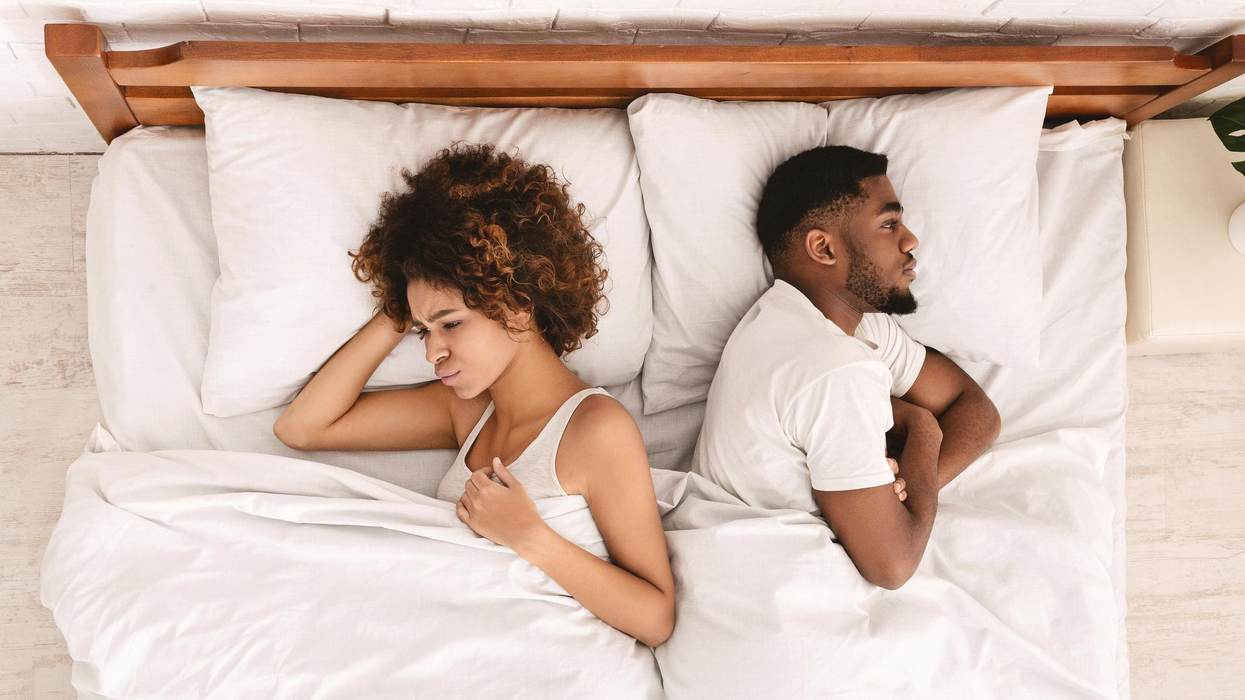
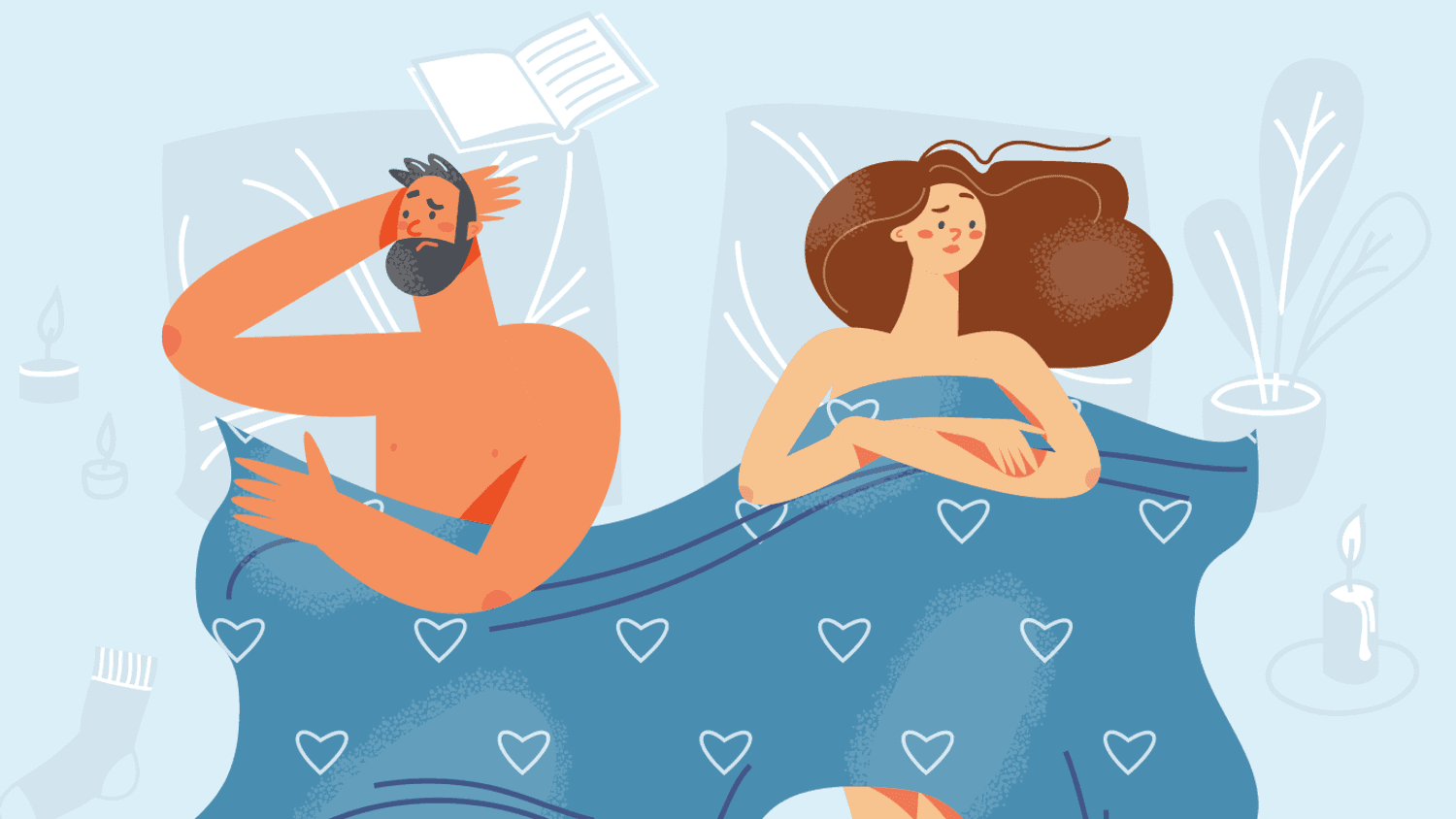
Sexual desire involves a lot more than hormones, as you no doubt came to realize long ago. The quality of your relationships, your upbringing, how you feel about your body, the amount of stress you have, whether you are depressed and how much sleep you're getting all play a huge part. Try to assess how long you've had this problem. Is it constant, or does it come and go? For some perimenopausal women, hormone levels can zigzag from month to month, causing temporary problems that may disappear on their own, only to reappear again. If that's not your situation, make a list of what's going on in your life that may be dampening your enthusiasm for sex. If you have a partner talk openly about your concerns and ask for feedback. Remember that when you don't discuss these things, your partner may misinterpret your lack of interest as rejection.
You can also consider doing some of those things that you should be doing anyway, like losing a little weight, cutting back on fatty foods, or drinking less alcohol. These steps may help a lot. And then there's exercise which increases blood flow throughout your body, including the genital area. If sleep deprivation is on your list, try some relaxation. Take the time and trouble to set up romantic interludes. Rethinking your priorities may mean putting a romantic weekend getaway at the top of your to-do list.
Another option is a consultation with a certified sex therapist or a counselor who can tailor a program to your situation and recommend effective exercises to help you increase intimacy. Some therapists encourage overstressed women (in otherwise healthy relationships) whose libidos are flagging to simply "do it." They believe that even if you're not in the mood, the act of having sex is likely to put you more in the mood. On the other hand, if you think depression, anxiety, or relationship problems are the barrier, consider therapy.
Make sure that your disinterest in drug therapy doesn't keep you from talking about this problem with your doctor. There are lots of medical issues beyond hormones that could be at work here—everything from chronic fatigue syndrome to depression to a serious vitamin or mineral deficiency. After going over your medical history for clues and making sure that none of your medications is the culprit, your doctor may refer you to a specialist for more help. Be sure to bring along some notes so you can discuss what you've tried on your own.






Popular
1

Perimenopausal Breast Tenderness
Sep 18, 2009
2
Honeymoon Cystitis
Sep 21, 2009
3

Can I get pregnant while on birth control?
Sep 24, 2009
4
Hysterectomy and Lack of Sexual Urge
Sep 21, 2009
5
Hysterectomy and a Lack of Orgasm
Sep 21, 2009
6
Vaginal Bleeding After Intercourse
Sep 21, 2009
Support Our Mission
Keep Trusted Women’s Health Information Free
Your donation ensures every woman continues to have access to credible health content.More Stories


Everything you need to know about women’s health — in one place.