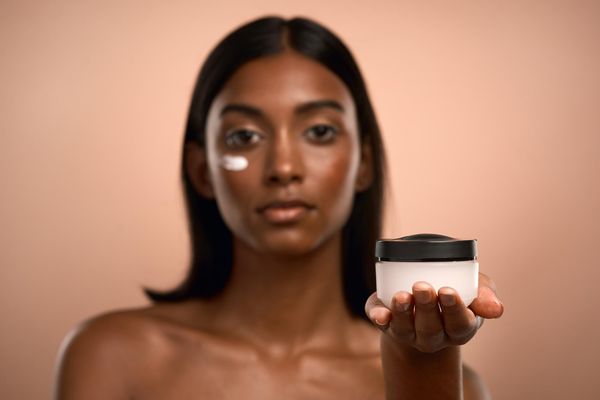

When is the last time you thought about your skin beyond worrying over a wrinkle or praying that a pimple would be gone before an important event? The reality is that your skin is far more than just a top layer to be washed, creamed and made up. Your skin is your body's primary defense system against disease. As such, it might be time you treated it with more respect.
Skin: the basics
Your skin is your body's largest organ. It provides a thin, yet very effective, barrier to billions of health threats (called pathogens) found in the world that would love nothing more than to sneak past your skin's defenses and make you sick. But if you don't take care of your skin on a daily basis, it may become dry, rough and chapped, providing an opening for pathogens that could harm your health.
Skin plays other roles in your overall health, as well. It helps keep you cool or warm, insulates you, stores energy and provides sensation through touch so you can interact with the outside world beyond what you see and hear.
Maintaining skin health
Numerous things in the environment are harmful to your skin. Environmental pollution, ultraviolent light (sunshine), extreme temperatures, wind, sweating and using the wrong skin products can all damage that important outer layer.
The good news is that you have the power to maintain healthy skin. Among the steps you can take:
- Protect your skin from the sun. That means using an SPF 30 sunscreen on your face every day, even on days you don't plan to leave the house or office and even on days the sun doesn't shine. That's because you're still exposed to damaging ultraviolet rays through windows and clouds. Thankfully, today it's easy enough to ensure sunscreen coverage; many moisturizers and even liquid and powder makeup contain sunscreen.
When you are in the sun, slather on the sunscreen. You should use enough to fill a shot glass each time you apply it (in fact, how about keeping a shot glass in your beach bag?). And wear a broad-brimmed hat; those baseball caps might be cute, but they're not doing much to keep the sun off your ears and the back of your neck. - Protect your skin from dryness. The epidermis is made up of about 30 percent water, much of which is bound in the lipids that help prevent the water from evaporating. You can increase your skin's ability to bind water by using a good-quality moisturizer. Natural moisturizing ingredients include citrate, various minerals, urea, lactate and amino acids.
- Clean your skin properly. Water alone won't do it. You need something to clear out the oily residue that can clog pores and lead to pimples. Compounds that do this are called surfactants. But stay away from soap; most soaps are alkaline, which can change the delicate pH balance of your skin and cause itching, redness, flaking and dryness. Instead, opt for liquid cleansers and cleansing creams with natural ingredients like beeswax and mineral oil to dissolve dirt. Other moisture-replenishing ingredients include vegetable and fruit oils and less-irritating surfactants such as coconut oil (cocamidopropyl), amphoteric surfactants, alkyl ether sulfates and alkyl glyceryl ether sulfonate.
Also chill out on how you wash your skin. Ditch the rough exfoliating buffer or washcloth and opt instead for just splashing warm water on your skin to remove the cleanser or using a soft cloth. You also don't need to wash your face more than twice a day. And make sure you wash with warm—not hot—water. - Check your skin carefully. If you're 40 or older, you should have a health care professional perform a total body scan every year to look for any signs of skin cancer. If you're younger, you should get a body scan every three years. And all women should examine their own skin periodically.
Remember, your skin is one of the most important components in your quest for good health. Just as you take care of your body from the inside out by eating well and exercising, you need to take care of your body from the outside in, by protecting your skin as that all-important barrier.