

Search
Latest Stories





Newsletter Sign-Up
Newsletter


(HealthDay News)—Stress is typically broken down into two categories: acute stress and chronic stress.
Acute stress is short-term stress. Chronic stress is long-term stress. Examples of acute stress would be any stress you suffer from for a short period of time—like a traffic jam, an argument with your spouse, criticism from your boss or someone breaking into your house when you aren't there.
But if you're a bus driver and you get stuck in numerous traffic jams every day, or you're in a bad relationship and you argue with your spouse constantly, or you work for a toxic boss, or you live in a high-crime neighborhood and break-ins are relatively common, these are all examples of acute stress that can turn into chronic stress.
The body is good at handling episodes of acute stress. We're designed to recover quickly from short-term stress. That's how many mental health experts define resilience: How quickly you recover from an acute episode of stress. Your blood pressure, heart rate, breathing rate and levels of muscle tension may skyrocket for a short while. If you're young (and/or) healthy and in good shape, these markers of stress quickly return back to their normal levels.
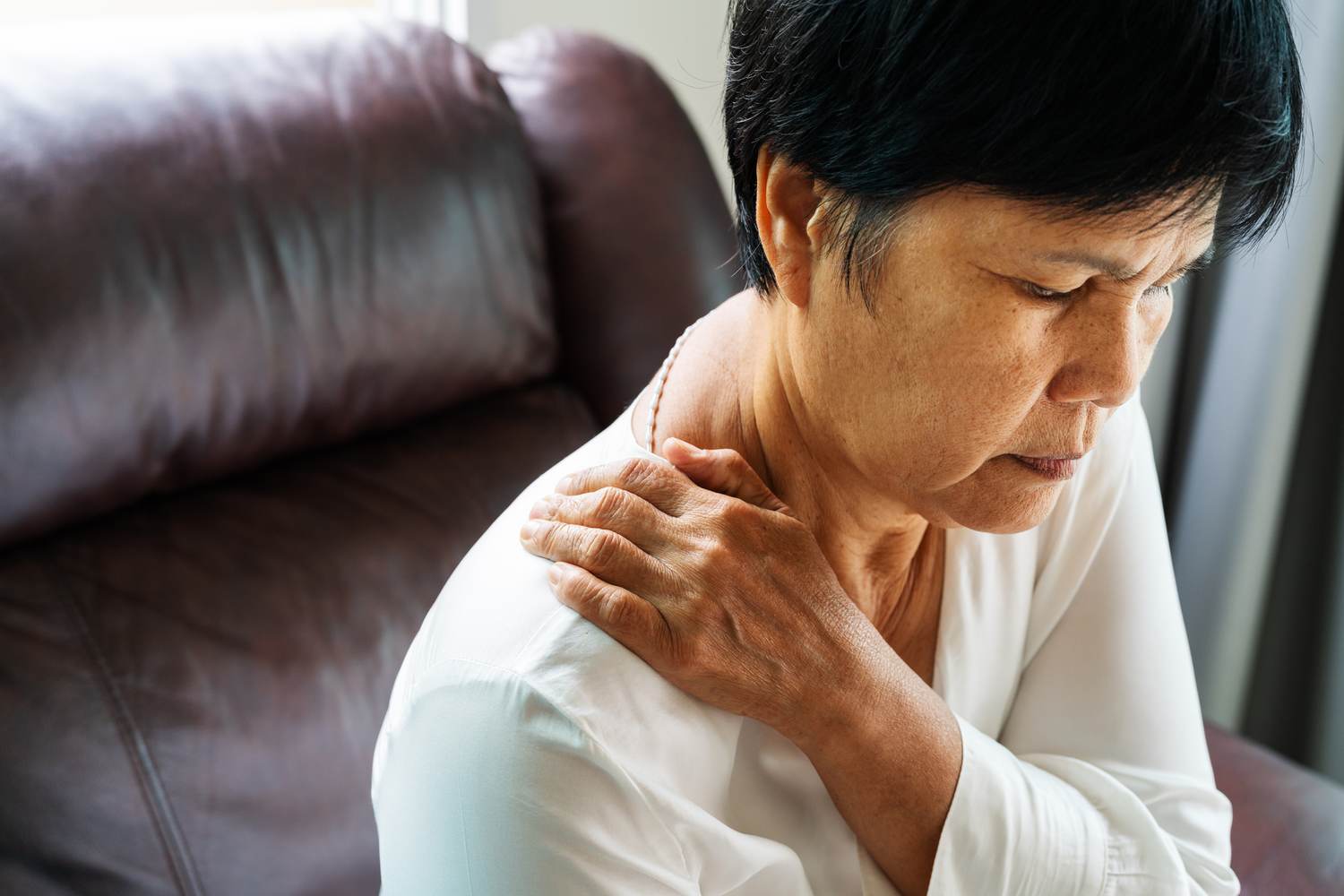
The body isn't so good at handling chronic stress, however. Over time, chronic stress gradually increases your resting heart rate, blood pressure, breathing rate and levels of muscle tension so the body now has to work even harder when it's at rest to keep you functioning normally.
In other words, chronic stress creates a new normal inside your body. And this new normal can eventually lead to a host of health problems, including high blood pressure, heart disease, chronic pain and depression.
If you're dealing with chronic stress, try improving your coping skills with exercise, meditation, yoga or even a simple relaxation technique like deep breathing. If you can set aside a certain amount of time each day (start small) for one or more of these activities, you'll find that you'll get better and better at handling stress.
— James Porter, president of StressStop.com
Copyright © 2017 HealthDay. All rights reserved.






Popular
1

Why Some Women Don’t Have Orgasms
Nov 01, 2021
2

3
Microdosing Mushrooms — Magic or Meaningless?
Oct 03, 2024
4

Good Sex with Emily Jamea: Sex After Celibacy
Aug 10, 2022
5

6
WomenTalk: Understanding ADHD
Oct 14, 2026
Support Our Mission
Keep Trusted Women’s Health Information Free
Your donation ensures every woman continues to have access to credible health content.More Stories







Everything you need to know about women’s health — in one place.