
Search
Latest Stories

Newsletter Sign-Up
Newsletter
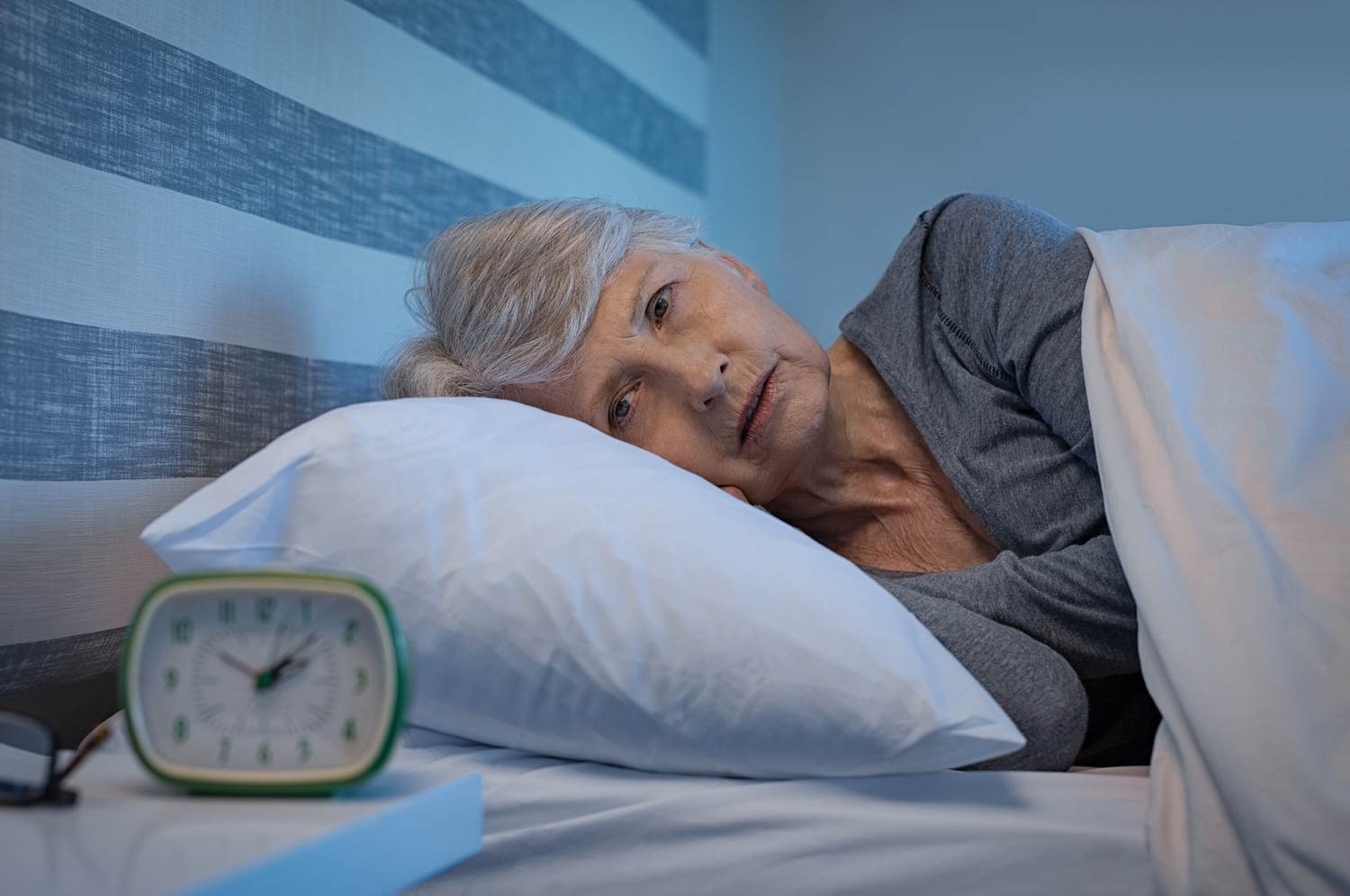
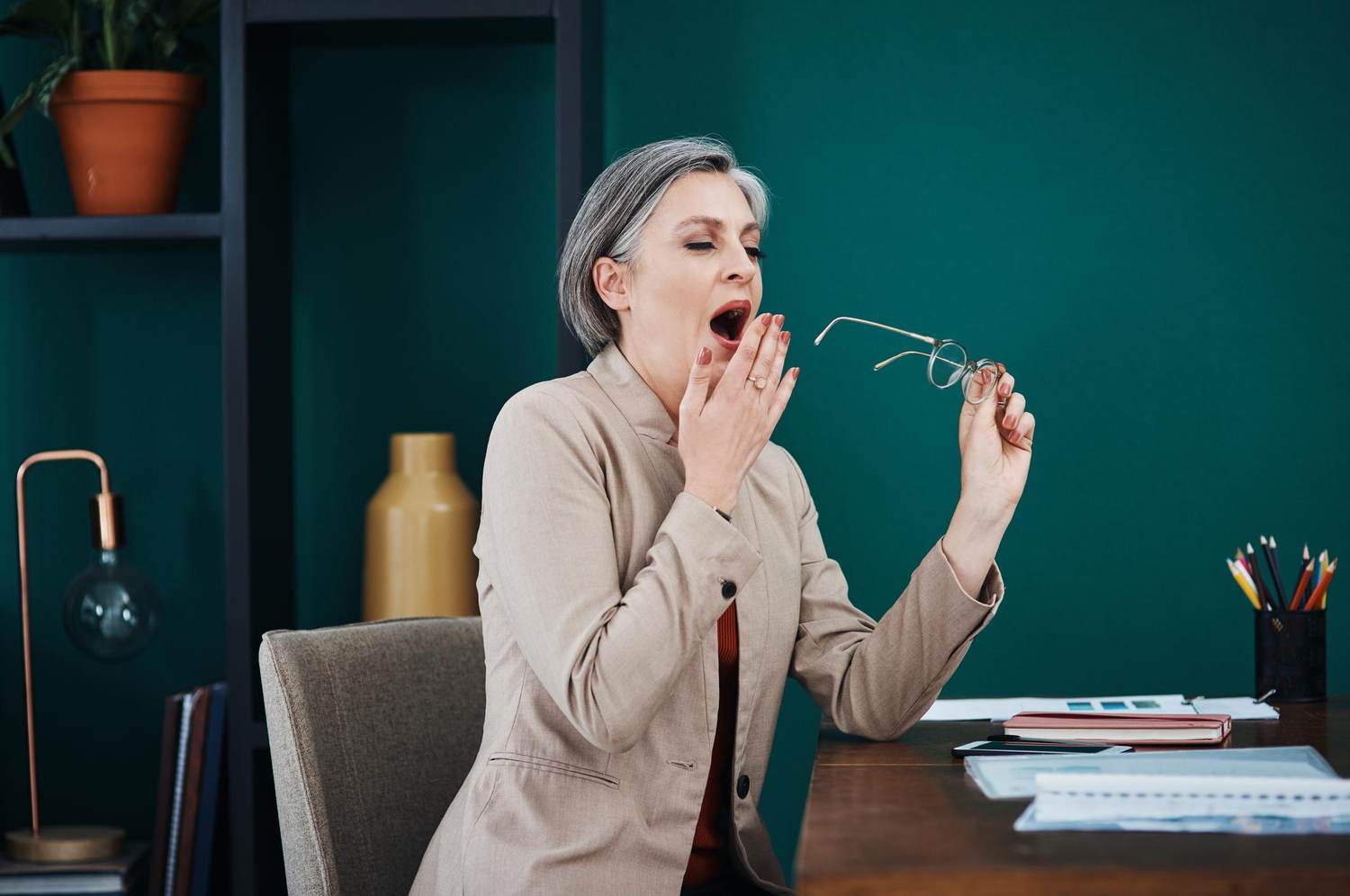
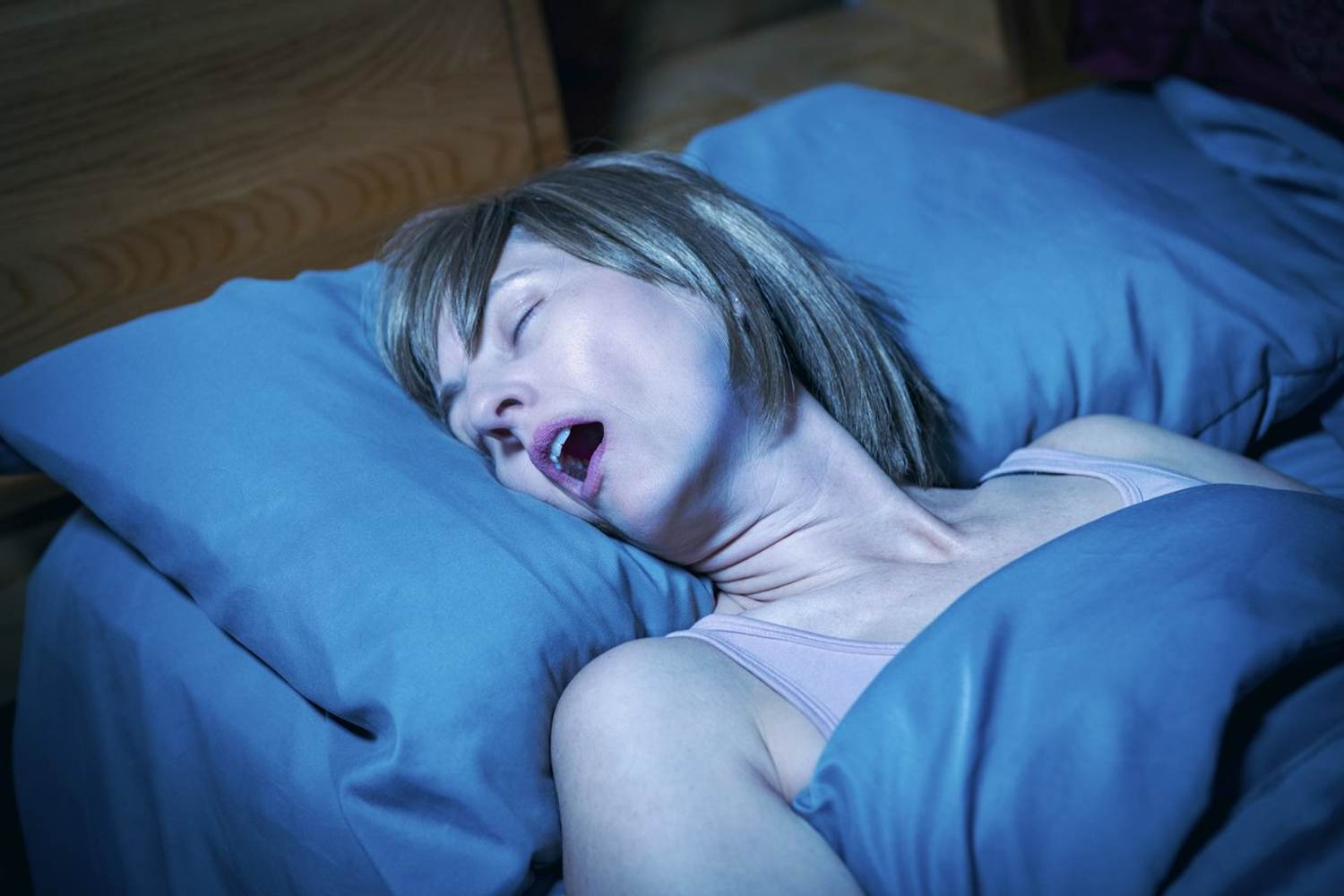
Whether it's the distractions from sounds coming in through open windows, the whine of the air conditioning unit or too many happy hours, sleep can be especially tricky for many of us in the summer months.
But we need our sleep and we need it to be good quality sleep, to boot: Sleep not only helps bolster your immune system, but it boosts your concentration and energy the next day. Plus, research demonstrates that sleep disruption affects your health, both in the long-term and short-term — affecting everything from your weight to your ability to fight off disease.
Want to improve your summer slumber? Here are 5 tips for better sleep in the summer:
- Stick with a consistent bedtime. It's a bit more challenging in the summer because you may take vacations or have an overall more relaxed schedule. But staying up late can throw your sleep pattern out of whack and make it tough to get back on track. Maintaining a consistent sleep schedule helps maintain the timing of your body's natural internal clock, which helps you fall asleep more easily and wake up more refreshed. If you're tired and need to nap during the day, do not sleep for more than 60 minutes.
- Be aware of your caffeine, alcohol and food consumption. All three can mess with your sleep — especially considering that summertime is the perfect time to relax your habits. It's not only what you eat and drink but when you eat and drink that can sabotage your sleep. The Cleveland Clinic says to avoid eating within two hours of bedtime. Try a glass of milk, tart cherry juice or chamomile tea and a light snack like a handful of nuts, popcorn or some oatmeal. And beware of nicotine and alcohol, which are both stimulants. Alcohol might help you drift off, but later in the night it will cause you to wake up frequently. As for caffeine, cut it off at least four to six hours before you turn in.
- Block the noise and light. It's lovely to sleep with the windows open (weather permitting), but noises from the outside (the birds chirping sound beautiful, except when you're trying to sleep) and early morning light can interfere with your sleep. Minimize those noises with earplugs and wear an eye mask to block out the light. If you get up in the middle of the night, resist turning on the light; instead, use a small nightlight.
- Stay cool. You're well aware that summertime can get hot — especially if you're perimenopausal. The best temperature for sleep is between 60°F to 65°F (15.6°C to 18.3°C.). You can achieve this with air conditioning, but if you don't have it, you can make a DIY air conditioner by placing a shallow pan or bowl of ice in front of a fan.
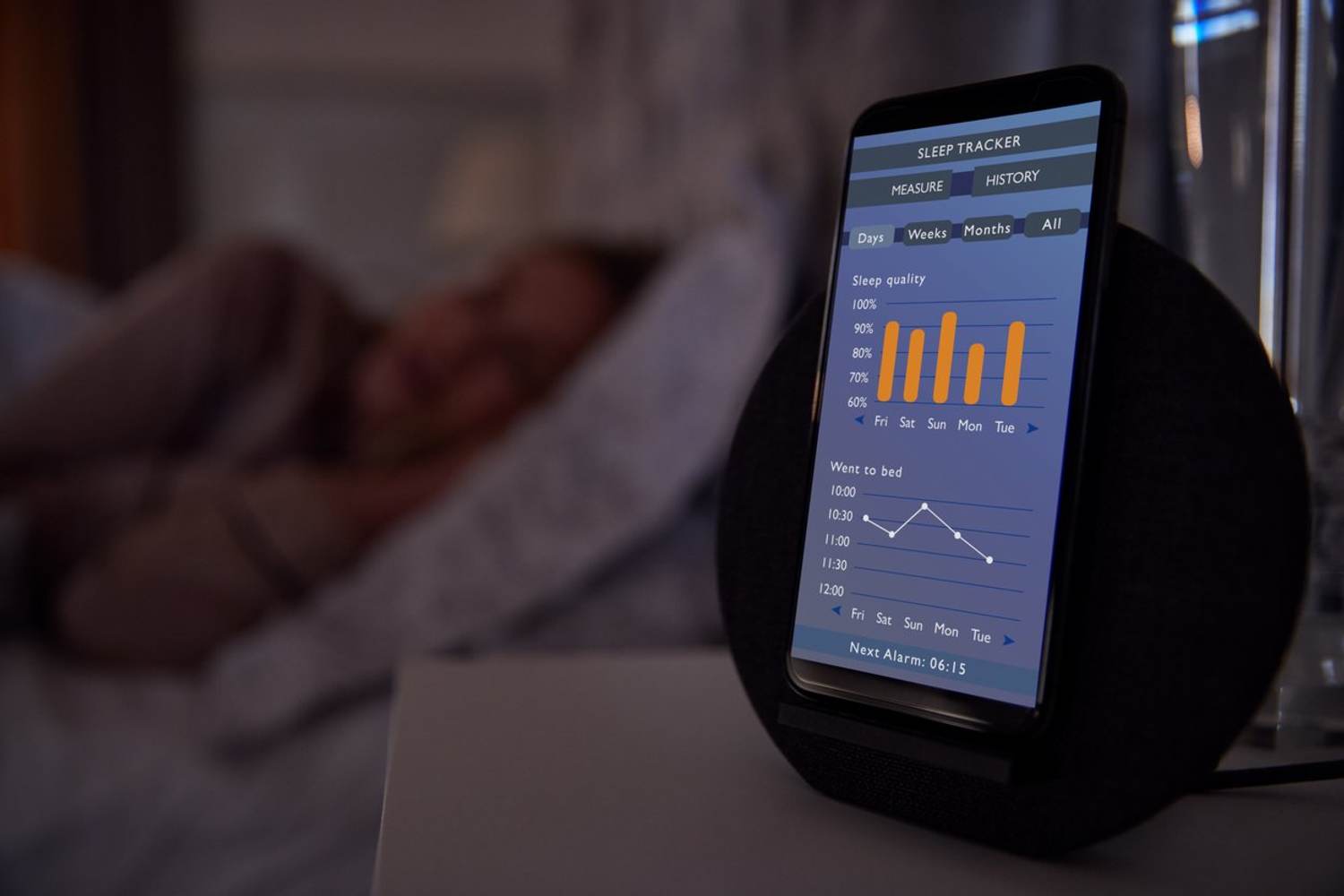
- Pay attention to the light. Brightness and darkness has a tremendous impact on your sleep. Exposing yourself to natural light first thing in the morning and during the day helps wake your brain and regulate your sleep patterns. But at night, light disrupts your body's circadian rhythm (your 24-hour sleep/wake cycle) and can make it harder to sleep because it suppresses the sleep-inducing hormone melatonin. Avoid light from your television, iPad, smartphone and computer right before bedtime, and if you have an alarm clock that lights up, turn it away from you.






Stories We Love
1
True or False: Sleep
Mar 31, 2026
2
Sleeping Pills May Harm Your Brain
Mar 19, 2025
3
4
Treatment Options for Insomnia
Jun 13, 2024
5
Much Ado About Magnesium
Mar 27, 2024
6
Try a Sleep Tracker for Better Health
Mar 21, 2024
Support Our Mission
Keep Trusted Women’s Health Information Free
Your donation ensures every woman continues to have access to credible health content.
More Stories



Everything you need to know about women’s health — in one place.