
Search
Latest Stories



Newsletter Sign-Up
Newsletter
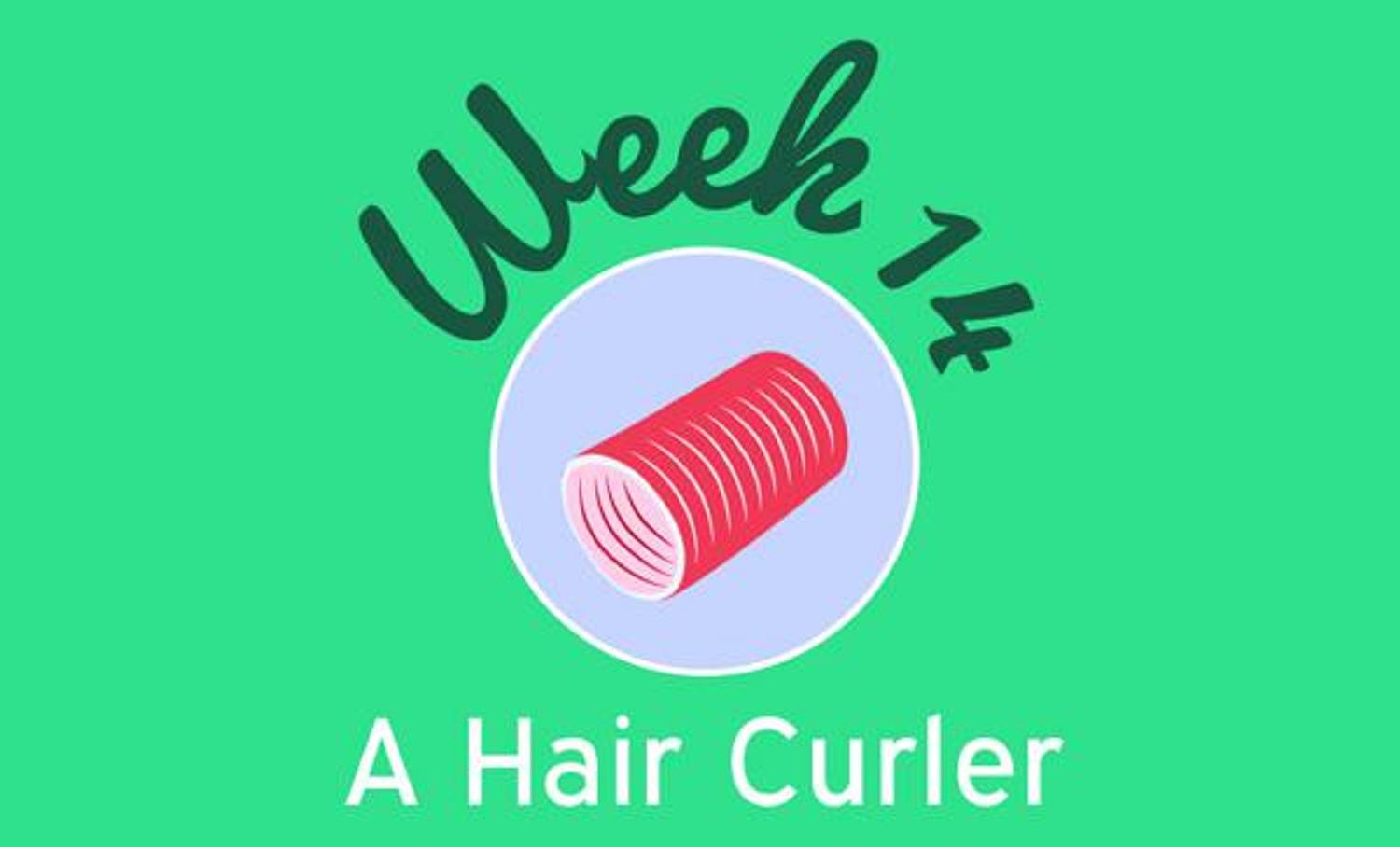
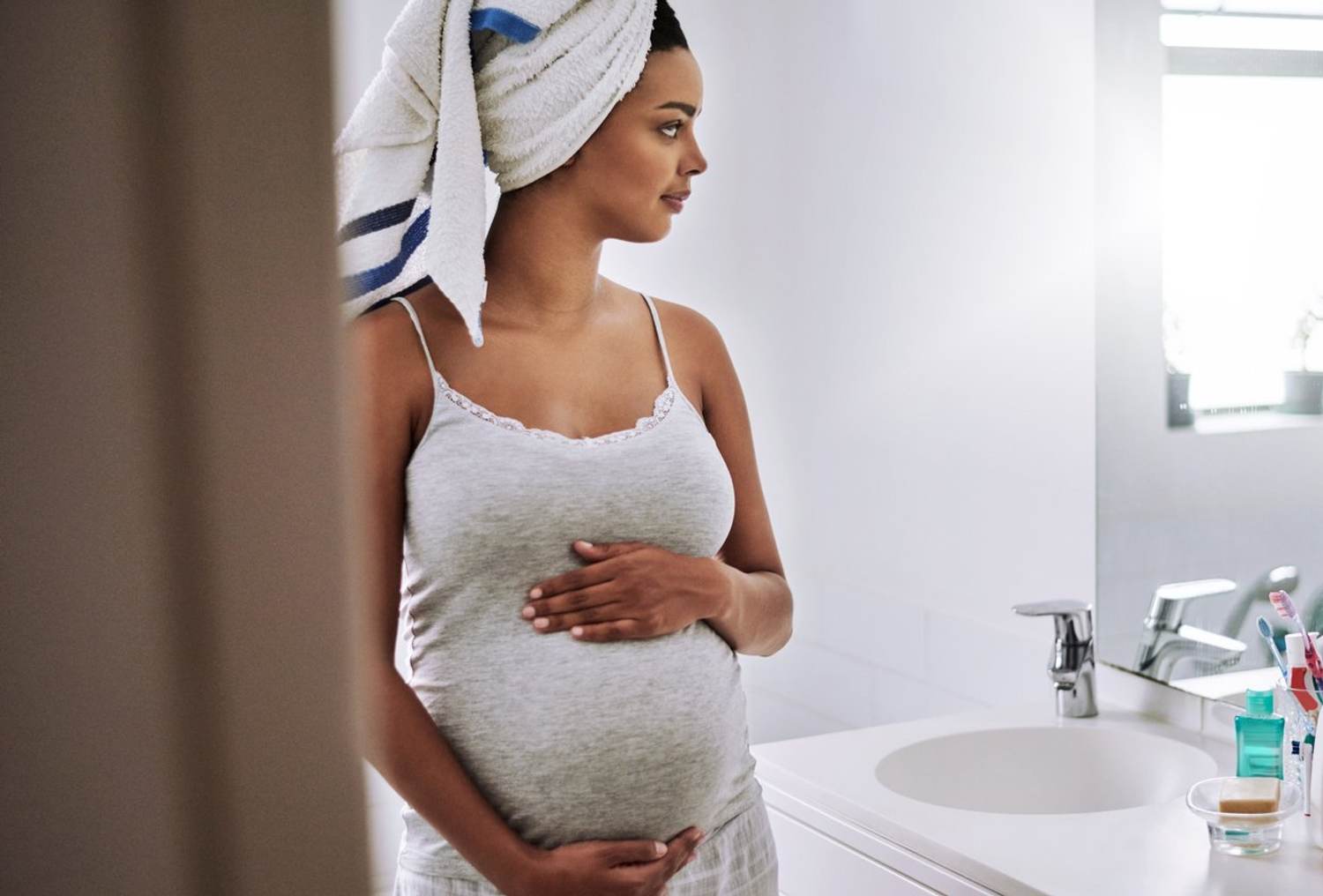
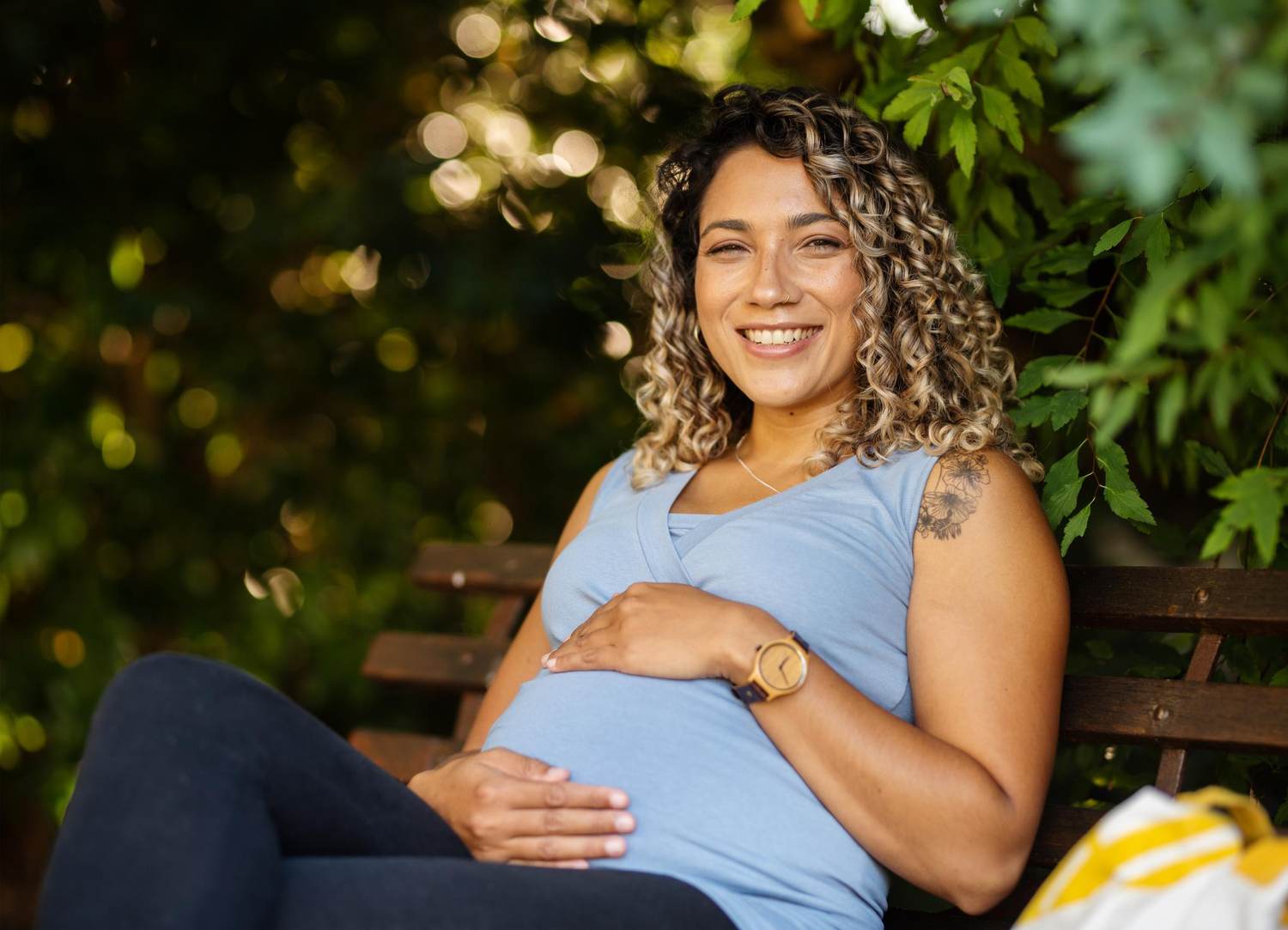
In week 14 of your pregnancy, your little one is about the size of a hair curler and is gaining more abilities as the days go by. As these important developments occur, you'll become more noticeably pregnant, garnering more attention from friends and strangers alike. There's a lot to celebrate this month.
Tip of the week:
Now that your energy levels are up, you may be more inclined to get back to your exercise routine. While the benefits of physical activity during pregnancy are significant, you should take some precautions. For example, it's generally recommended that pregnant women avoid bouncing, leaping or doing anything that may induce sudden up-and-down movement. Additionally, steer clear of making sudden changes in direction while jogging or running, and don't do anything that could induce abdominal injuries. Swimming, walking and prenatal yoga are great, gentle exercise options.
By now, your baby can curl her tiny hands into fists, which may soon be punching at the walls of your uterus. She is getting pretty good at moving around in fluid motions. She can also make several facial expressions, and the roof of her mouth is well on its way to being fully formed.
Further down, her kidneys, liver and spleen are starting to work, producing urine, bile and red blood cells, respectively. Her intestines are already making the first bowel movement she'll have once you give birth: a dark, tar-like stool called meconium.
But here's something a little more pleasant to think about: Now is about the time when most women see their morning sickness start to wane, and breast tenderness may also begin to disappear, even as your cup size continues to increase. Hopefully this regained ability to enjoy food and foreplay will give your quality of life a major boost as your belly expands.
Additionally, women who have been plagued by fatigue during the first trimester may soon experience relief. In the first weeks of pregnancy, the body is hard at work making a placenta. Now that your baby's placenta is fully formed, you're using less energy.
Want some even more good news? Your risk of miscarriage drops significantly when you reach week 14 because most of these pregnancy losses occur during the first trimester. However, very new lives are always vulnerable, so continue to eat right, keep stress levels low, maintain a healthy weight, take your prescribed vitamins and supplements, exercise regularly and avoid alcohol and tobacco.
Read more:
Tips for Your Second Trimester
What Exams to Get During Your Second Trimester?
What Is Preeclampsia?






Stories We Love
1

4 Women’s Health Documentaries to Watch Right Now
Oct 22, 2026
2
New Tools Aim to Predict Preeclampsia
Aug 13, 2025
3
Know the Signs of Preeclampsia
Jul 24, 2025
4
5
6
Support Our Mission
Keep Trusted Women’s Health Information Free
Your donation ensures every woman continues to have access to credible health content.
More Stories

Everything you need to know about women’s health — in one place.