

Search
Latest Stories



Newsletter Sign-Up
Newsletter
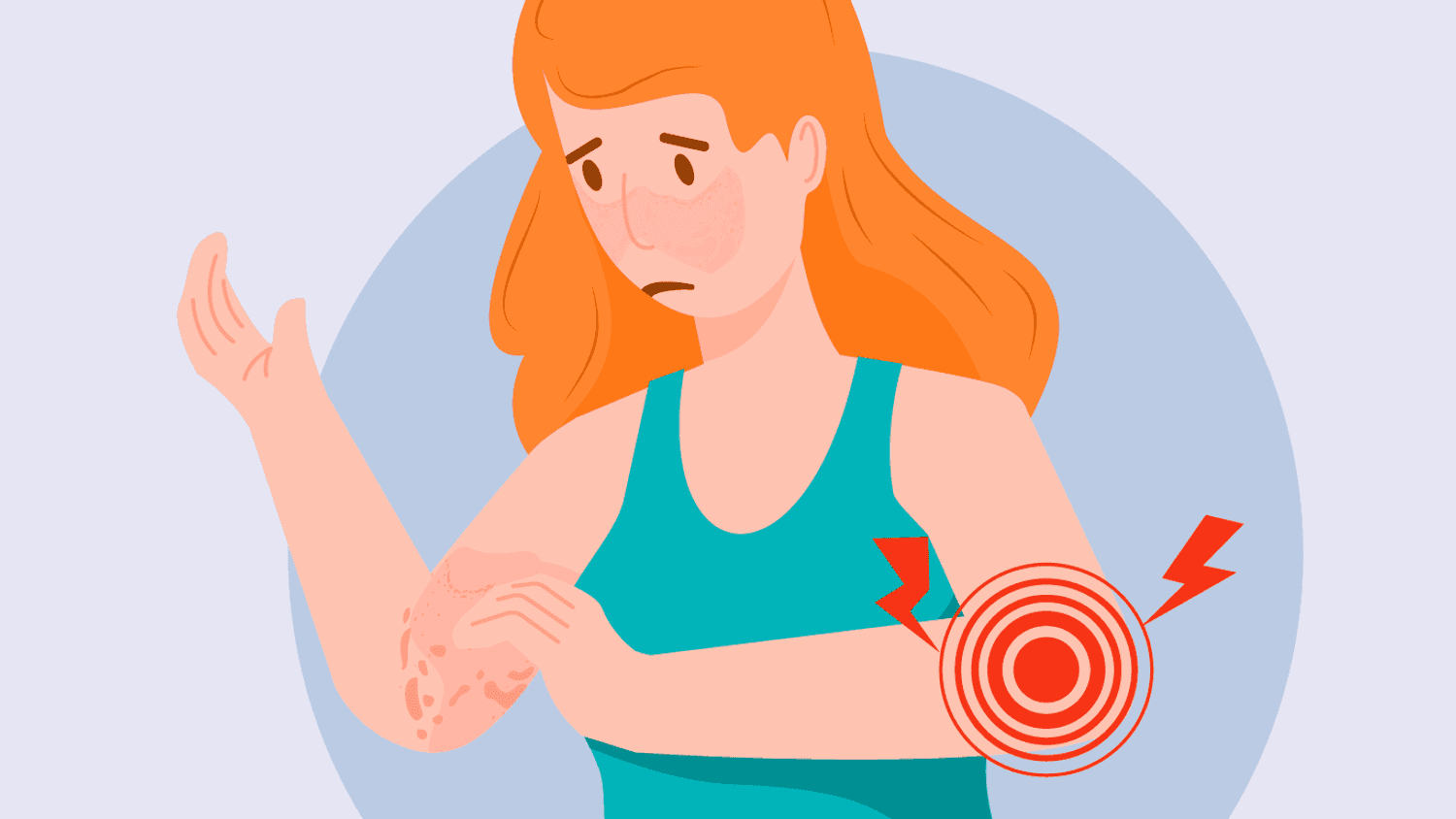
May is Lupus Awareness Month.
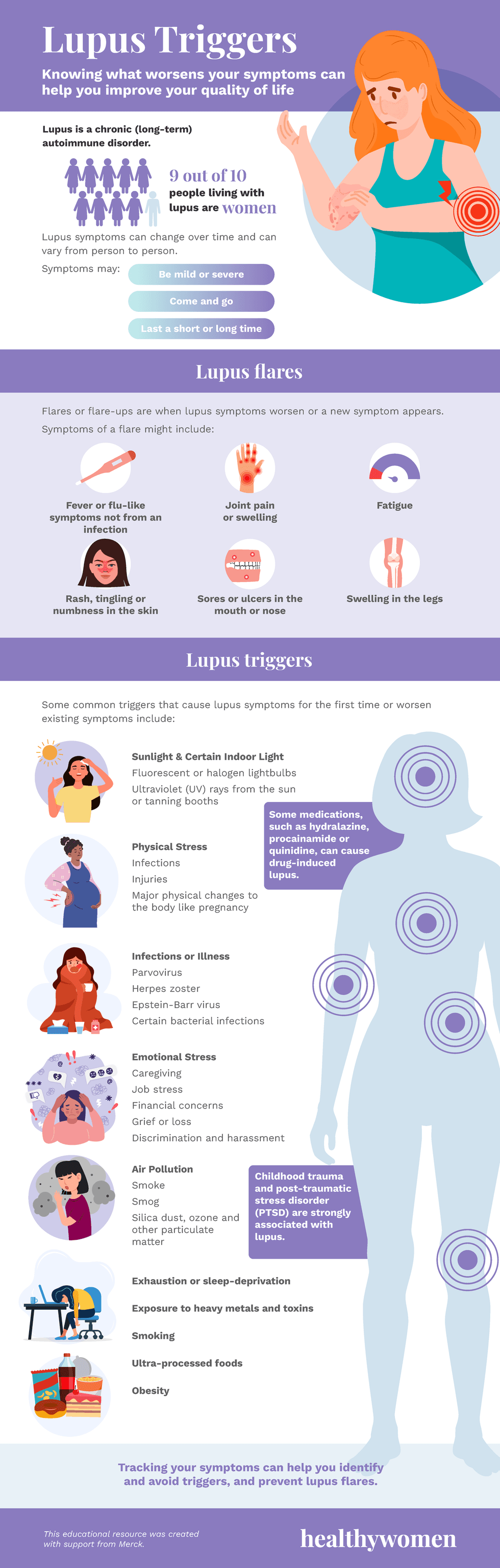
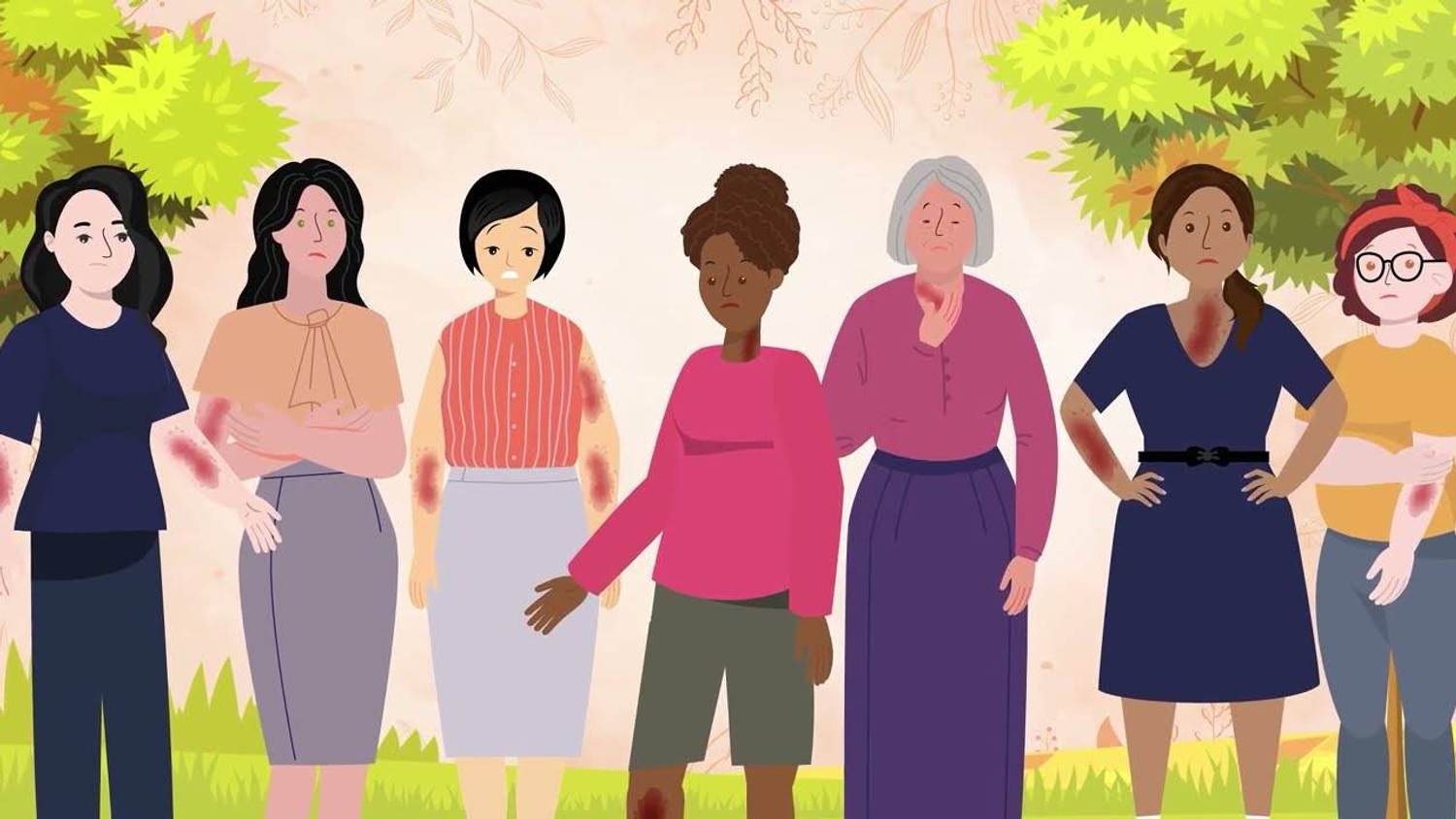
Lupus is a chronic (long-term) autoimmune disorder.
9 out of 10 people living with lupus are women.
Lupus symptoms can change over time and can vary from person to person.
Symptoms may:
Be mild or severe
Come and go
Last a short or long time
Lupus flares
Flares or flare-ups are when lupus symptoms worsen or a new symptom appears.
Symptoms of a flare might include:
- Fever or flu-like symptoms not from an infection
- Joint pain or swelling
- Fatigue
- Rash, tingling or numbness in the skin
- Sores or ulcers in the mouth or nose
- Swelling in the legs
Lupus triggers
Some common triggers that cause lupus symptoms for the first time or worsen existing symptoms include:
- Sunlight & Certain Indoor Light
- Fluorescent or halogen lightbulbs
- Ultraviolet (UV) rays from the sun or tanning booths
- Medications Some medications, such as hydralazine, procainamide or quinidine, can cause drug-induced lupus.
- Physical Stress
- Infections
- Injuries
- Major physical changes to the body like pregnancy
- Infections or Illness
- Parvovirus
- Herpes zoster
- Epstein-Barr virus
- Certain bacterial infections
- Emotional Stress
- Caregiving
- Job stress
- Financial concerns
- Grief or loss
- Discrimination and harassment
Childhood trauma and post-traumatic stress disorder (PTSD) are strongly associated with lupus.
- Exhaustion or sleep-deprivation
- Air Pollution
- Smoke
- Smog
- Silica dust, ozone and other particulate matter
- Exposure to heavy metals and toxins
- Smoking
- Ultra-processed foods
Tracking your symptoms can help you identify and avoid triggers, and prevent lupus flares.
This educational resource was created with support from Merck.







Popular
1

2
What Is Chronic Spontaneous Urticaria (CSU)?
Jun 29, 2026
3
¿Qué es la urticaria crónica espontánea (UCE)?
Jun 29, 2026
4

Metabolic Syndrome 101
Sep 28, 2026
5
Comic: Edna Gets an Endoscopy
Aug 05, 2026
6
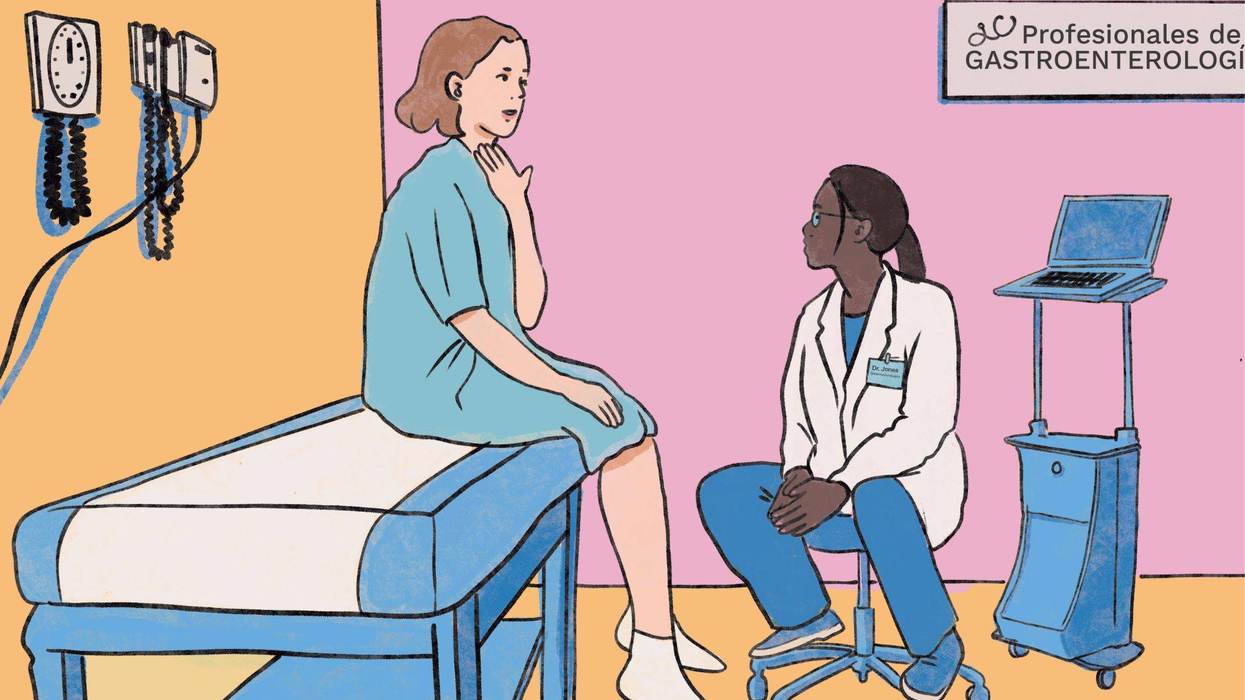
Historieta: Edna se hace una endoscopía
Aug 05, 2026
Support Our Mission
Keep Trusted Women’s Health Information Free
Your donation ensures every woman continues to have access to credible health content.More Stories


Everything you need to know about women’s health — in one place.