

Search
Latest Stories



Newsletter Sign-Up
Newsletter
Q:
What is scleroderma?
A:
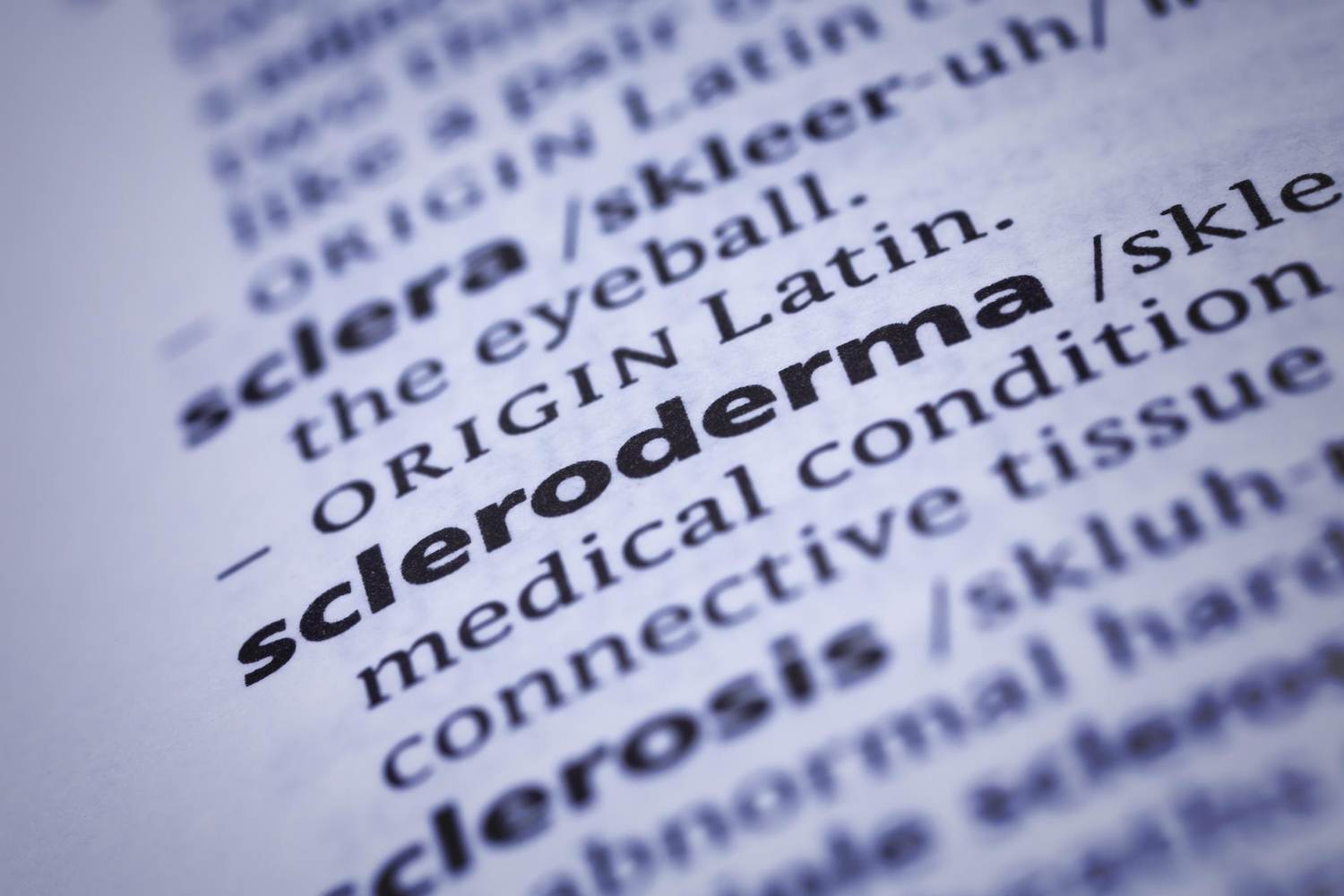
Scleroderma is a chronic, autoimmune disease that most often strikes women during middle age. It can cause hardening and thickening of the skin and attack the heart, lungs, kidneys and gastrointestinal tract.
The disease is caused by inflammation of small veins and arteries leading to overproduction of collagen in your connective tissue. Collagen is normally responsible for keeping your skin and organs supple, but when it is overproduced, it makes tissue thick and immobile.
Scleroderma literally means "hard skin," but the disease is most serious when it affects internal organs, hardening the tissues of the lungs, heart, kidneys, intestinal tract, muscles and joints. This stiffening can seriously harm the circulatory, digestive and respiratory systems. In some organs, the inflammation of blood vessels causes blockage of blood to the areas.
Read more:
What causes scleroderma?
How is scleroderma diagnosed?
How is scleroderma treated?
What special precautions do I need to take if I have scleroderma and want to have a baby?
How can I prevent scleroderma?







Popular
1

Perimenopausal Breast Tenderness
Sep 18, 2009
2
Honeymoon Cystitis
Sep 21, 2009
3

Can I get pregnant while on birth control?
Sep 24, 2009
4

Hysterectomy and Lack of Sexual Urge
Sep 21, 2009
5

Hysterectomy and a Lack of Orgasm
Sep 21, 2009
6

Vaginal Bleeding After Intercourse
Sep 21, 2009
Support Our Mission
Keep Trusted Women’s Health Information Free
Your donation ensures every woman continues to have access to credible health content.More Stories








Everything you need to know about women’s health — in one place.