Slide 1
Myths and Facts about COPD
How much do you know about chronic obstructive pulmonary disease?
Slide 2
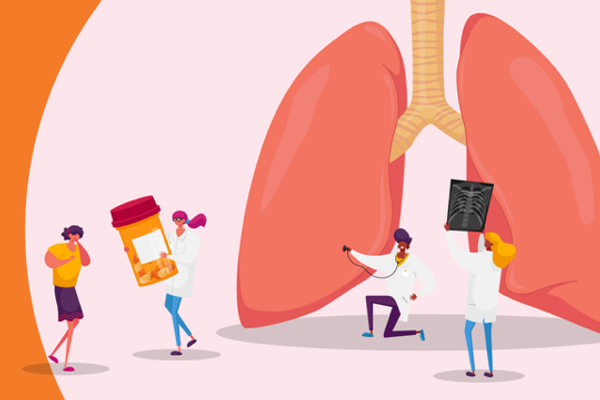
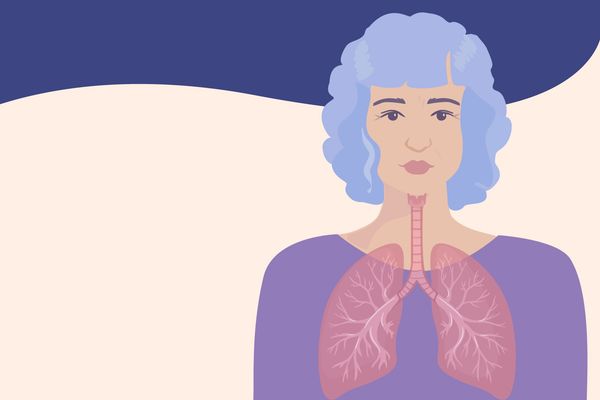
Chronic obstructive pulmonary disease (COPD) is a group of chronic lung diseases, including emphysema and chronic bronchitis.
Slide 3
Myth: COPD is a man’s disease.
Fact: More women have COPD than men.
- Women are diagnosed at younger ages
- Women who smoke are 50% more likely to develop COPD than men who smoke
Slide 4
Myth: Only smokers get COPD.
Fact: You can get COPD even if you’ve never smoked. Other risk factors for COPD include genetics and exposure to:
- Secondhand smoke
- Pollution
- Cleaning products
- Chemicals/sprays
Slide 5
Myth: You can’t exercise if you have COPD.
Fact: Regular exercise — even if it’s light — is helpful for people with COPD.
It can help improve your:
- Self-esteem
- Shortness of breath
- Use of oxygen
- Feelings of anxiety, stress and depression
- Muscle strength
- Cardiovascular fitness
- Sleep
- Energy levels
Slide 6
Myth: COPD is easy to diagnose.
Fact: COPD is hard to diagnose because it shares symptoms with other lung conditions, heart failure or a pulmonary embolism.
Other reasons include:
- Not seeing a specialist with expertise in COPD (a pulmonologist)
- Not getting a spirometry test, the gold standard for diagnosis
Slide 7
Myth: COPD symptoms are the same for every person.
Fact: Not everyone experiences the same symptoms.
The most common COPD symptoms are:
- Long-term cough
- Shortness of breath
- Coughing up phlegm or mucus
- Wheezing or chest tightness
- Fatigue or tiredness
- Feeling like you can’t breathe
Slide 8
Myth: There’s no treatment for COPD.
Fact: COPD can’t be cured, but treatment can help reduce complications and manage symptoms.
Treatment options can include:
- Bronchodilators
- Steroids
- Medications like anticholinergics, biologics and PDE4 inhibitors
- Supplemental oxygen
- Lung or endobronchial therapy
- Pulmonary rehabilitation
Slide 9
Myth: You don’t need to quit smoking if you have COPD because the damage is already done.
Fact: Quitting smoking can help improve your symptoms and quality of life.
Within 9 months of quitting, you’ll see improvement in coughing and shortness of breath.
Slide 10
It’s important to see a pulmonologist for proper diagnosis and treatment of COPD. Be sure to talk to your healthcare provider if you have symptoms.
This educational resource was created in partnership with COPD Foundation and with support from Regeneron and Sanofi.