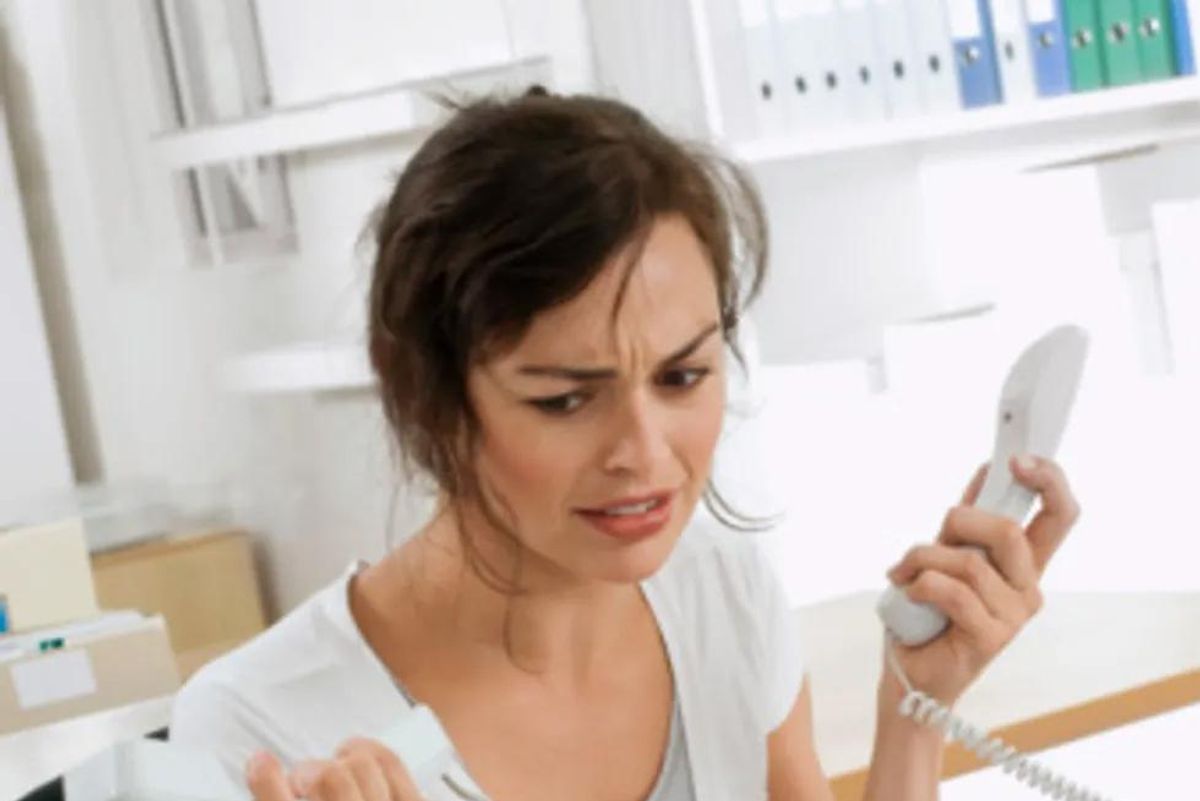
Remember those times that you really wanted to stay cool, calm and collected—and next thing you knew, big dark rings of sweat formed under your armpits and your palms felt all clammy?
As you may know, stress—as well as heat and physical activity—can trigger the sweat glands. But, did you know that sweat from stress may cause an odor even worse than if you'd worked out at the gym or sat in the sun on a hot summer day? That's because stress produces a different type of sweat than the other two major causes of sweat.
Causes and Types of Sweat
Sweat from environmental heat or physical activity is produced by your eccrine sweat glands, while sweat caused by stress comes primarily from your apocrine glands.
You have 2 to 4 million sweat glands, most of which are eccrine glands. These glands cover most of your body but are concentrated on your palms, the soles of your feet, your forehead and cheeks, and, of course, your armpits. When your body temperature rises—from heat or movement—your autonomic nervous system signals the eccrine glands to secrete sweat. This sweat is made up mainly of water, with small amounts of proteins, lipids, salt and other substances. The perspiration on your skin cools your body as it evaporates. It also helps hydrate your skin and balance your body fluids and electrolytes.
Apocrine glands are found in areas where you have lots of hair follicles, such as your armpits and genital region. These glands are larger and secrete a thicker sweat that contains more lipids and proteins. When you're stressed, the glands force the sweat to the skin's surface. Scientists believe that this fattier sweat produces more nutrients for bacteria to feast on, and, thus, more body odor.
Several recent studies found that participants could identify from the odor whether or not sweat samples were produced by someone experiencing emotional stress.
Stress-induced sweat can be triggered by sensory, emotional or mental stimulation such as loud noises, pain or mental challenges. A recent survey by HealthyWomen shows that the majority of us experience anxiety when we start sweating before a job interview (69.7%) or before a big work or meeting presentation (68.5%). Other sweaty moments that caused significant anxiety among those surveyed included running late for a meeting, going on a date, receiving constructive criticism at work and having a family confrontation.
And we all know that the holidays can be stressful—some would say they're the most stressful time of the year. More than one-third of respondents (36.2%) said that balancing work with seasonal activities was the most stressful part of the holidays. Does it make you sweat just thinking about it?
Sweat Solutions
For most of us, sweat is just an inconvenience—a flushed face, beads of sweat at inopportune times and stained or smelly clothes. An over-the-counter antiperspirant or deodorant usually takes care of the problem, and a clinical-strength antiperspirant offers extra protection against sweat caused by heat, activity or stress—whatever you may face. Here are some tips to help you decide what you need:
- Deodorants can eliminate and/or mask odors, but they don't stop perspiration. The alcohol-based deodorants make your skin more acidic and therefore less attractive to bacteria. They usually contain fragrances to help hide the bad odors. They may be used on your hands or feet, in addition to underarms.
- Antiperspirants temporarily block your sweat pores with aluminum-based compounds, so less sweat reaches your skin.
- Clinical-strength antiperspirants, also called extra-strength antiperspirants, are also available over the counter, though they cost a bit more. They may help if you feel like you sweat excessively or if you need protection from the unpredictable sweat that can be triggered by stress. Look for ones containing 12 percent to 15 percent aluminum chloride.
- Prescription antiperspirants contain higher concentrations of aluminum chloride hexahydrate. Some also contain ingredients to help dry sweaty areas. Prescription antiperspirants should be applied exactly as prescribed. They can cause red, swollen and itchy skin and should be washed off and discontinued if irritation occurs. They are not recommended for women who may be pregnant or breastfeeding.
- Botulinum injections into the underarms may significantly reduce or stop sweating in the underarms. These injections are relatively painless and last about six months. There are usually no side effects and treatments often are covered by insurance.
Here are some other things you can try to relieve perspiration problems:
- Apply antiperspirants at bedtime. Clinical-strength antiperspirants recommend bedtime application, but medical experts say that all antiperspirants work best when applied at night. You're less prone to sweat in your sleep, and the aluminum-based active ingredients are pulled into your sweat glands. The glands then produce less perspiration for the next 24 hours or so, even after you bathe. Blocking your pores with antiperspirant is not unhealthy, according to medical experts. You can apply antiperspirant at night to your underarms, hands or feet, as needed.
- Bathe regularly and dry thoroughly. Using an antibacterial detergent or soap will help keep bacteria on your skin in check. And be sure to dry thoroughly after you bathe to discourage growth of more bacteria—remember, it's the bacteria feasting on sweat that causes odors.
- Rotate your shoes. Most shoes won't dry completely overnight, so alternate your shoes if you have sweaty feet.
- Choose the right socks—and change them often. Sport socks and wool socks help keep your feet dry by absorbing moisture. When you're active, choose moisture-wicking athletic socks, which are usually synthetic material. Cotton tends to hold moisture and does not wick away sweat effectively.
- Relax. Try relaxation techniques such as yoga, meditation or biofeedback to help you control the stress that triggers sweat.
- Examine your diet. If foods or beverages cause you to sweat more than usual or cause unusual body odor, consider cutting back on such things as caffeinated drinks and foods with strong odors, such as garlic and onions.
Sweat Disorders
For some people, antiperspirants and lifestyle changes aren't enough. If sweating interferes with your daily life or you experience a sudden change in how much you sweat (too much or too little), talk to your health care professional about the problem. Changes in sweating can signal a medical problem.
You may have hyperhidrosis, a medical condition in which the body's cooling mechanism is overactive. To find out more about hyperhidrosis, visit the International Hyperhidrosis Society website.
If sweating stops suddenly while exercising in the heat, be aware that it can be a sign of heat exhaustion or heat stroke. Click here to read more about heat emergencies.