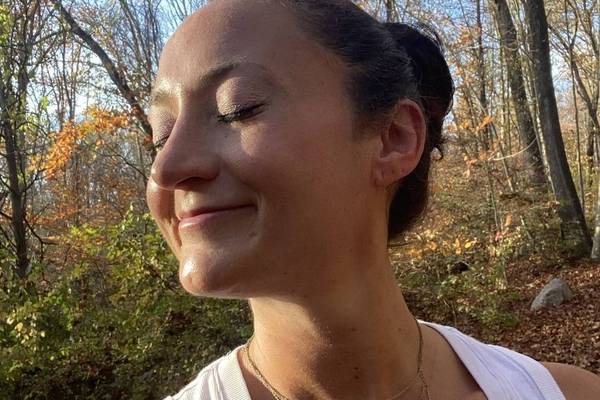
HealthyWomen Editors
The editorial team and staff of HealthyWomen.
Kim Ledgerwood
Editorial Director, HealthyWomen
As HealthyWomen’s editorial director, Kim oversees the production of all content and ensures that it is aligned with our mission, meets our high editorial standards and captures our brand voice.
Kim is an award-winning editor and copywriter with more than 25 years of experience. She started her career as a copywriter and broadcast producer at the Southeast’s largest full-service advertising agency, The Tombras Group. Since then, she has edited and written for a wide variety of clients, ranging from Fortune 500 companies to indie authors across multiple industries and topics.
She holds a bachelor’s degree in communications from the University of North Carolina, Chapel Hill, as well as a master’s degree in communications/advertising from The University of Tennessee, Knoxville.
Kim lives in Maryland with her husband, three children and a menagerie of pets.
Jacquelyne Froeber
Senior Editor, HealthyWomen
Jacquelyne Froeber is an award-winning journalist and editor. She holds a BA in journalism from Michigan State University. She is the former editor-in-chief of Celebrated Living magazine and has editing and writing experience for print and online publications, including Health magazine, Coastal Living magazine and AARP.org.
As a breast cancer survivor, Jacquelyne encourages everyone to perform self-exams and get their yearly mammograms.
Full Bio