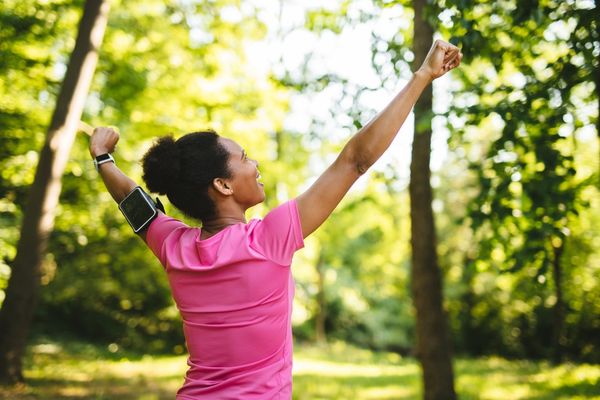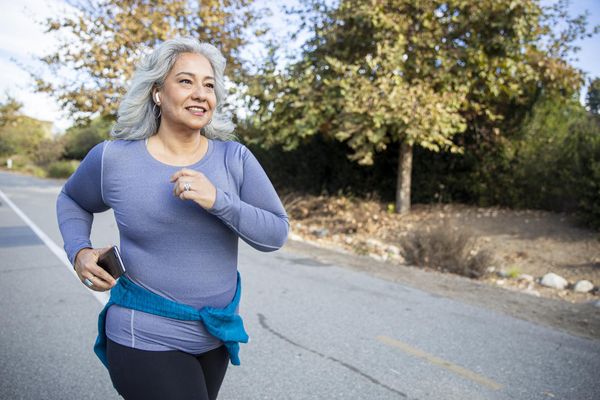
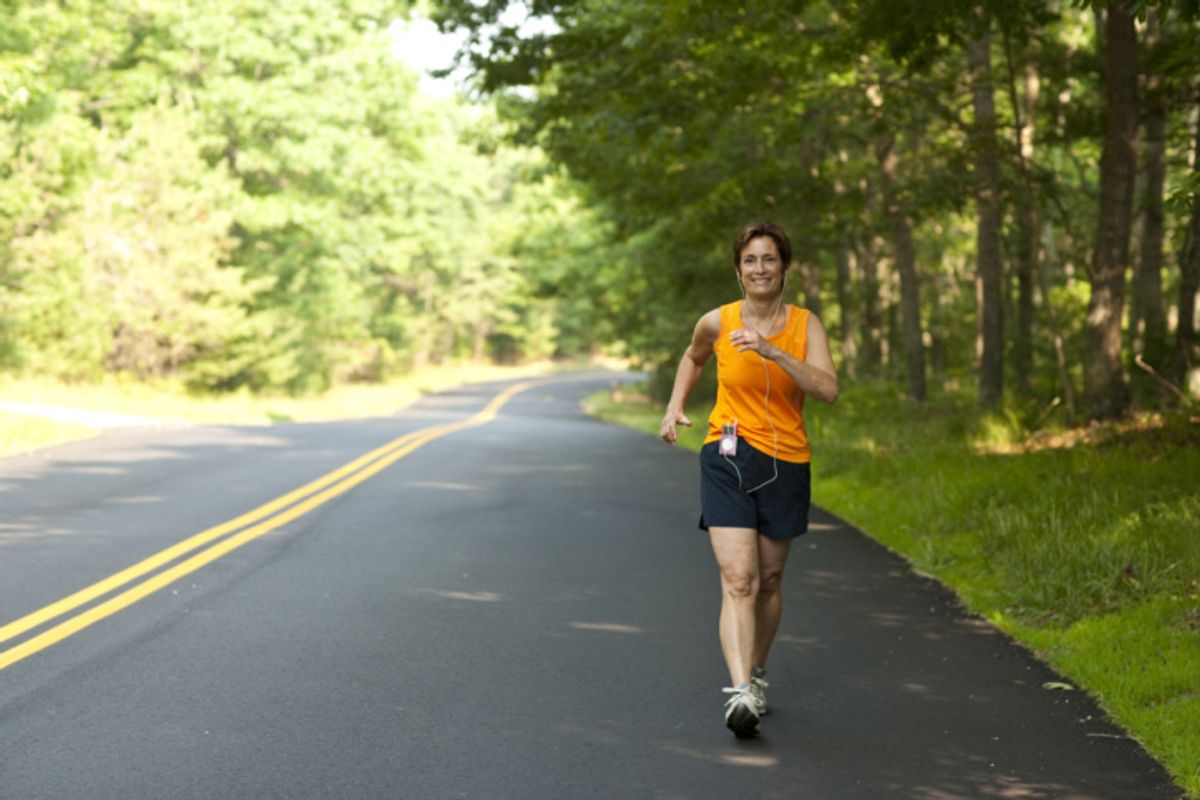
Exercise equipment fills Tami Hart's garage, gathering dust. Tami also ignores the 24-hour fitness room she could use for free at her workplace.
It's not that the Payette, Idaho, woman has given up on physical activity. "There's just something about walking on a treadmill or riding a stationary bike that is totally unappealing and uninspiring," she says. Instead, you'll find her exercising outside, year-round, even in snow and icy wind.
"I need to feel some connection with the outdoors and experience nature as I'm exercising," says Hart.
Natural revival
There's good scientific reason why Hart and many others feel such a difference between outdoor and indoor exercising. It starts with how we pay attention to the world around us and function within it, explains Andrea Faber Taylor, PhD, a researcher in the Landscape and Human Health Laboratory of the University of Illinois at Urbana-Champaign.
During most of our waking hours, we use our directed-attention ability, which helps us stay on task, take an exam or drive in heavy traffic. Directed attention—while useful for success in many life functions—demands concentrated effort. It leaves us feeling mentally fatigued and even stressed, Dr. Faber Taylor says.
By contrast, being in natural settings triggers involuntary attention. We use this when watching a flickering campfire or the moving water of a stream. Involuntary attention is easier on the mind, helping to rebuild and renew directed-attention strength.
"When people exercise outdoors in nature, they are not only exercising their body, but likely restoring attention and receiving physiological stress-reduction benefits. It's a whole-body effect versus just the physical," says Dr. Faber Taylor. Among her research findings: that walking in a park setting for 20 minutes improved the attention performance of children with attention deficits, compared to walking in more built settings. Similarly, a University of Michigan study released in 2008 showed that walking in natural environments or even simply looking at pictures of nature scenes restored the cognitive functioning of a group of college students.
Combining nature and physical activity—a phenomenon called "green exercise" by researchers at the University of Essex in England—produces a positive effect on physical and emotional health. Green exercise has been shown to significantly improve self-esteem and mood, reduce blood pressure and burn calories.
Taking it outside
We all know women who love going to the gym. They enjoy the fitness equipment, trainers and classes within those walls. Others work out at home, preferring the privacy and convenience they find there.
Yet green exercise has appealing advantages: it's often cheaper and easier than a gym or fitness club, usually provides a better visual and sensory experience than being inside and may be more easily adapted to your changing interests and needs. What's more, exercising in a natural environment—rather than indoors on a treadmill—produces higher levels of positive emotions, with less tension and stress, and encourages you to exercise longer.
Outdoor classes are now springing up around the United States, bridging the gap between gyms and green exercise. Fresh-air exercise sessions use body weight, resistance tubes and exercise balls to work out in public places such as parks, playgrounds and trails.
A daily dose of nature, gained in as little as a 10-minute walk, is important for the health of adults and children alike, Dr. Faber Taylor believes. "We need to raise the priority of getting into nature," she says.
Breathing easier
Maybe outdoor exercising sounds lovely to you, but you're worried that being in nature will trigger your allergies, asthma or other breathing problems. Talk with your health care provider about coordinating your activity interests with your health condition. Then consider these suggestions to help make exercising outdoors like a breath of fresh air for your body and spirits:
- If you have asthma, use your medications before exercising, in the manner prescribed by your physician. Do a five- to 10-minute warm-up. With the right treatment and management plan, people with exercise-induced asthma can participate safely in exercise, according to the Asthma and Allergy Foundation of America.
- Walking is a good exercise choice over activities that cause you to breathe faster, such as running or soccer.
- Higher ozone and pollutant levels can cause breathing problems, so check levels before exercising outdoors. Many online and print weather forecasts now report air-quality levels:
- 0 to 50 is good;
- 50 to 100 is not harmful, but could cause breathing problems for some people with asthma;
- above 100 is unhealthy if you have lung or heart disease and other conditions;
- above 150 is unhealthy for everyone.
- Higher ozone and pollutant levels can cause breathing problems, so check levels before exercising outdoors. Many online and print weather forecasts now report air-quality levels:
- Exercise in the early morning or early evening, when pollution levels are lower.
- If you have breathing problems, avoid exercising outdoors in very cold weather.