
Take the Time to Stay Healthy Through Menopause
You may be 50 or older, but you don't have to feel like you're over the hill. Many women enjoy this special time of life and feel renewed. You have decades of life experience and may have achieved many of your goals. Your children are probably grown—or getting there—and now you have more time to devote to your own interests.
Giving more time and attention to your health needs is especially important at this stage in life. This is the decade of the hormone—specifically, estrogen. Your estrogen level has been declining gradually as menopause gets closer. The average age of menopause for U.S. women is 51, with most women reaching this milestone somewhere between ages 45 and 55. You're considered "menopausal" when you haven't had a menstrual period for 12 consecutive months.
While menopause signals the end of the menstrual cycle and your reproductive years, less estrogen also means major changes for your body in other ways, too.
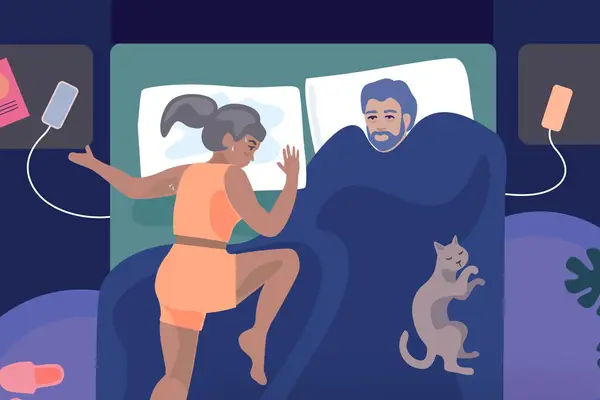
One of the first changes you're likely to notice if you've reached menopause is that you aren't having menstrual periods anymore. Or, if you're not quite there yet, periods may be few and far between. Hot flashes, one of the most common menopausal symptoms, may be making you uncomfortable. And you may notice that your skin is thinner and dryer now.
While sun exposure over the years is mostly responsible for changes in your skin's appearance—more wrinkles and brown spots, for example—declining estrogen levels can cause the lining of your vagina to be thinner and drier as well. That's why sexual activity for some women at this life stage can be uncomfortable or painful. Your skin care regimen should include moisturizing creams to prevent dry, flaky and sometimes itchy skin. Lubrication products can help with vaginal dryness, especially if sexual activity is painful.
It's important to remember that each woman experiences menopause in her own way—while some don't seem bothered by symptoms, other women may feel miserable and overwhelmed by them. There are a wide variety of lifestyle changes and treatment options to help you manage menopausal symptoms, so don't give up! You may want to ask your health care professional about menopausal hormone therapy, which can relieve both vaginal dryness and hot flashes. Since each woman's menopausal experience is highly personal, your discussion with your health care professional should focus on what treatment option is best for you. If you have questions about your symptoms or feel you need relief, ask your health care professional for guidance.
During your 50s you can't help but notice the changes in your body shape and energy level. Your metabolism has been slowing with each passing decade, and it gets even more sluggish in your 50s. Your body's lean muscle mass is also changing: it gradually turns to fat as you age, unless you get aggressive about getting and staying active. You may find this change most noticeable at your waistline. It is important to keep your weight under control because having a waist measurement of greater than 35 inches significantly increases your risk for developing diabetes and heart disease.
Because fat burns fewer calories than muscle, maintaining your weight becomes more of a challenge, and losing weight can be downright difficult as you get older. Consult your health care professional to calculate your daily calorie intake and help you develop a regular exercise program that maintains muscle, burns calories and raises your metabolic rate. Ask for a calculation of your body mass index (BMI). This measurement of your height and weight is one type of assessment used to determine if you are at a normal weight, overweight or obese. For more information on calculating your BMI, visit the National Heart, Lung and Blood Institute's Aim for a Healthy Weight Obesity Education Initiative.
Don't Ignore Silent Changes
You won't see or feel some changes caused by estrogen decline or the aging process, but they will be happening nevertheless. These include:
Bone loss. You have gradually been losing bone mass as you've been aging, but after menopause, the rate of bone loss increases significantly. An estimated 20 percent of women in their fifties already have osteoporosis and 52 percent already have low bone mass. Make sure your diet is rich in calcium, engage in regular weight-bearing exercises (walking and dancing) and strength-training (lifting weights) to help keep your bones strong. Studies show that even gardening can help prevent bone loss in older women.
Increased heart disease risk. As you get older, your risk for heart disease and stroke increase steadily. In fact, heart disease is a leading cause of death and disability in women. High blood pressure and high cholesterol can lead to heart attacks and strokes, so having your blood pressure and cholesterol checked regularly is essential. If you're at risk, it's important to maintain a healthy diet low in sodium and saturated fat, reduce alcohol consumption and refrain from smoking.
In the past, researchers thought estrogen protected younger women from heart disease, but the most recent clinical trials show that the reasons for this increased risk in older women aren't exactly clear. Estrogen therapy alone or in combination with progestin does not appear to protect women from heart disease or stroke and in fact, these hormones may even be harmful. Ask your health care professional for more information on hormone replacement therapy.
Regardless of the exact cause, because of this increased heart disease risk, it's important that you exercise regularly, limit alcohol intake to no more than one drink per day, refrain from smoking and maintain a healthy weight to help reduce your risk of these forms of heart disease. If needed, there are prescription medications to lower your blood pressure and help regulate your cholesterol levels.
Changes in brain function. Estrogen decline can contribute to short-term memory loss and problems with word recall. Its effect on the brain also is the source of hot flashes, trouble sleeping and decreased serotonin levels, which can affect your sense of well-being.
Other conditions. Women in their 50s are more likely to develop thyroid problems, such as hypothyroidism (low thyroid), which can cause fatigue, weight gain and depression. The risk for diabetes increases as well, and this can contribute to heart disease. Cancer risks increase, particularly of the breast and colon. Bladder infections and continence problems are more common. So, too, are gastrointestinal problems such as diverticulosis, in which small pouches bulge from weak spots in the colon and can cause cramps, bloating and constipation; and hiatal hernia, a painful condition in which the intestine slips through a weak spot of the abdominal wall.
Questions to Ask Your Health Care Professional
Menopause and how to deal with its symptoms likely will top your list of concerns now. But you should also be concerned about your general health and how your health needs might be changing now. Before your next appointment, make a list of questions in a small notebook that fits easily into your purse. Keep it handy so that you can jot down questions or concerns whenever you think of them. Be sure to include these topics:
- Now that I'm 50 (or older), how often should I have regular checkups and which screening tests should I have and when?
- Am I a good candidate for hormone therapy for menopausal symptoms, such as hot flashes and vaginal dryness? If not, what alternatives are available?
- Should I increase my daily intake of calcium and vitamin D to prevent osteoporosis after menopause?
- Should I continue the same diet and exercise program to maintain my weight? What should I do if I want to lose weight?
- Could weight gain be caused by a thyroid problem? Should my thyroid hormone level be tested?
- Is depression a normal symptom of menopause or aging? What treatments are available?
- I sometimes pass urine when sneezing or coughing. Is this normal? What can I do to control this problem?
- How do I know the difference between normal aches and pains and arthritis? Can it be prevented?
- If I need a test or treatment, what is it designed to do and why is it recommended? What are the dangers and side effects? What must I do to get ready for the procedure? Are there other treatments or options? Will insurance pay for the test or treatment?
- Whom should I call to find out test results (such as a Pap test or mammogram) and when? (Always get a complete report on any tests you have had.)
Preventive Health Screenings You Need
You'll need to see your health care professional more frequently now that you are in your 50s, plus you'll have to have some new preventive tests and screenings to keep your health in check. If you are at high risk or have a family history of medical problems, or you have serious medical conditions, you'll need specialized care and additional tests beyond the basic recommendations.
Here are guidelines for preventive health screenings and immunizations generally recommended for healthy women in their 50s:
Blood pressure test for hypertension: Have your blood pressure taken at least every two years if normal; more often if it is at or above 120/80.
Bone mineral density exam/bone mass measurement: This is recommended for women who have sustained a fracture, are at increased risk due to certain medications or have diseases or conditions that are known to be associated with bone loss.
Cholesterol: Have your blood cholesterol tested every five years or more frequently if you have risk factors for heart disease.
Clinical breast exam: Have this exam every year. Your doctor or other health care professional will examine your breasts for any abnormalities. This exam often is part of the annual gynecologic examination. Breast self-exam (BSE) is an option to consider in addition to these clinical exams; however, research has shown that BSE plays a small role in finding breast cancer compared with finding a breast lump by chance or simply knowing what is normal. If you choose to perform a monthly BSE, ask your health care professional to show you how to perform one.
Colorectal cancer screening: Women 50 years and older should be screened for colorectal cancer using any of several screening methods. There are a number of tests that screen for colorectal cancer, and they are divided into two groups: tests that find both colorectal cancer and polyps, and those that mainly find cancer. The American Cancer Society recommends that women at average risk of colorectal cancer have one of the following screening tests beginning at age 50:
Tests that find polyps and cancer:
- Colonoscopy every 10 years
- Flexible sigmoidoscopy every five years
- CT colonography (virtual colonoscopy) every five years
- Double contrast barium enema every five years
(If any of the above tests are positive, a colonoscopy should be done.)
Tests that mainly find cancer:
- Fecal occult blood test (FOBT) every year
- Fecal immunochemical test (FIT) every year
- Stool DNA (sDNA), interval uncertain
Discuss options and procedures with your health care professional to determine the best screening method for you.
Dental exam: Visit the dentist regularly. Check-ups can detect early signs of oral health problems and bone loss. Professional tooth cleaning is also important for preventing oral problems and should be done every six to 12 months.
Diabetes screening: You should be screened every three years; more often or earlier if you're overweight or have other risks for diabetes.
Eye exam: The American Academy of Ophthalmology now recommends that starting at age 40, adults with no risk factors or signs of eye disease get a baseline screening. Then based on the results of that initial screening, an ophthalmologist will prescribe the necessary follow-up exams. For people of any age with symptoms of eye disease or risk factors such as diabetes, high blood pressure, or family history of eye problems, the academy recommends they see an ophthalmologist to determine how often they should have their eyes examined.
Mammography: You should be screened for breast cancer with mammography every one to two years and get a clinical breast exam annually. Guidelines on breast cancer screening vary, so talk to your health care professional about what's right for you.
Pap test and pelvic exam: Get a Pap test every three years or both a Pap test and an HPV test every five years. The Pap test screens for abnormalities that could indicate pre- or early cervical cancer. If you have risk factors such as previous abnormal screening results, multiple sex partners, a weakened immune system, DES exposure in utero or HIV infection, you should have a Pap test every year. Talk to your health care professional about what's right for you.
If you have had a total hysterectomy (removal of both your uterus and cervix), you may stop having cervical cancer screenings, unless the surgery was done as a treatment for cervical cancer or precancer. If you had a hysterectomy without removal of your cervix, you should continue to follow the guidelines above.
Remember: Don't confuse your annual or semiannual Pap test with a gynecologic examination. The American College of Obstetricians and Gynecologists (ACOG) recommends that all women your age have a gynecologic examination, including a pelvic exam, annually.
Sexually transmitted diseases: If you have a history of chlamydia or other sexually transmitted diseases (STDs), or you or your partner have had multiple sex partners, ask your health care professional about whether you need to be screened for STDs, including gonorrhea and HIV.
Skin exam for skin cancer: The American Academy of Dermatology recommends that you have your skin examined by a dermatologist every year. Recommendations include doing a monthly mole self-exam and practicing sun safety to reduce your risk of damaging your skin and developing skin cancer. If you have had skin cancer or have a relative with a history of melanoma, ask your health care professional for guidance.
Thyroid test: Recommendations vary. The American Thyroid Association recommends having a TSH screening test at age 35 and then once every five years. The American Academy of Family Physicians does not recommend screening patients before age 60. And the U.S. Preventive Services Task Force states that there's not enough evidence to recommend for or against thyroid screening in adults. Ask your health care professional for guidance.
Weight: Obesity screening is now considered a preventive checkup. Ask your health care professional for more information on healthy weight guidelines or weight-management strategies.
Immunizations:
Hepatitis A: This vaccine is recommended for adults who live, work or travel in areas where hepatitis A is endemic and periodic outbreaks occur, or users of injection or street drugs, military personnel, institutionalized persons and those working in those institutions.
Hepatitis B: The Hepatitis B vaccine is recommended for all adults at high risk for infection; high-risk individuals include injection drug users and their sexual partners; anyone with a history of multiple sexual partners in the previous six months or who has recently acquired a sexually transmitted disease; recipients of certain drug products; individuals with a health-related job with frequent exposure to blood or blood products; and travelers to countries where hepatitis B virus (HBV) is of high concern.
Influenza: Have a yearly influenza vaccination.
Pneumococcal: You need one to two doses if you smoke or if you have certain chronic medical conditions.
Tetanus: You should have tetanus-diphtheria booster shots every 10 years.