
Take Care of Yourself During Transitional Times
Turning 40 is a milestone and often a time of transition. Your children may be growing up or you may be caring for your parents or considering a career change. One change that is inevitable is the transition toward menopause.
The average age of menopause for U.S. women is 51, with most women reaching this milestone somewhere between ages 45 and 55. You're considered "menopausal" when you haven't had a menstrual period for 12 consecutive months.
But, before reaching this milestone, you can experience a number of changes for a full decade before your menstrual cycle finally stops. Every part of your body is affected, from your appearance to the health of your heart and bones.
Called "perimenopause," or the "menopause transition," this life stage is defined by physical, emotional and psychological changes. As your body's estrogen levels decrease, you may notice these changes:
- Menstrual periods that are heavier or lighter, shorter or longer than you're used to
- One or more missed menstrual period followed by a regular period
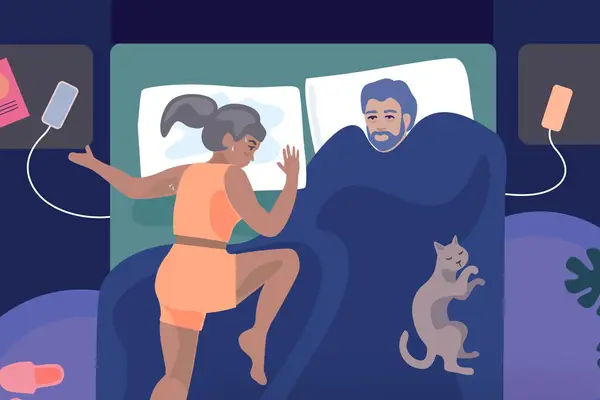
- Hot flashes, irritability, decreased sex drive and problems sleeping
You're inching closer to middle age and are wiser for it, but sometimes you may wonder where the years have gone. While this turning point can be cause for celebration, it can also lead to anxiety and depression for some women. Talk to your health care professional if negative feelings about this life stage become overwhelming. You might find that simply establishing a healthy diet and exercise program—and sticking to it—will lift your spirits. If not, there are effective treatments for depression and anxiety.
Your metabolism continues to slow during the transition to menopause and your weight gradually shifts from your hips and thighs to your abdomen, shoulders and chest. If you don't have a regular aerobic exercise and strength training program, it's never too late to start. Talk with your health care professional about putting together a plan that takes into account your age, health status, daily schedule and goals. You'll improve your health, have more energy and look your best if you maintain a healthy weight and keep your muscles well-toned.
Exercise and strength training will help your bones, too. Because your body produces less estrogen as you near menopause, you're at increased risk for bone loss, which can lead to the bone-thinning disease osteoporosis. In addition to exercising, make sure you are getting enough calcium in your daily diet. Your health care professional can advise you if you need additional supplements or medications for your calcium needs.
Be sure to eat a lot of fresh fruits and vegetables and cut down on junk foods to help keep you healthy and fit. If you drink alcohol, limit consumption to no more than one drink per day, and if you smoke, try to quit. If you're feeling stressed, find ways to relax and take time for yourself. Talk to your health care professional for guidance.
What's Normal and What's Not?
In addition to osteoporosis, your risk for certain diseases, such as heart disease and diabetes, increases as you get older. Some health conditions occur more often in certain families, and you may be nearing the age at which a parent developed a disease or disorder. That doesn't mean that you will develop the same problem, but it's more important than ever to have regular medical check ups and basic screening tests, including a pelvic exam, mammogram, cholesterol test and possibly others, with the advice of your health care professional.
Don't forget to keep your family medical history up to date. Your health care professional should have a copy and you should keep one in a safe place. This important document should include your personal medical history, illnesses of relatives and the age at which family members were diagnosed with medical problems.
If you don't have one, check out the "My Family Health Portrait," created by the U.S. Surgeon General's office in the U.S. Department of Health and Human Services. Visit https://phgkb.cdc.gov/FHH/html/index.html to download this free computerized form to organize your family tree and identify common diseases that may run in your family.
Your skin may be showing the signs of aging, especially if you've spent a lot time in the sun without sunscreen. Some women experience changes in skin color or pigmentation, which result in brownish "age spots" or "liver spots." Moles and facial wrinkles may be more plentiful now. Check in with a dermatologist if you notice any skin changes or growths. Always wear sun protection to help reduce your risk of skin cancer and to prevent further damage to your aging skin.
You may also notice that your vision is changing. You may need corrective lenses or glasses to sharpen your vision. Many people in their 40s find they need bifocals for reading and distance vision. And, your sense of smell may be less keen in your mid-40s.
It's always a good idea to ask your health care professional about any physical or emotional changes you may be experiencing. Some are typical to this life stage, while others may need more serious consideration.
Questions to Ask Your Health Care Professional
You're likely to have new concerns and questions about your health now, particularly about the menopause transition. You should feel comfortable discussing your concerns with your health care professional—no question is too small or insignificant. Keep your questions in a small notebook that fits easily into your purse and take it to your medical appointments. Here are a few questions you might consider asking:
- How can I improve my diet and/or exercise program to have a healthier lifestyle in my 40s? Ask for details about vitamins you need, supplements you should be taking, and ingredients you should avoid.
- When should I have regular checkups and which screening tests should I have and when?
- How do I prepare for a screening mammogram? What can I expect during the screening?
- Should I take hormone therapy for menopausal symptoms, such as hot flashes and irritability? What other treatments are available?
- Am I at risk for osteoporosis? How much calcium and vitamin D should I get each day?
- Should I change my skin care routine to help reduce signs of aging? Are there treatments to remove "age spots"?
- Should I continue using the same contraceptive method in my 40s? What are the odds of pregnancy now that I'm close to menopause?
- Is depression a normal part of aging? What treatments are available?
- Will insurance pay for the screening tests I need in my 40s?
- Whom should I call to find out test results (such as a Pap test or mammogram) and when? (Remember: Always ask for and get a complete report on any medical tests you have. Don't fall into the "No news is good news" trap. Medical reports can be misplaced or not reported. Be sure to follow up.)
Preventive Health Screenings You Need
Continue the positive health habits you have already established, including regular visits to your health care professional for preventive health screenings. If you are at high risk or have a family history of health problems, or you have serious medical conditions, you'll need additional screenings and checkups beyond the basic recommendations listed here:
Blood pressure test for hypertension: Have your blood pressure taken at least every two years; more often if it is at or above 120/80.
Bone mineral density exam/bone mass measurement: Get screened at age 40 only if you are at increased risk for osteoporosis or low bone density because of using certain medications; have a disease or condition known to be associated with bone loss; or if you have recently broken a bone under certain circumstances.
Cholesterol: Have your blood cholesterol tested every five years or more frequently if you have risk factors for heart disease.
Clinical breast exam: Starting at age 40, you should have this exam every year. Your doctor or other health care professional will examine your breasts for any abnormalities. This exam often is part of the annual gynecologic examination. Many health care professionals also suggest doing a breast self-examination each month. However, research has shown that BSE plays a small role in finding breast cancer compared with finding a breast lump by chance or simply knowing what is normal. If you choose to perform a monthly BSE, ask your health care professional to show you how to perform one.
Dental exam: Visit the dentist regularly. Checkups can detect early signs of oral health problems and bone loss. Professional tooth cleaning is also important for preventing oral problems and is usually done every 6 to 12 months.
Diabetes blood glucose (sugar) test: You should be screened every three years starting at age 45; more often or earlier if you’re overweight or have other risks for diabetes. Ask your health care professional whether he or she recommends a blood glucose test for you.
Eye exam: The American Academy of Opthalmology now recommends that starting at age 40, adults with no risk factors or signs of eye disease get a baseline eye screening. Then based on the results of that initial screening, an ophthalmologist will prescribe the necessary follow-up exams. For people of any age with symptoms of eye disease or risk factors such as diabetes, high blood pressure, or family history of eye problems, the academy recommends they see an ophthalmologist to determine how often they should have their eyes examined.
Mammography: Beginning at age 40, you should be screened for breast cancer with mammography every one to two years. Guidelines on breast cancer screening vary, so talk to your health care professional about what’s right for you.
Pap test and pelvic exam: Get a Pap test every three years or both a Pap test and an HPV test every five years (you can get both tests at the same time). The Pap test screens for abnormalities that could indicate pre- or early cervical cancer. Exception: If you have risk factors such as previous abnormal screening results, multiple sex partners, a weakened immune system, a history of DES exposure in utero or HIV infection, you should have a Pap test every year. Talk to your health care professional about what's right for you.
Remember: Don't confuse your Pap test with a gynecologic examination. The American Academy of Obstetricians and Gynecologists (ACOG) recommends a gynecologic examination, including a pelvic exam, annually.
Sexually transmitted diseases (STDs): If you have a history of chlamydia or other STDs or you or your partner have had multiple sex partners, ask your health care professional about whether you need to be screened for STDs, including gonorrhea and HIV.
Skin exam for skin cancer: Examine your skin once a month for changes, such as moles that change color, shape or size. If you have risk factors for skin cancer, you may need periodic skin exams by a dermatologist or other health care professional. Talk to your doctor about what’s right for you.
Thyroid test (TSH): Recommendations vary. The American Thyroid Association recommends having a TSH screening test at age 35 and then once every five years. The American Academy of Family Physicians does not recommend screening patients before age 60. And, the U.S. Preventive Services Task Force states that there's not enough evidence to recommend for or against thyroid screening in adults. Ask your health care professional for guidance.
Weight: Obesity screening is now considered a preventive checkup. Ask your health care professional for more information on healthy weight guidelines or weight-management strategies.
Immunizations:
Hepatitis A: This vaccine is recommended for adults who live, work or travel in areas where hepatitis A is endemic and periodic outbreaks occur, or users of injection or street drugs, military personnel, institutionalized persons and those working in those institutions.
Hepatitis B: All pregnant women should be screened for hepatitis B at their first prenatal visit. The Hepatitis B vaccine is recommended for all children and adolescents not previously immunized and for all adults at high risk for infection; high risk individuals include persons who are injection drug users and their sexual partners; anyone with a history of multiple sexual partners in the previous six months or who has recently acquired a sexually transmitted disease; recipients of certain drug products; individuals with a health-related job with frequent exposure to blood or blood products; and travelers to countries where hepatitis B virus (HBV) is of high concern.
Influenza (flu): You need a dose every fall (or winter) to protect you and those around you from the flu.
Pneumococcal: You need one to two doses if you smoke or if you have certain chronic medical conditions.
Tetanus: You should receive tetanus booster shots every 10 years.