Claims
Clean eating is supposed to benefit the body by aiding fat loss and weight loss, increasing energy levels, increasing mental well-being and improving skin clarity, hair strength and sleep quality.
How It Works
Clean eating is more of a lifestyle than just a short-term diet. The main premise is that "clean" food is whole, unrefined food without additives or preservatives, artificial flavoring, artificial coloring and sugar substitutes. Nothing is off-limits as long as it's made of pure, unadulterated ingredients.
Those who practice clean eating focus on choosing foods with less than four to six ingredients, all of which should be easily recognizable—nothing you can't pronounce. It also usually involves exercising regularly, drinking plenty of water, and ensuring proper nutrition through supplements.
Overview
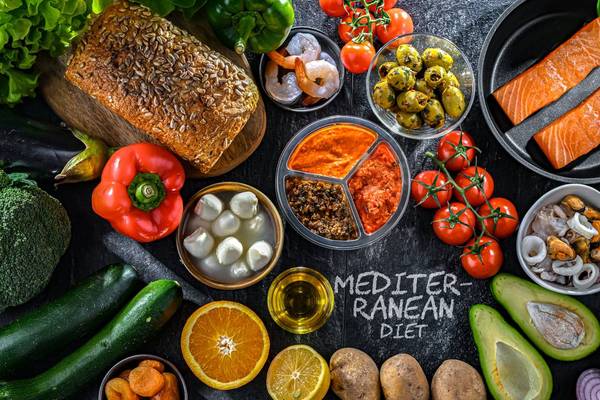
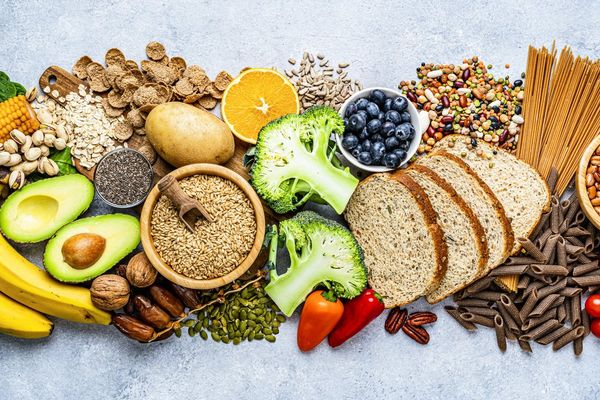
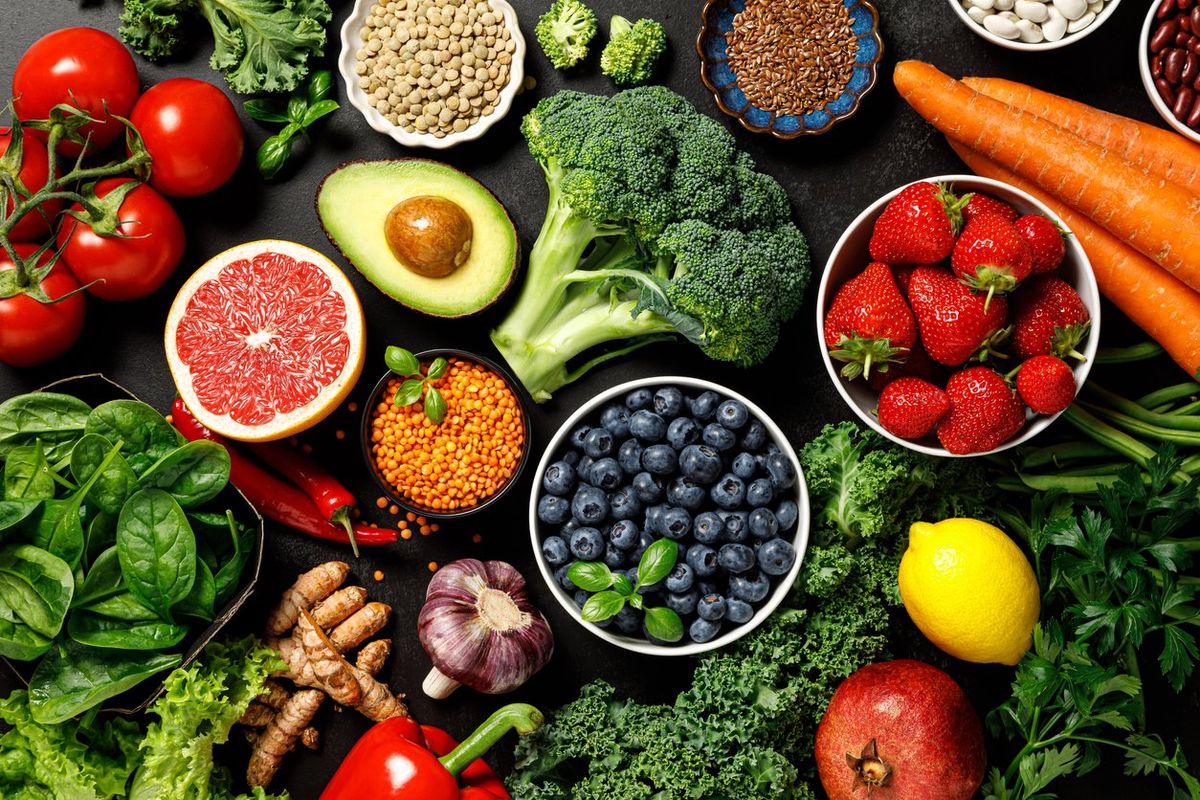
People who follow this diet stick to fruits and vegetables, whole grains, nonfat dairy, and whole cuts of meat that are straight from the butcher. They avoid "bad" fats like saturated and trans fats, as well as sodas, high-calorie juices, and other drinks that provide a lot of unnecessary calories. They also refrain from eating processed and refined foods.
Individuals who follow a clean eating lifestyle eat five or six small meals a day to keep their blood sugar levels stable and to prevent hunger. Each meal usually includes lean protein, complex carbohydrates and healthy fats.
Success Rate
Clean eating is a valid choice for many people, because it's not necessarily limiting the amount of food that's consumed. The main issue for most people is getting used to the taste of foods that are unflavored with artificial ingredients.
Many clean eaters are also somewhat flexible about "cheating," meaning they don't beat themselves up over the occasional slip-up, like a glass of red wine or a piece of dark chocolate. This makes the diet easier to sustain.
Health Pros & Cons
The downside of clean eating is that more work needs to go into preparing the foods, because you won't be able to pick up prepackaged meals. People often get around this by buying frozen fruits and vegetables to speed up the meal prep.
How Easy Is It?
It takes getting used to, but once your taste buds have gotten accustomed to natural foods and you're familiar with reading labels in the grocery store, it's not very hard to stick to a meal plan that revolves around whole ingredients.
Who Is It Best For?
Clean eating is good for anyone, but it works particularly well for those who like to cook and don't want strict calorie limitations.
Costs & Special Products
"Clean" foods cost less than most processed goods, unless you want to purchase organic fruits and vegetables, which are more expensive.