

Search
Latest Stories


Newsletter Sign-Up
Newsletter
Q:
I am a 54-year-old, postmenopausal woman who has developed a flabby stomach and rounded shoulders. I tend to strain my neck trying to do sit-ups to tighten my tummy. Do you have any suggestions on strengthening my upper neck and shoulders? Is there an alternative to sit-ups for tightening my abdomen?
A:
Doing sit-ups will make your abdominal muscles stronger and tighter, but will not get rid of your "flabby stomach." Although some fitness DVDs and advice in magazines and books may make you think that "spot reducing" is possible, in truth, you cannot exercise just one area of your body in hopes of reducing the fat in that area.
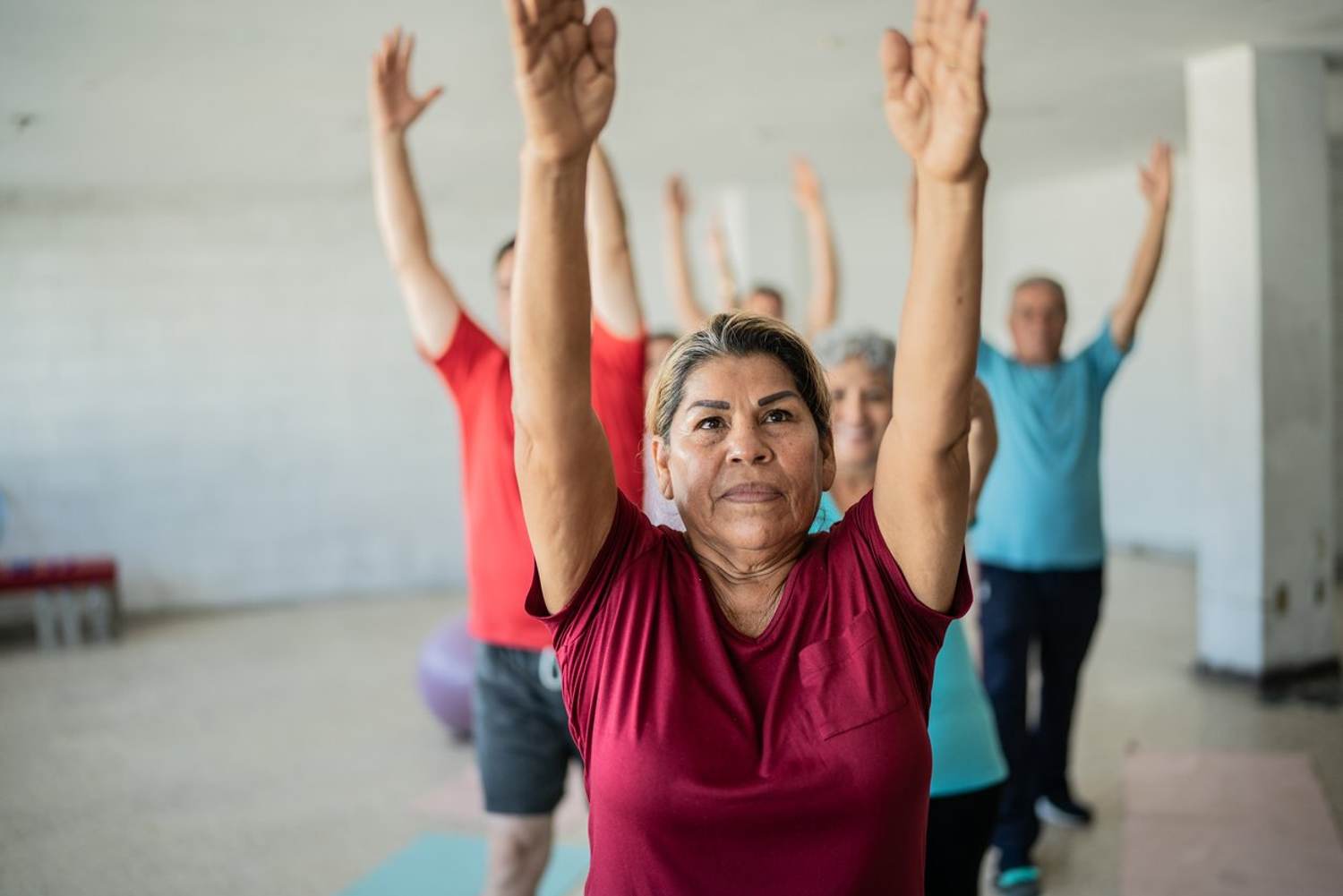
The only way to achieve the result you want is by increasing your daily physical activity with aerobic and resistance exercises. These will help reduce your total body fat.
The best way to help with your neck and shoulders is to focus on standing and sitting up straight. Pretend you have a pole going through your body, keeping you upright. Practice standing or sitting tall and strong with your shoulders back and your ears in direct alignment over your shoulders. Whenever you notice yourself slumping, realign the way you are standing or sitting.
From what you described, it's likely that the muscles in your chest, shoulders and neck are feeling tight and tense. You may want to see a massage therapist to help you reduce the tightness and tension in that area so you can start to build strength and increase flexibility.








Popular
1

Perimenopausal Breast Tenderness
Sep 18, 2009
2
Honeymoon Cystitis
Sep 21, 2009
3

Can I get pregnant while on birth control?
Sep 24, 2009
4

Hysterectomy and Lack of Sexual Urge
Sep 21, 2009
5

Hysterectomy and a Lack of Orgasm
Sep 21, 2009
6

Vaginal Bleeding After Intercourse
Sep 21, 2009
Support Our Mission
Keep Trusted Women’s Health Information Free
Your donation ensures every woman continues to have access to credible health content.More Stories






Everything you need to know about women’s health — in one place.