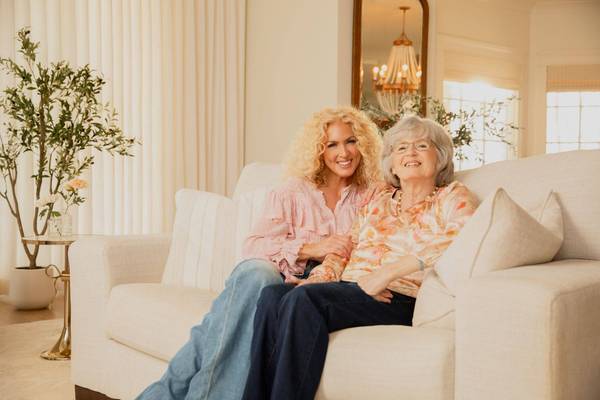
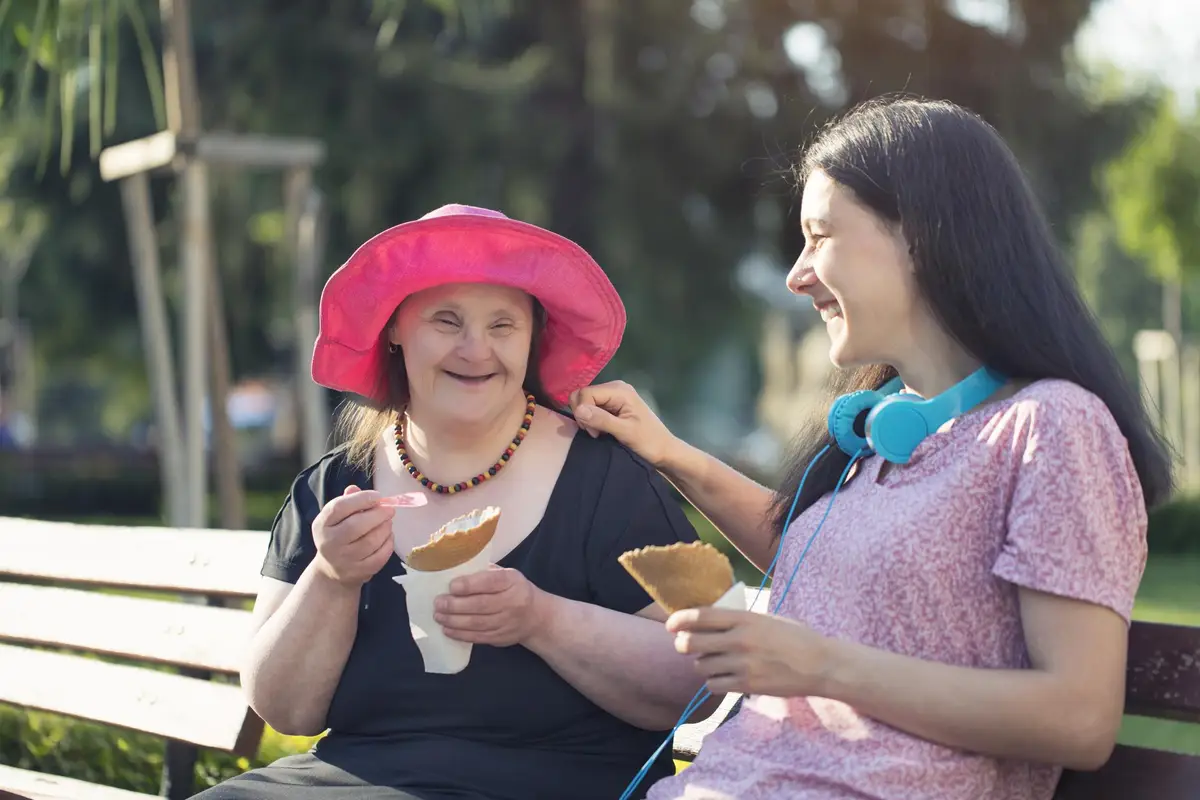
Throughout her life, Kelly Klein has always felt a sense of responsibility for her sister Wendy, who is deaf and has intellectual delays. Klein always helped care for her sister, who would often visit her family on weekends. But after the death of their father seven years ago, Klein took over full-time and became Wendy's legal guardian.
Klein helps Wendy with every aspect of her life, including preparing all of her meals, picking out her clothing, driving her to activities and programs, scheduling and attending all medical appointments, and assisting with personal care tasks such as shaving her legs and brushing her hair.
"[Adjusting] was a challenge at first, and adjusting to the fact that we had lost our dad very suddenly. Trying to grieve through that process while also acclimating Wendy into our home, becoming her legal guardian, and doing all . . . the important pieces that had come together for her to live with us [was tough]," recounted Klein.
What are family caregivers?
At 51, Klein is one of millions of Americans who are family caregivers, providing assistance to a family member with physical or developmental needs, a disability or a terminal illness. Caregiving can include a wide range of responsibilities, such as help with daily living activities, administering medications or attending doctor's appointments.
According to AARP's Caregiving in the U.S. 2025 report, almost 9 out of 10 caregivers are relatives and 6 out of 10 are women.
What makes family caregiving so difficult?
Though family caregiving is often done as an act of love, it can also take an emotional and financial toll.
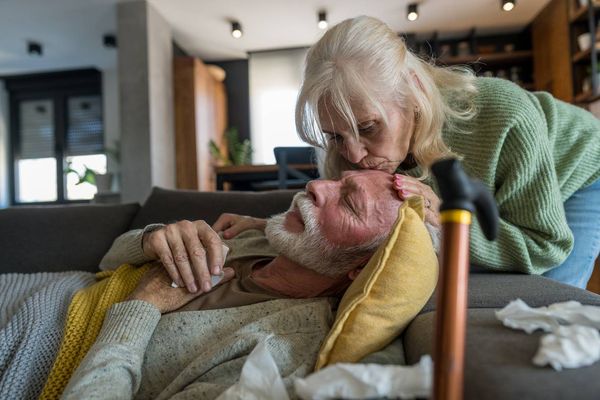
Sue Rock, who spent seven years caring for her husband before he passed away from prostate cancer at the age of 66, explained that it's difficult to see someone you love experience something you can't fix.
"There's nothing you can change about that particular journey they're going through, as you are the support person and they're the one going through the health crisis," said Rock, who is in her 50s.
Caregivers may also bear the brunt of anger and frustration from the family member they are caring for.
In some cases, "The person who is ill or requiring care possibly could be less patient with the family member providing care and more willing to show their frustration with their situation overall than they might be on a person who is perceived to be a professional," explained Ivy Alexander, Ph.D., a professor and director of Adult-Gerontology Primary Care Nurse Practitioner Track at the University of Connecticut School of Nursing and a member of HealthyWomen's Women's Health Advisory Council.
Family caregiving can also take an economic toll. The AARP reports that almost 4 in 5 American caregivers work full-time in addition to their caregiving responsibilities. More than half of these said that caregiving impacted their work abilities, and more than 1 in 5 working caregivers had to resign or retire early to focus on caregiving.
Self-care and support
Taking care of family members can lead to caregivers not taking care of themselves. This can lead to burnout, which can cause major problems. Here are some ways caregivers can practice self-care.
1. Find time for yourself, and ask for help if needed
"It's incredibly recharging to be able to get away for an overnight or even a few days, and I think that's something a lot of caregivers have difficulty making happen," Klein said, adding that the person being cared for may enjoy spending time in new environments and with new people.
She credits family members, friends and neighbors who help her take care of her sister when she needs some time off.
While caregiving for her husband, Rock would find time to sing at a jazz club on weekly open mic nights.
"You're going to have to still maintain [a semblance of] the life that you love, and do the things that bring you life," Rock said, adding that missing a few hours with the person you're caring for doesn't mean you're neglecting them.
2. Accept your feelings
Caregiving is tough, and it's normal to have moments where you feel resentful or overwhelmed. It's important to allow yourself to have those feelings and to understand that they don't mean you don't love the person you're caring for.
"[My friends] let me vent and don't judge me when I say things that are harsh because they know that I love my mother and will do anything for her, but that I am just frustrated," Young explained.
3. Stay healthy
It's also important to take care of your own health needs by staying up to date with wellness exams, routine blood tests and cancer screenings. Alexander also suggests that women eat a healthy diet, exercise and get plenty of sleep.
Don’t be afraid to ask for help
Even with self-care and support, caregivers still need additional resources to make their role less stressful. The AARP Local Assistance Directory helps caregivers find local services. Caregivers may also qualify to get paid via Medicaid for their caregiving services. Thirteen states, such as California, have programs in which a spouse can get Medicaid services to care for their spouse.
Caregiving is a labor of love, but that doesn't mean it's easy. The struggles of caring for family members can take a huge emotional toll. Women caring for their loved ones need to remember to care for themselves just as much as others.
Resources
Family Caregiver Alliance
Caregiver Action Network
AARP Family Caregiving