
Search
Latest Stories

Newsletter Sign-Up
Newsletter
By Jenilee Matz, MPH
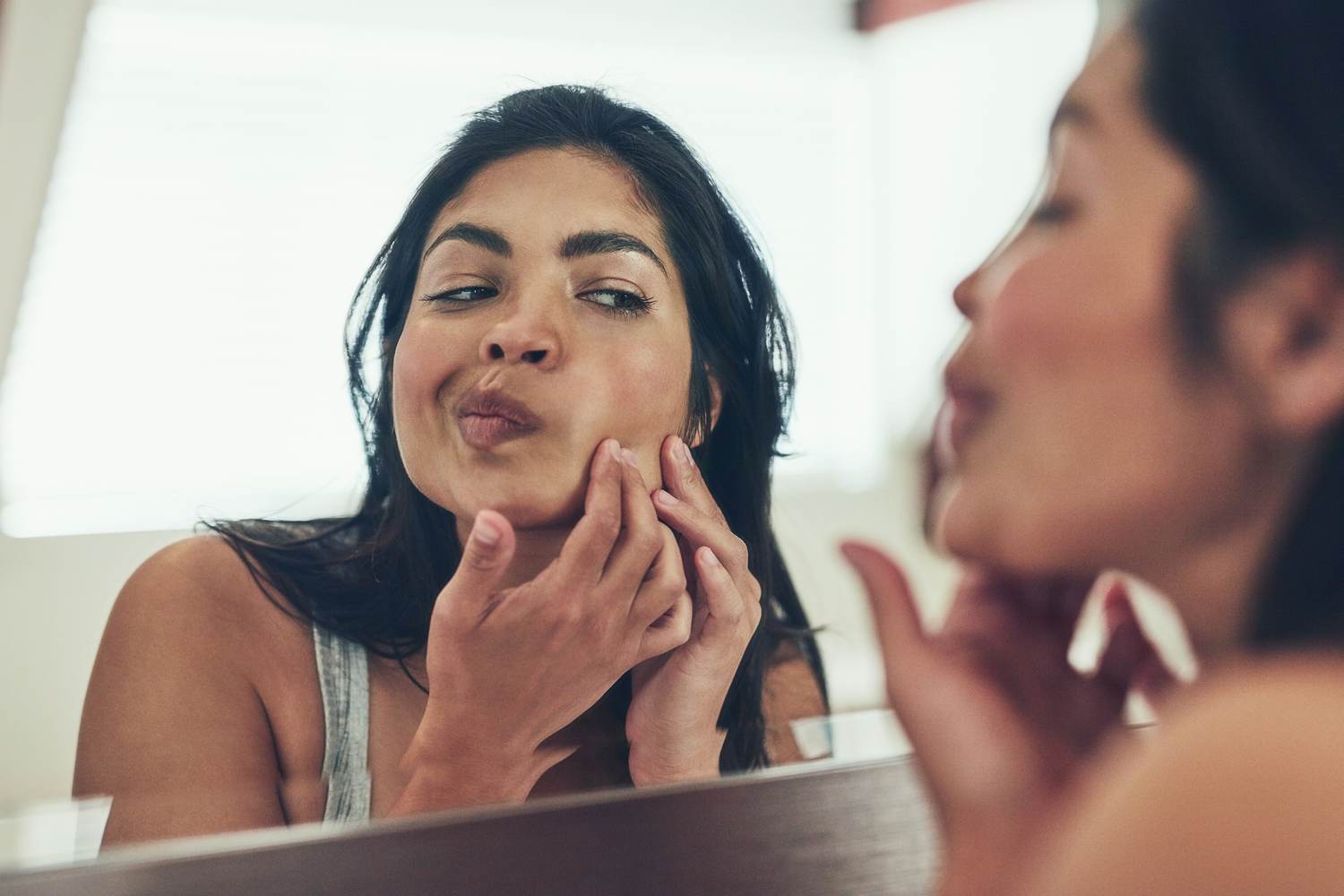
There's a good chance you've had an unwelcome pimple pop up on your face, or worse, a full-blown breakout. Acne is the most common skin condition in the U.S., affecting about eight of every 10 people at some point during their lives.
Even though acne is widespread, it's often misunderstood. If you have specific concerns or questions about your acne, be sure and talk with your health care provider.
We can help clear up five common misconceptions about acne:
1. Acne happens when you don't wash your face enough.
Acne isn't due to unclean skin, and face-washing is not a standalone treatment for acne. In fact, scrubbing your skin may make acne worse. Acne is believed to be caused by hormonal changes. It also seems to run in families. Certain medications, some products for hair and skin care, stress and underlying medical issues can also affect acne.
This myth may stem from the perception of blackheads—pimples that come to the skin's surface and appear black. Some people mistakenly believe the dark color of blackheads means there's dirt on your skin, but this isn't the case. Acne develops below the surface of the skin. Your skin's pores (tiny holes) connect to hair follicles and oil glands under your skin. The glands make an oily substance called sebum. Oil carries dead skin cells through the follicles and out of the skin. Acne happens when the sebum, dead skin cells and hair come together and form a plug. The dead skin in the plug oxidizes, appearing black, thus the term blackheads.
2. Only teenagers get acne.
Acne is most likely to occur during the teen years due to changing hormones, specifically androgen, which increase sebum production. However, acne can continue into or even start in adulthood. Studies show that acne affects as many as 50 percent of people in their 20s, 30 percent in their 30s and 20 percent in their 40s.
3. Acne can be caused by diet.
You've likely heard that chocolate, dairy products and greasy foods, like French fries or pizza, can cause breakouts. There's no reliable evidence that shows a connection between chocolate or greasy foods and acne. However, the association between dairy and acne isn't clear—some research shows a link. In addition, limited studies suggest a high glycemic diet (one that's high in sugar and other refined carbohydrates) may contribute to acne. Before you change your diet in an effort to clear your skin, know that the evidence isn't strong.
4. The sun can help clear up acne.
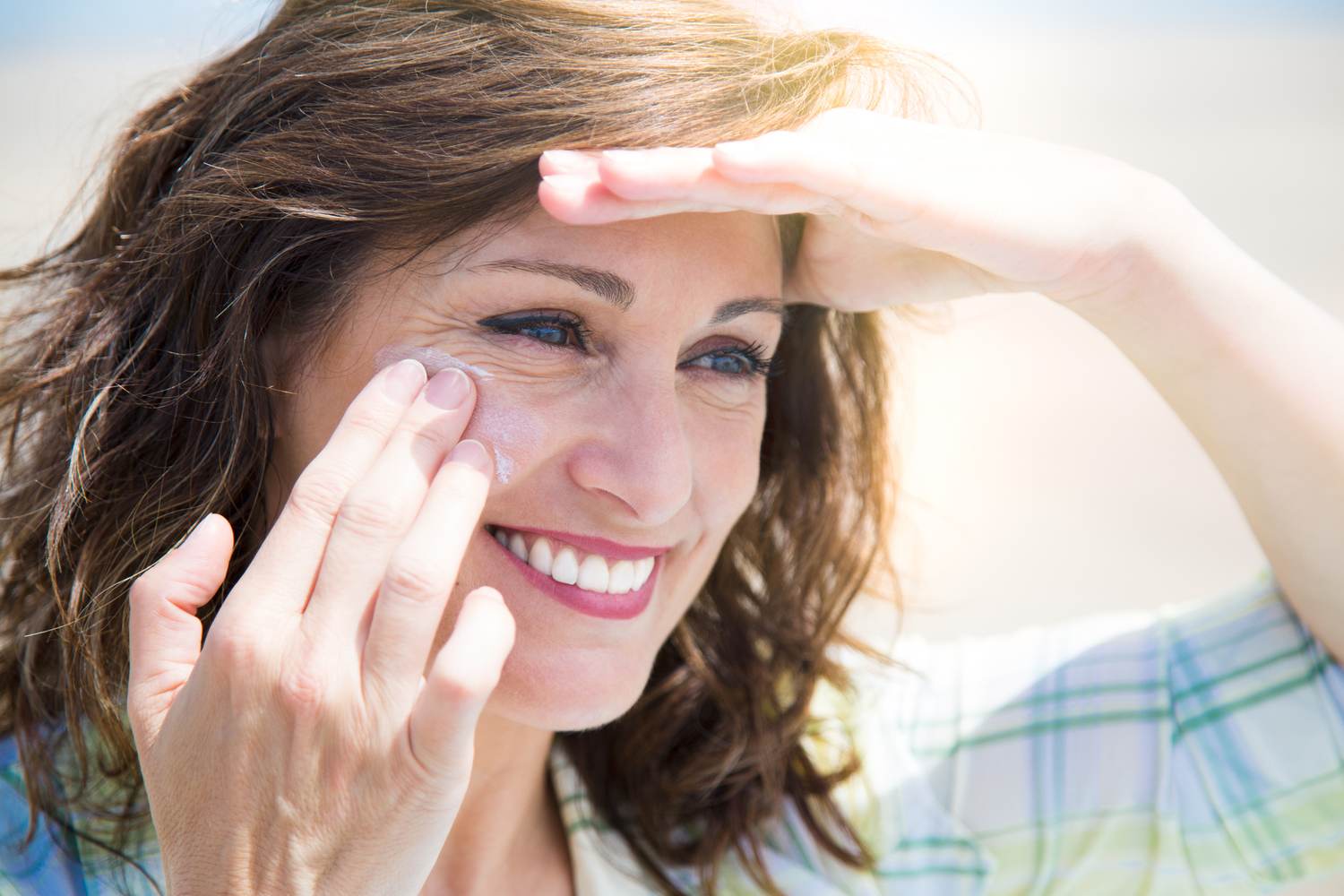
Sun exposure and tanning will not help clear acne. The effects of sunlight may make pimples appear less visible, but it doesn't treat the condition. What's more, being in the sun can damage your skin, lead to skin aging and increase your risk of skin cancer.
5. Acne isn't serious.
For many people, acne is more than just skin deep. While it rarely causes serious physical problems, it can affect your emotional health, especially if you have acne during the teen years. Acne can contribute to reduced self-esteem, body image issues and self-consciousness. When left untreated, acne can also lead to permanent scars.
Thankfully, acne can be cleared with the right regimen. There are many over-the-counter (OTC) products that fight breakouts. Ask your pharmacist to recommend an OTC medication for you.
Note that many medicines can take weeks to work, so don't despair if your skin doesn't improve right away. If your skin doesn't respond well to an OTC product, there are also many prescription acne medications available. See a dermatologist (a skin care doctor). Together you can come up with a treatment plan that can help clear your acne.
Jenilee Matz is a medical writer at Walgreens. She is passionate about setting the record straight about skin-care myths and educating women of all ages about the importance of taking care of their skin. You can find facial cleansers and washes for various skin types at Walgreens.com.







Popular
1
Bye, Bye, Itch! Managing Chronic Hives at Home
Sep 23, 2026
2
3
4
Chronic Spontaneous Urticaria 101
Sep 30, 2025
5
6
What Is Chronic Spontaneous Urticaria (CSU)?
Jun 29, 2026
Support Our Mission
Keep Trusted Women’s Health Information Free
Your donation ensures every woman continues to have access to credible health content.More Stories




Everything you need to know about women’s health — in one place.