
Visit our Brain Health Hub.
The other night, I watched a two-hour interview with the actress Olivia de Havilland where she swooned when recalling meeting the swashbuckling Errol Flynn in 1934. She also described how Vivien Leigh and Clark Gable played the game Battleship between scenes on the set of Gone With The Wind in 1939. The interview was conducted in 2006 when de Havilland was 90 years old.
I was astounded at de Havilland's mental agility and ability to recall even tiny details about events from nearly a century ago. This struck me because just days earlier I'd spoken with Lynn Posluns, the founder and president of Women's Brain Health Initiative, about Alzheimer's disease.
De Havilland's acuity was illustrative of something I learned in our discussion: Alzheimer's is not a natural part of aging. Even more encouraging, there are steps we can take to improve our overall brain health and reduce our risk of developing the disease..
What's the difference between Alzheimer's disease and dementia?
Though Alzheimer's and dementia are often used interchangeably, they aren't actually synonymous.
"There are different types of dementia," explained Posluns. "Alzheimer's disease is one of the largest causes of dementia."
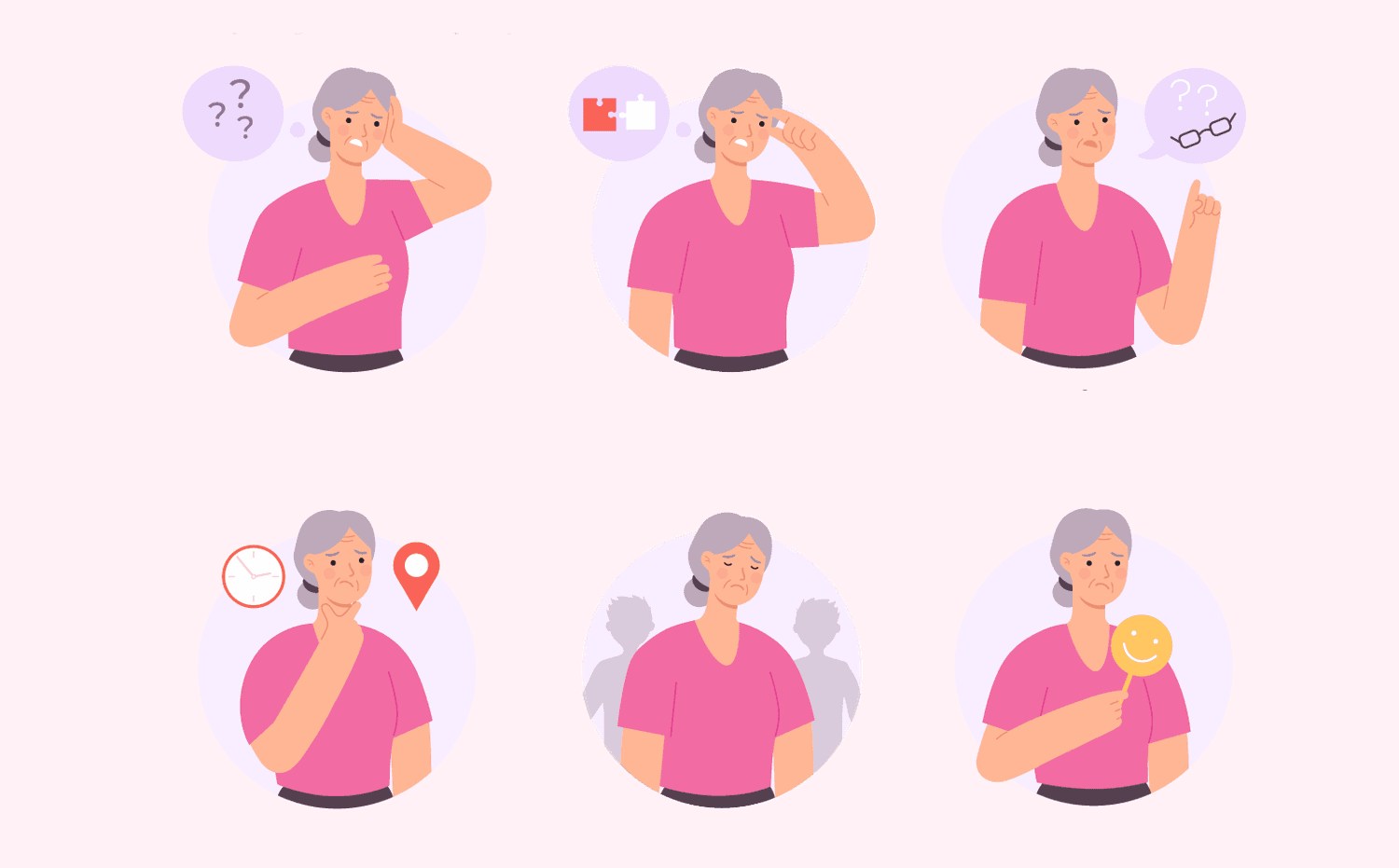
She added that 70% of dementia cases are a result of Alzheimer's disease, which affects the hippocampus and prefrontal cortex parts of the brain, which is why cognition, memory and executive functioning all get impacted. The progressive disease is the sixth leading cause of death in the U.S.
An estimated 7 million Americans age 65 and older have Alzheimer's — a number expected to rise to 13.8 million by 2050. Advanced age is the highest risk factor, with one's chance of developing the disease doubling about every five years after age 65. After age 85, the risk rises to 33%. It's important to note, however, that Alzheimer's is not only a disease of old age. Alzheimer’s that occurs in people under the age of 65 is called early-onset, or younger-onset, Alzheimer's.
Gender and race disparities
Almost two-thirds of those living with Alzheimer's in the U.S. are women, a discrepancy traditionally ascribed to the fact that women typically live longer than men, but research now shows that genetics, biology and different life experiences may also be factors. The Latinx and African-American communities are also disproportionately affected by Alzheimer's.
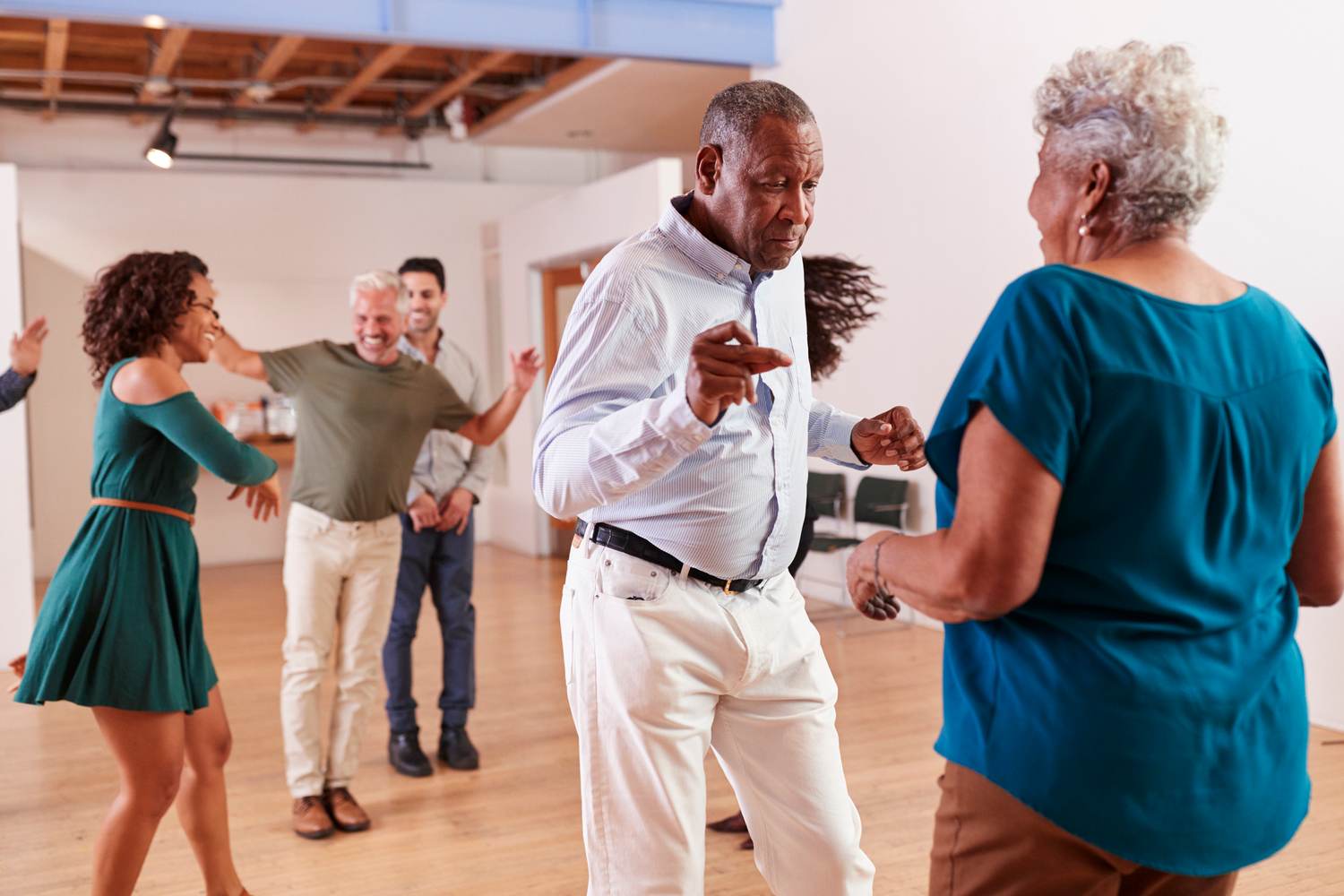
“African-Americans are roughly twice as likely to have the disease, and Latinos are one and a half times more likely,” said Daphne Delgado, vice president for health equity at UsAgainstAlzheimer's. “While women, especially women of color, bear a disproportionate burden of Alzheimer’s, hope is not lost. African American and Latino communities can lower our risks of dementia by leaning in on our cultural strengths, like prioritizing social connection, enjoying healthy, homemade meals with friends and family, and staying active, like through dancing. These everyday lifestyle choices can make a massive difference in our risk of developing dementia.”
How to prevent Alzheimer’s disease
Alzheimer's disease is not a given. "One of the things they are now discovering is, if you have the Alzheimer's gene it doesn't necessarily mean that you're going to end up with Alzheimer's disease. Your risk is higher than if you don't have the gene and even higher if both of your parents have the gene and pass it on to you, but it's not enough to tip the scales towards Alzheimer's," explained Posluns.
Lifestyle and environmental factors play a role, which means we have more control than we realize.
The factors that increase our risk for Alzheimer's also increase our risk for other chronic diseases: high blood pressure, high cholesterol, obesity, smoking and sedentary lifestyle. We can reduce our risk (and improve our overall health) by getting proper nutrition (try the MIND Diet), exercising, reducing stress, getting enough sleep and keeping one's brain mentally stimulated. Hearing loss can also be a factor.
"Untreated hearing loss can isolate you . . . When you're not socializing with people and being interactive, and you withdraw, that is problematic," Posluns said, adding that most people can treat their hearing loss.
Posluns explained that sleep is important because it gets rid of the toxins in our brain and helps consolidate memory, and chronic levels of stress can prematurely age our cells, including brain cells.
As a journalist, I thought I had the mental stimulation part covered, but it turns out I need to challenge my brain in new ways.
"What the new learning does is help develop new neural pathways, so as one part of the brain starts to falter, other parts can take over," Posluns said.
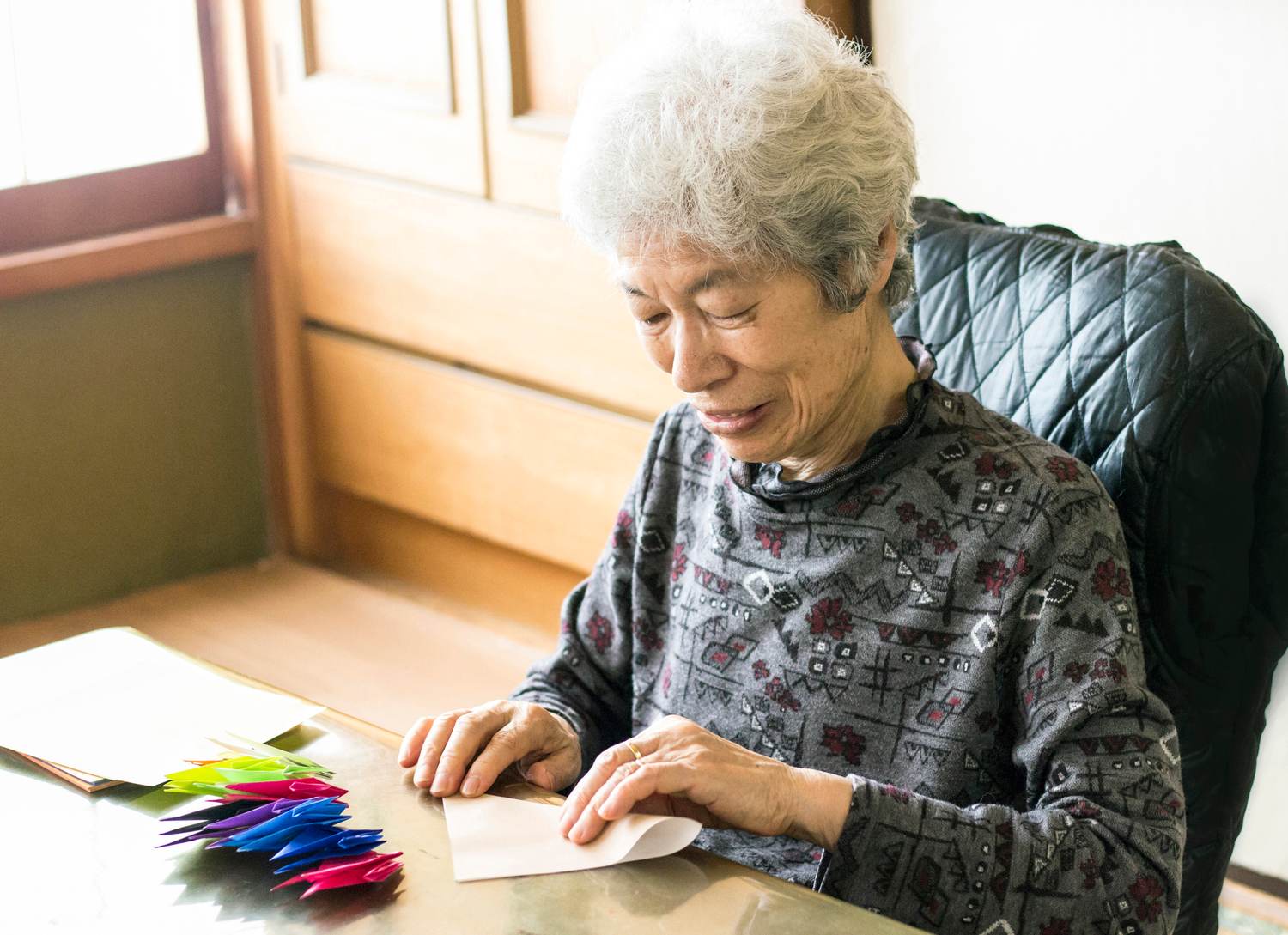
Posluns said simple actions such as brushing our teeth with the opposite hand are good, but studying a new language later in life is even more beneficial. Learning to tango, taking up a musical instrument, learning a new hobby and puzzling are also good ways to rewire our brain.
"Ongoing education is really important, and it's all about moving it from the simple to the complex — and of course the more complex, the better," Posluns said.
If the idea of exercising or learning something new sounds daunting, consider this: According to a 2024 Lancet report, nearly 45% of dementia cases can be avoided through making healthy lifestyle changes.
Start preventive habits sooner
I was shocked to learn that researchers believe that Alzheimer's begins 20 years or more before symptoms arise.
"It's likely that Alzheimer's is a midlife disease whose symptoms show up in old age," Posluns said. "That's key because, if lifestyle plays such an important role, obviously the earlier you engage in healthy lifestyle choices, the stronger the protective effect will be when you're older."
She added that it's never too late or too early to start making choices for optimum brain health.
Resources:






Support Our Mission
Keep Trusted Women’s Health Information Free
Your donation ensures every woman continues to have access to credible health content.
More Stories



Everything you need to know about women’s health — in one place.