
Search
Latest Stories



Newsletter Sign-Up
Newsletter
Article courtesy of Measure Up/Pressure Down®
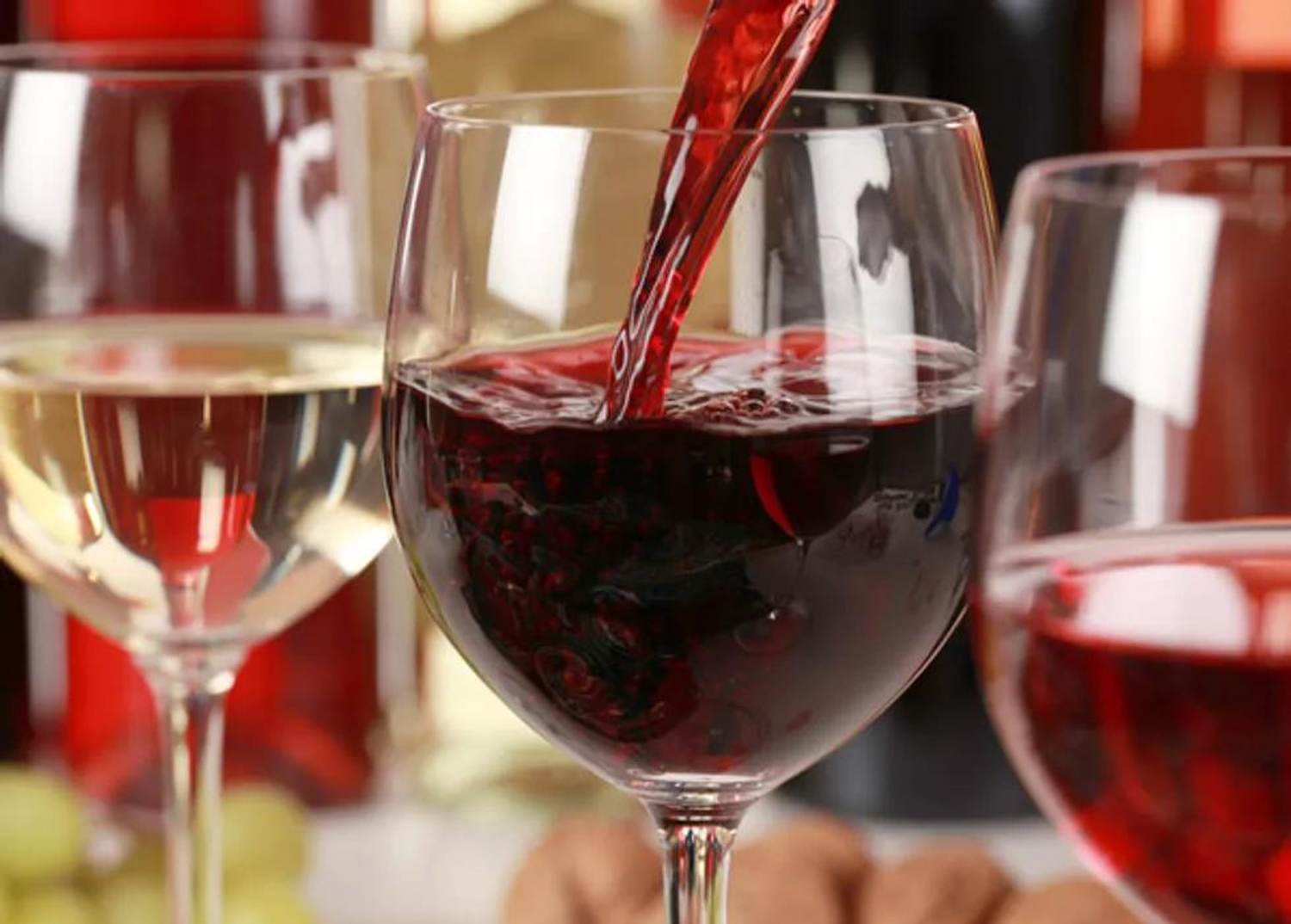
If you're a social drinker and enjoy a glass of wine or beer with dinner and a few drinks when you go out, you may think all is well. But, it's easy to end up drinking more than you intend, and that can have serious consequences for your health, including raising your blood pressure.
It's important to know what is considered a safe, moderate amount of alcohol. For women, keep it to one drink a day; for men, two drinks a day. What's considered a drink? One drink equals:
- A 12-ounce beer
- A 5-ounce glass of wine
- 1.5 ounces of 80-proof liquor
Why do you need to watch your alcohol intake? It can cause many health problems, including these:
- Over time, heavy drinking can damage your heart and raise your blood pressure.
- Alcohol can keep your blood pressure medication from working well.
- Calories in alcohol can cause weight gain—another high blood pressure risk factor.
Cutting Back
If you're trying to curb your alcohol consumption, here are some things to try:
- Drink festive drinks that won't impact your blood pressure, such as nonalcoholic margaritas, mojitos and hurricane punch. Check out the Mayo Clinic's Pinterest recipe board for more ideas.
- If you're at a party or event where alcohol is served for several hours, alternate water with alcoholic drinks, and stop drinking alcohol after a couple of drinks. If you're at a bar or restaurant, switches to iced tea or sparkling water after a drink or two.
- If you're a heavy drinker, reduce alcohol intake slowly, over one to two weeks. If you stop suddenly, you risk developing severe high blood pressure for several days.
Start controlling high blood pressure by making lifestyle changes today.
To your health!
Measure Up/Pressure Down® is a three-year national campaign created by the American Medical Group Foundation to improve blood pressure control. Learn how to lower your risk and manage the disease with our Circulation Nation: Your Roadmap to Managing High Blood Pressure patient booklet.



Popular
1
2
Metabolic Syndrome 101
Sep 28, 2026
3

10 Things You May Not Know About High Blood Pressure
Sep 29, 2026
4

5
Cholesterol
Sep 16, 2009
6
Stroke
Sep 16, 2009
Support Our Mission
Keep Trusted Women’s Health Information Free
Your donation ensures every woman continues to have access to credible health content.More Stories





Everything you need to know about women’s health — in one place.