I Was 'Too Young' to Have Colon Cancer
When I was 29, I was told my symptoms were from pregnancy — but a year later, I was diagnosed with stage 4 colon cancer
When I was 29, I was told my symptoms were from pregnancy — but a year later, I was diagnosed with stage 4 colon cancer
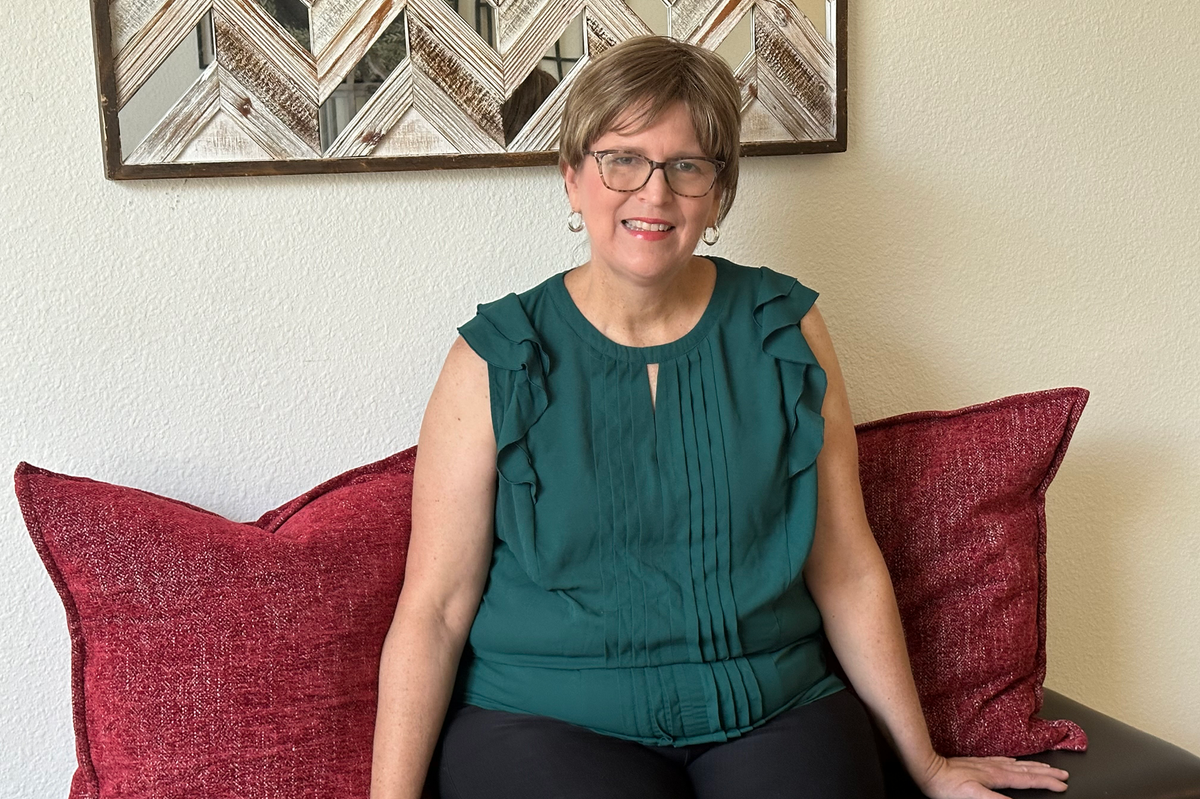
It feels strange to say, but I’m healthier now than I’ve ever been
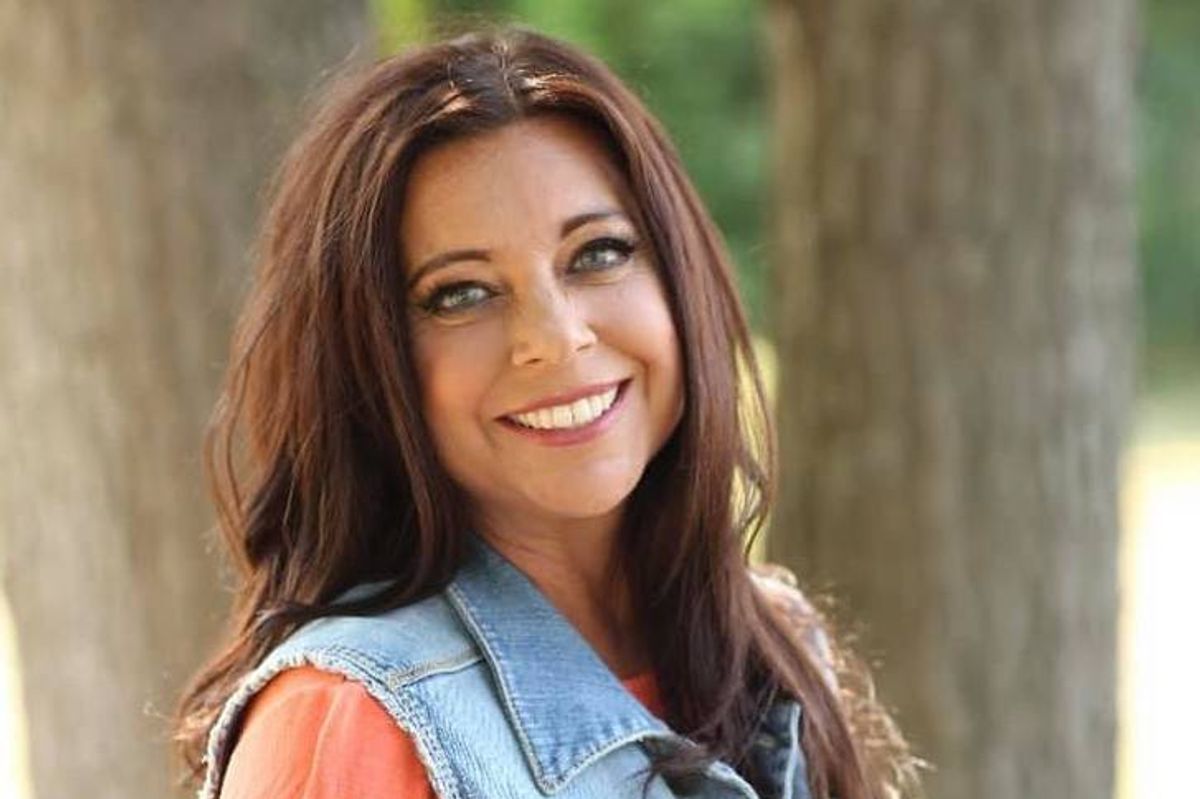
As a colon cancer survivor turned advocate, I see the role luck, self-advocacy and privilege played in my diagnosis and treatment
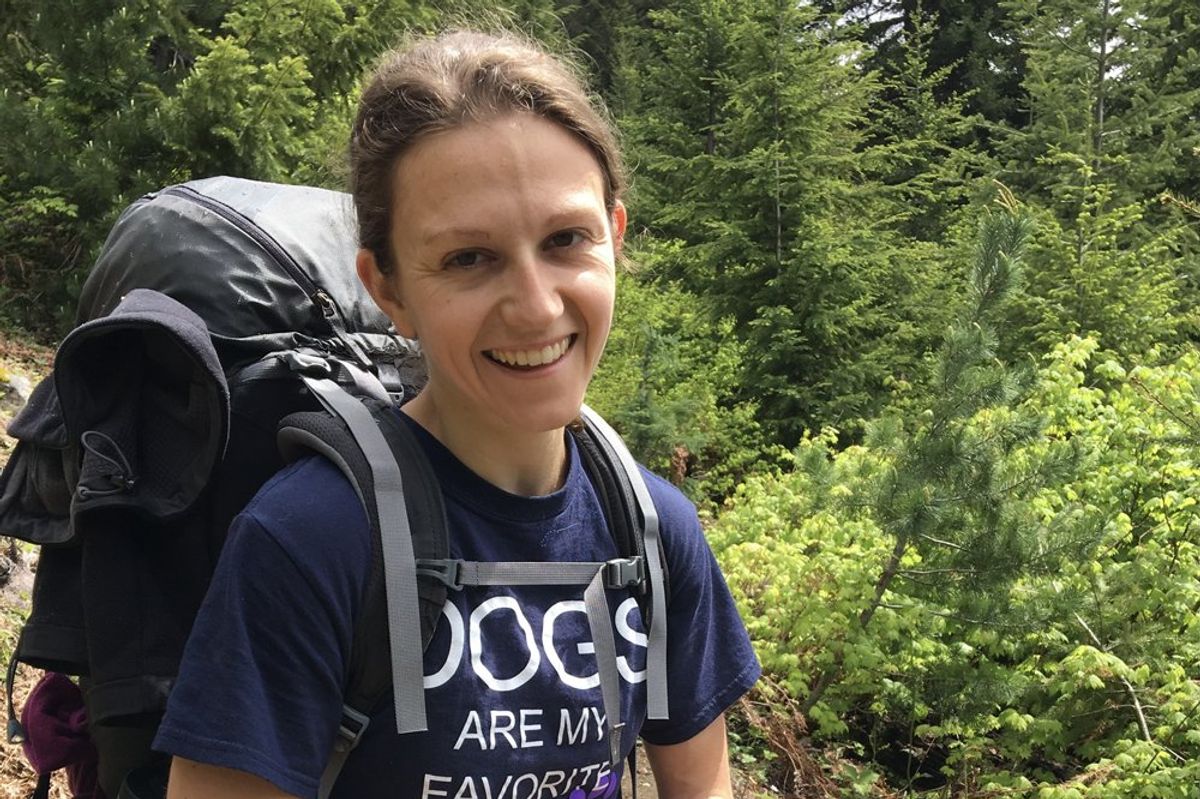
I had to go septic before doctors paid attention
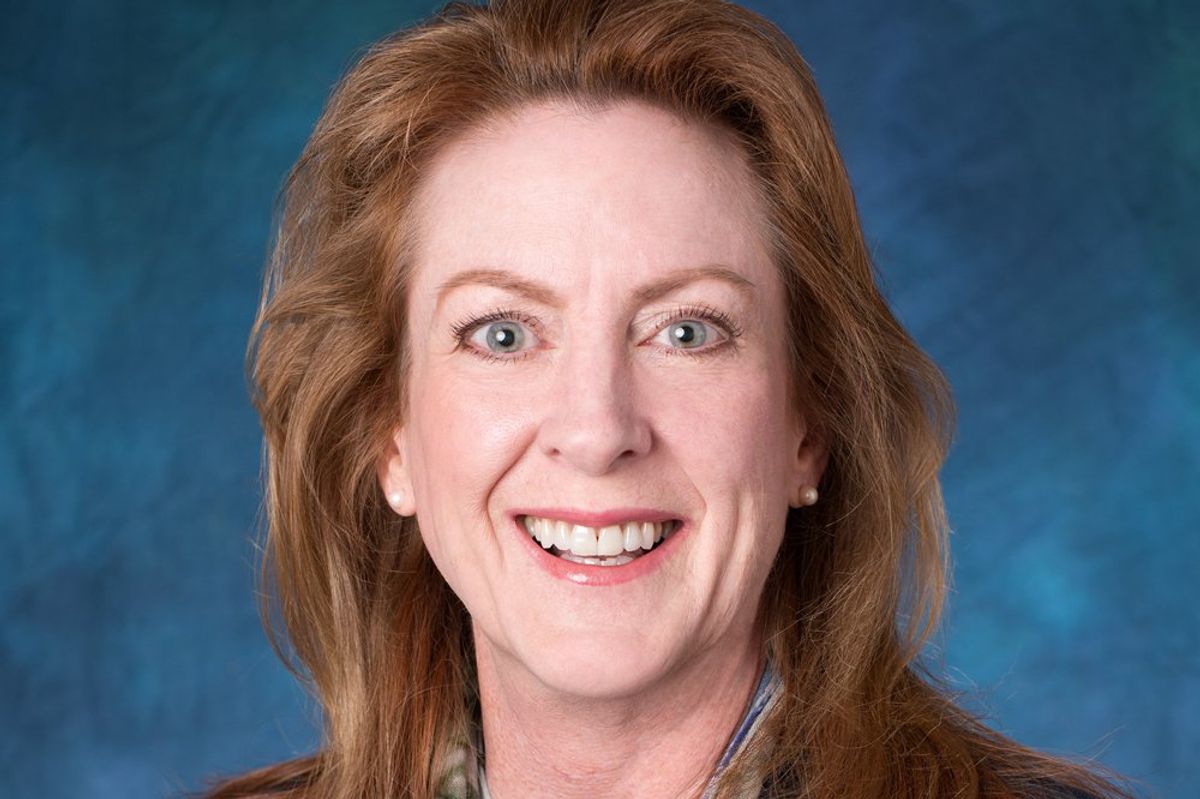
But if you learn what your genetic code is saying, you can choose your response

My cancer diagnosis led me to appreciate the little things — and learn to dance

I never imagined I could get colorectal cancer at such a young age
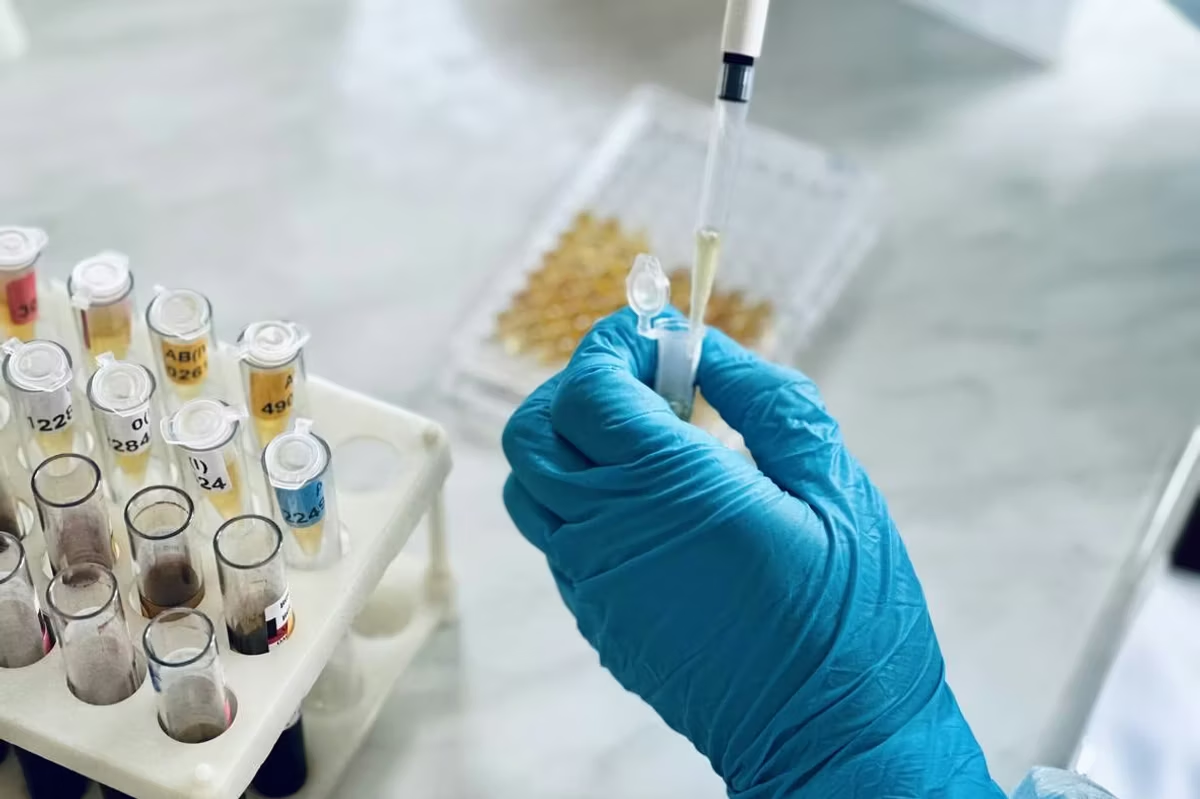
Learn more about what it means to get your tumor tested
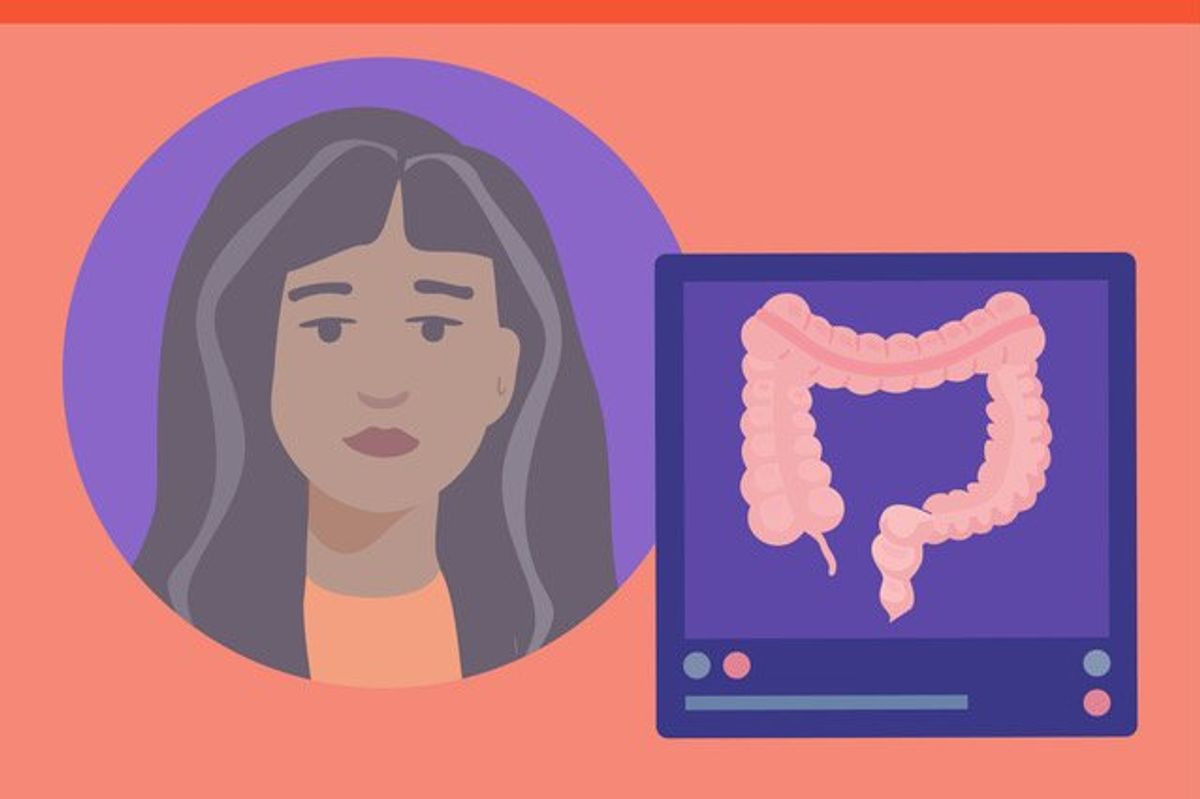
Living with colon cancer may be hard on your mental health, but knowing what to expect may help
Take our quiz to see how much you know about this highly preventable disease
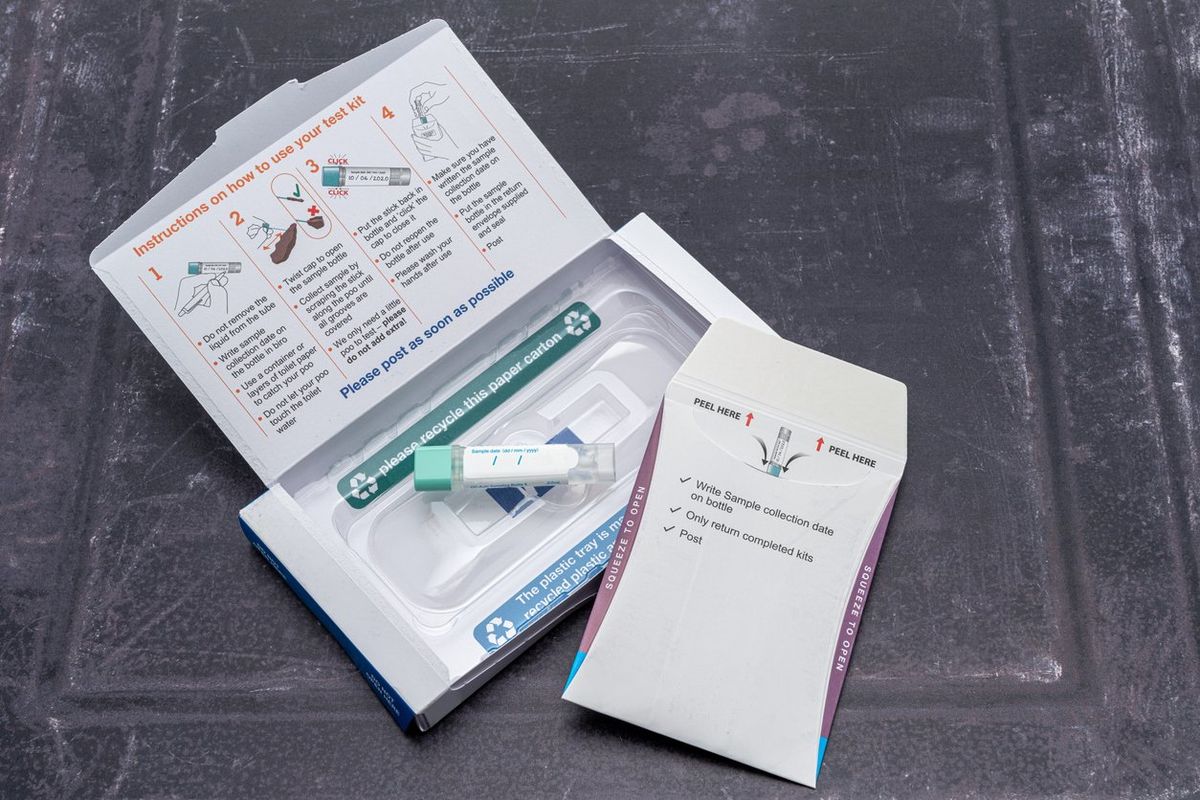
Knowing your colon cancer test options may help you decide which one is right for you
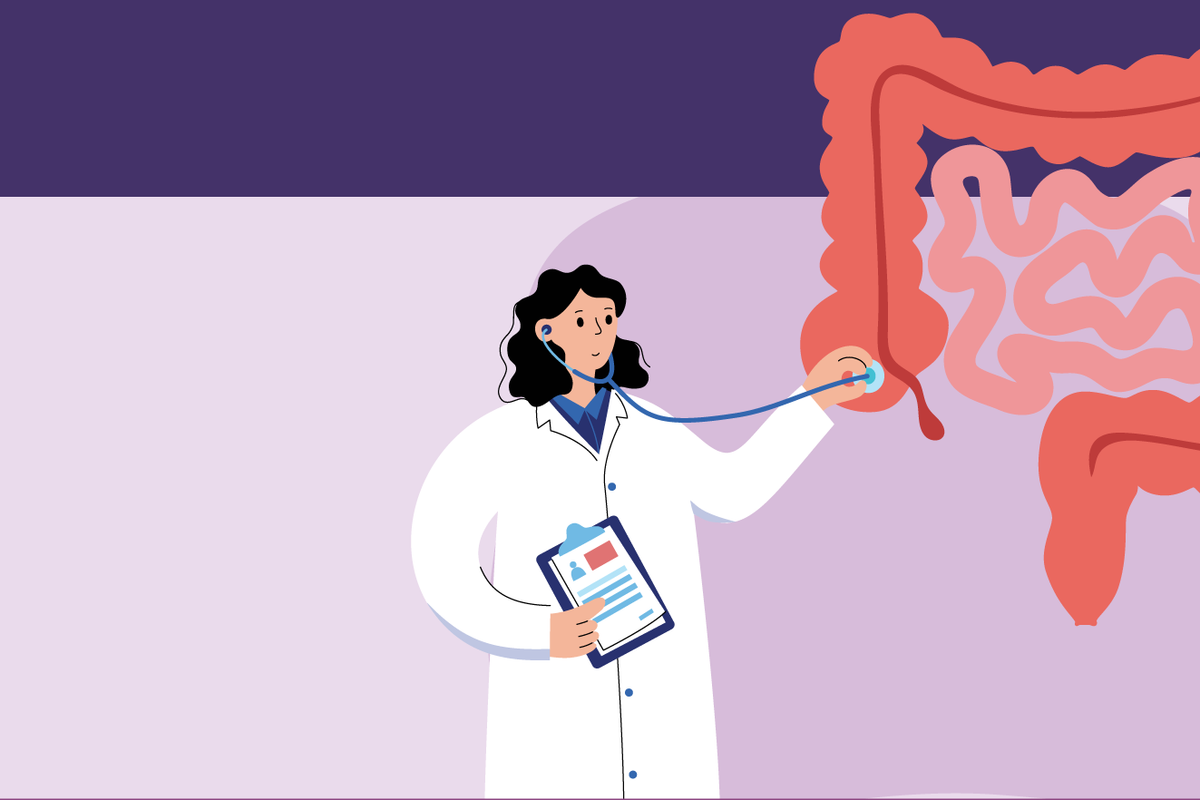
Early diagnosis makes treatment easier, but there are options for every stage.

Black patients could be less likely to get screening referrals that could lower colon cancer mortality rates
What you need to know to get enough fiber in your diet

Here’s a look at why younger adults are being diagnosed with colon cancer and how they can lower their risk

African Americans and Ashkenazi Jews face a higher risk of colorectal cancer. A growing number of young women might also be at risk.

Many colorectal cancer survivors deal with mental health challenges, but the disease doesn’t have to define you

A colorectal cancer diagnosis can be overwhelming. Here’s what to do next.

Learn about what colonoscopies are, when and how to get them, and how they can help prevent colon cancer

Understand the basics of colorectal cancer, who’s at risk and how you can increase your chances of survival if you develop the disease
Colorectal cancer is increasing in people under age 50, so it's important to know the risks and symptoms for colorectal cancer and see your healthcare professional if you have concerns.
Exploring the rise of colorectal cancer in younger adults
Watch this webinar as leading experts discuss symptoms, risk factors and screening guidelines for colon cancer
Fola May, M.D., an associate professor of medicine at the University of California Los Angeles (UCLA) and a gastroenterologist answers questions about colorectal cancer, screening, how to find a provider and more
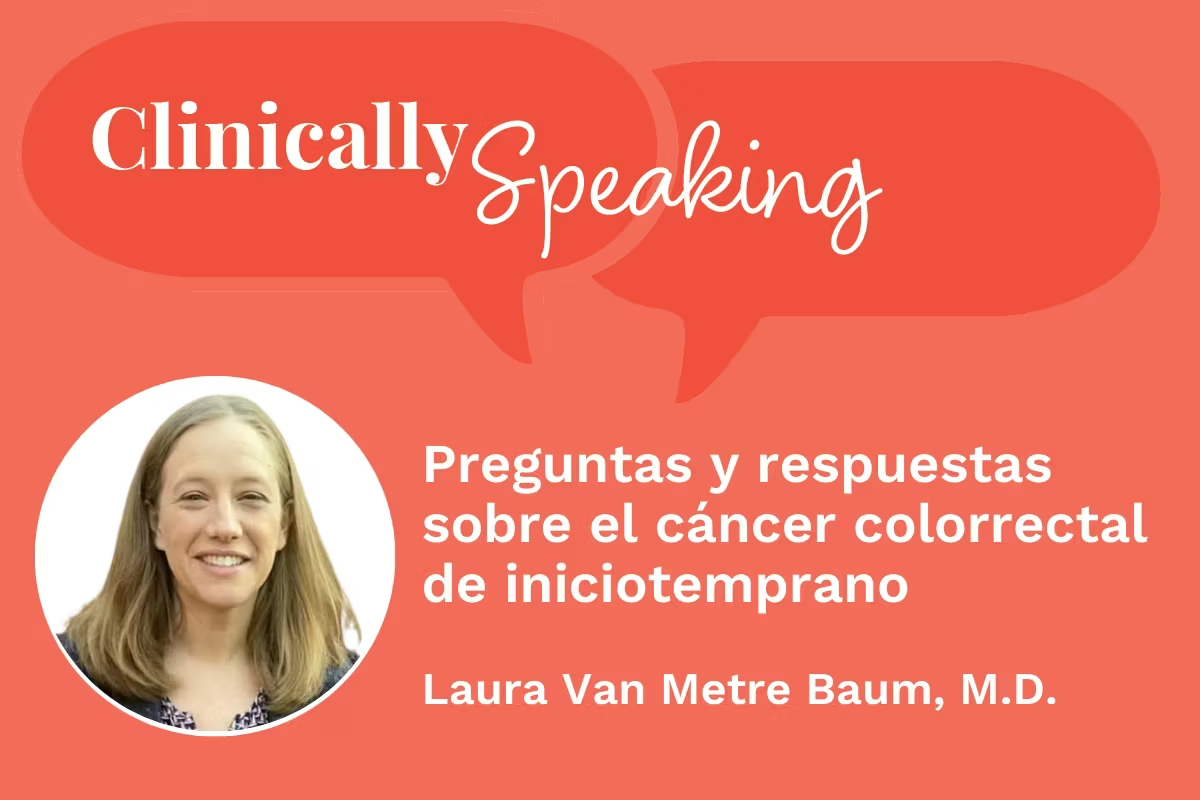
El cáncer colorrectal está apareciendo en personas más jóvenes. Laura Van Metre Baum, M.D., explica lo que puedes hacer para reducir tu riesgo.
Obtén más información acerca de lo que significa hacer que se analice tu tumor
Vivir con cáncer de colon puede ser difícil para tu salud mental, pero saber qué esperar puede ser útil
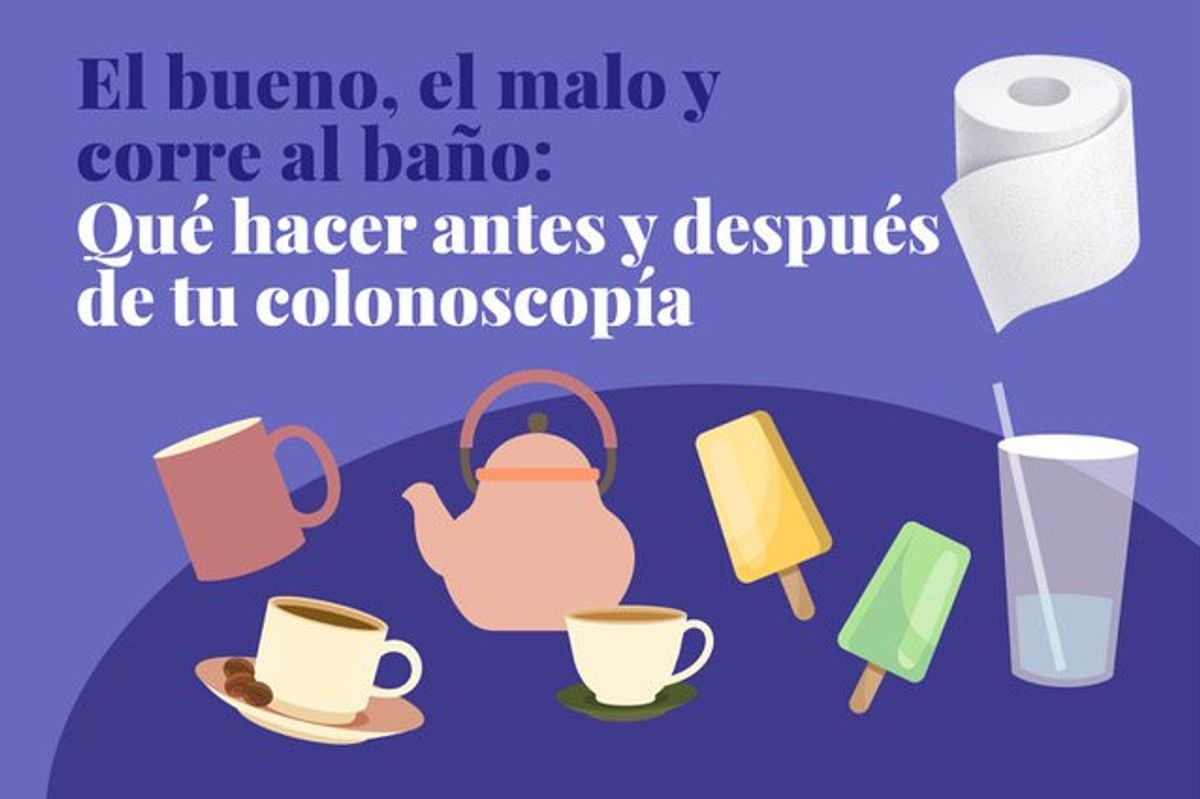
La colonoscopía y la recuperación usualmente son fáciles. ¿El día anterior? Prepárate para una noche memorable en el baño.
Responde nuestro cuestionario y obtén información del cáncer de colon y datos importantes del cáncer colorrectal
Saber qué opciones tienes de pruebas de cáncer de colon podría ser útil para que decidas cuál es la adecuada para ti
Un diagnóstico temprano facilita el tratamiento, pero hay opciones para cada etapa
Cuando tenía 29 años, me dijeron que mis síntomas eran de un embarazo, pero un año después, me diagnosticaron cáncer de colon de etapa 4