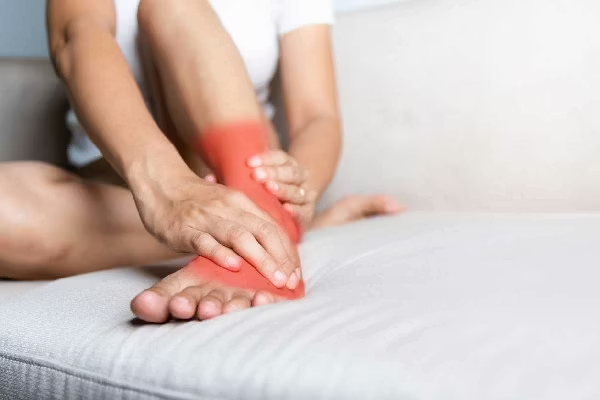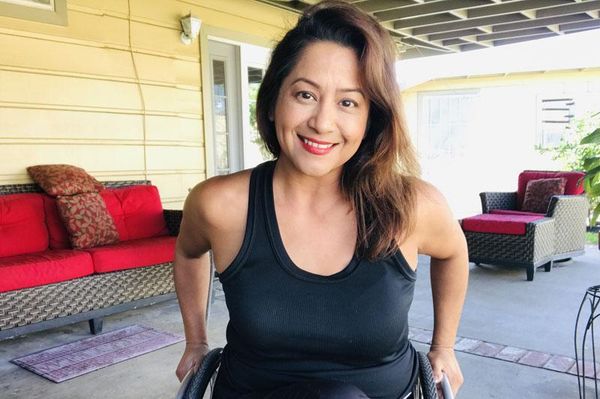
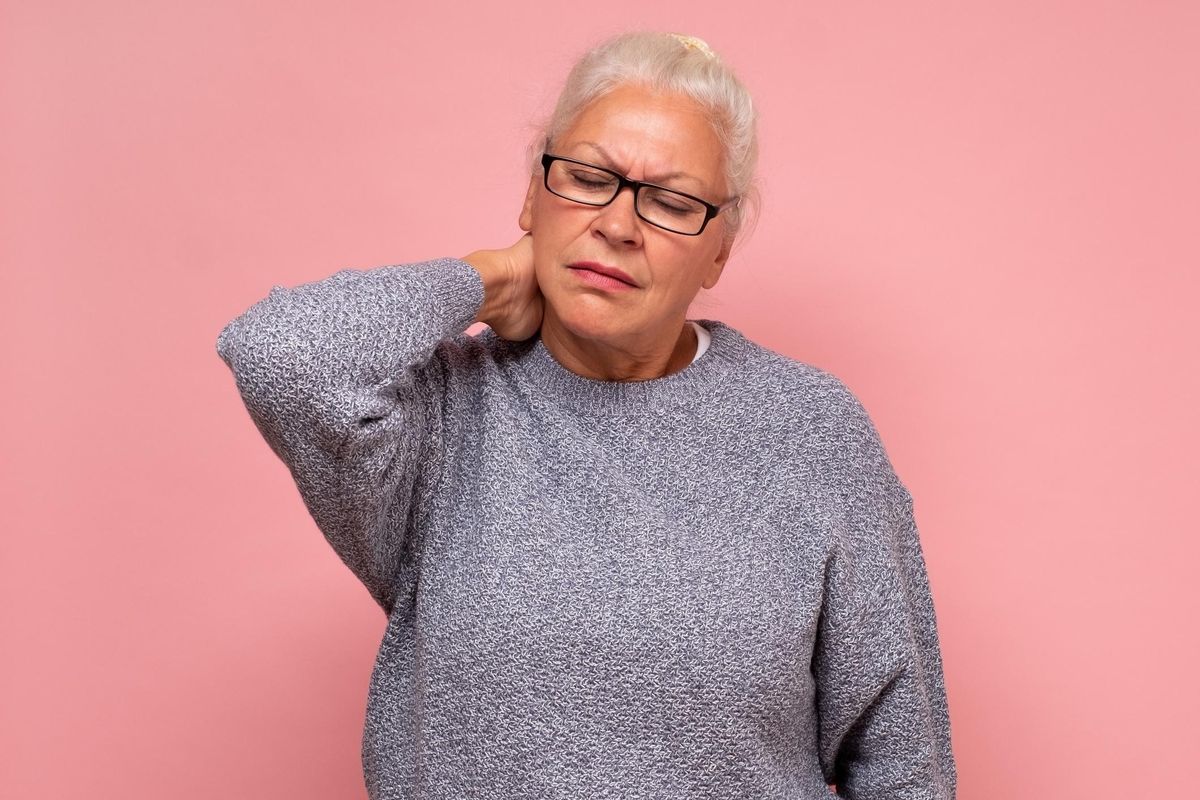
When I'm treating a woman coping with any kind of chronic pain condition, I'm always struck by one thing: How the pain affects her entire life.
It's not just the physical ramifications of pain itself (i.e., you have low back pain so digging in the garden is out), but the way pain and the medication used to treat it saps your energy and strength.
I mention this because I'm about to recommend several lifestyle-related changes that may help with your pain. However, they are not for everyone. For instance, I know several women whose partners keep telling them to just get off the couch and exercise and their pain will disappear. And while it's true that physical activity is an excellent coping mechanism, sometimes the pain is simply too great for this to be an option.
What I don't want is for you to beat yourself up if you find you can't manage some of these recommendations. However, keep in mind that finding the right kind of medication or surgical treatment might be enough to enable you to try. And the combination of approaches-medical and lifestyle-may work better than any single approach for pain relief.
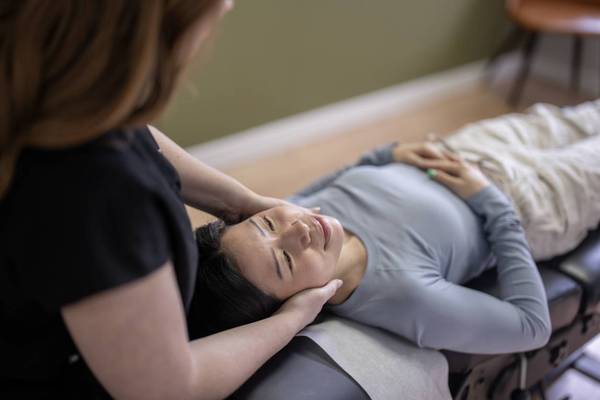
While there are numerous non-medical approaches to treat pain, including complementary medicine therapies like yoga, massage and acupuncture, some basic activities of daily living can also play a role. These include:
Diet. The impact of diet on pain rests on the fact that inflammation is a major cause of pain. So, the theory goes, if you can reduce the production of inflammatory chemicals in the body, you can reduce the pain.
For instance, studies find that certain antioxidants such as glutathione can help tissue recover from inflammation. One study found that supplementing with the nutrient n-acetyl-cystine, a precursor to glutathione, can reduce pain from nerve damage.
Other dietary-related evidence:
- The nutritional supplements glucosamine and chondrotin sulfate can benefit patients with osteoarthritis.
- Dietary soy and tart cherries contain antioxidants that may reduce neuropathic pain. In fact, cherries, which are high in anti-inflammatory anthocyanins, plant-based chemicals that give the fruit its dark red color, have been linked anecdotally to reduction of pain in arthritis and gout, with animals studies showing it can reduce swelling and inflammation in rats.
- Sweet foods (think chocolate) can stimulate the release of pain-relieving endorphins in the brain.
Exercise. For years, we thought bed rest was the ideal treatment for low back pain. Now we know we were wrong. In fact, you're better off staying out of bed if you injure your back or neck. Some studies suggest prolonged bed rest can make things worse by weakening supporting muscles.
Now, I'm not suggesting that you start jogging. Instead, I recommend a slow, steady walk around the block-or to the mailbox, if that's the furthest you can go. One excellent exercise for many joint-related conditions is swimming.
Another benefit of exercise? It might help you lose weight. Since being overweight is one of the most common causes of back pain, weight loss may lead to pain relief.
Sleep. Numerous studies find that sleep disturbance is one of the most prevalent problems in patients with chronic pain. But while you might think that the pain itself prevents you from getting a good night's sleep, some studies suggest that poor sleep makes the pain worse. In fact, one study in healthy men found they grew more sensitive to painful stimuli when deprived of sleep.
So talk to your health care professional about steps you can take to improve your rest. That might mean medication, cognitive behavioral therapy, or even changing your daytime habits (cutting out caffeine, eating lightly in the evening, taking the TV out of your bedroom) to insure a better night's sleep.